

June 2, 2026
Food, beverage, and hospitality issues gain attention in NC legislature
Bill filings look at liquor laws, mandatory sick leave, food price protections, and other topics
by TM Petaccia
North Carolina lawmakers are increasingly turning their attention toward food, beverage, and hospitality policy during the the current spring legislative session, with the introduction of bills directly and indirectly aimed at the industry. The proposed new laws cover labor, public health, environmental policy, and consumer protection.
It’s worth noting that filing a bill is only the beginning of a lengthy legislative process. Most proposed legislation never becomes law, particularly during the short session, when lawmakers typically focus on budget matters and a narrower set of policy priorities. Bills must survive committee hearings, floor votes in both chambers, and ultimately receive the governor’s signature before taking effect.
In some cases, proposed legislation serves another purpose entirely: opening a policy conversation. Proposals that fail to advance this year can reappear in future sessions, be added to other bills, influence regulatory discussions, or help lawmakers gauge support from industry groups, consumers and fellow legislators. As a result, even bills with little chance of passage can provide insight into the issues likely to shape North Carolina’s food and hospitality industries in the years ahead.
Here’s a summary are some of the new legislation recently proposed.
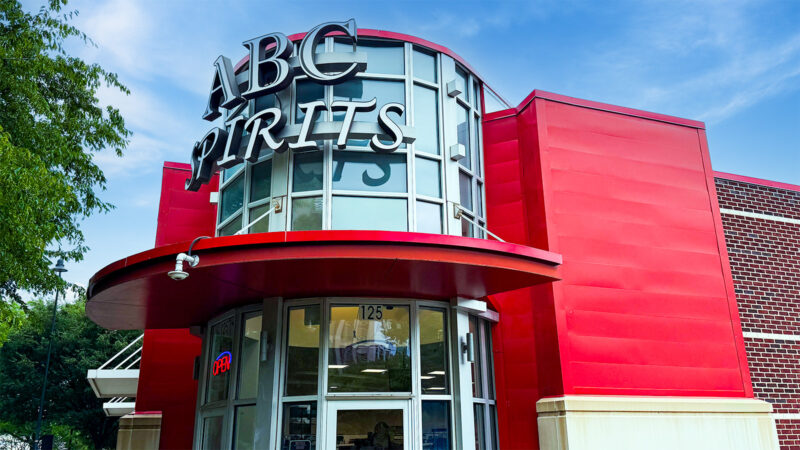
Among the most consequential proposals is Senate Bill 938, “Privatize Spirituous Liquor,” sponsored primarily by Sen. Paul Burgin, a Republican representing District 12 in Harnett, Johnston, and Lee counties. The bill would fundamentally end North Carolina’s longstanding ABC system by transitioning the sale of spirituous liquor from local ABC boards to private retailers.
Supporters argue privatization would modernize North Carolina’s alcohol system and increase consumer choice. Critics warn it could destabilize local government revenues generated through ABC stores. The bill currently remains in the Senate Rules Committee.
A less drastic proposed change to state alcohol regulation is House Bill 921, the “ABC & Gaming Omnibus Bill,” which among other things would allow allow spirit-based ready-to-drink cocktails, such as canned vodka sodas and similar products, to be sold in stores that already sell beer and wine, such as supermarkets, wine shops, and convenience stores. The bill, if enacted, would also allow for happy-hour drink discounting and allow for mobile bar businesses for festivals and private events such as weddings. It would also free up restaurants and bars to purchase spirits from any designated mixed-beverage ABC store in North Carolina rather than being tied to a specific local board, addressing one of the main complaints about local inventory shortages and inconsistent product availability. The bill also provides some tax relief for small breweries and microdistilleries, as well as many other regulatory and policy changes.
One of the initial provisions of HB 921 allowed for Sunday ABC store hours, but that was removed after encountering strong opposition from several lawmakers and advocacy groups. A stripped down version of this bill, House Bill 198, is also making the rounds.
Affecting all small state businesses, including restaurants and bars, is Senate Bill 622, the “Healthy Families & Workplaces/Paid Sick Leave” act, which would require employers to provide paid sick leave accrued at a rate of one hour per 30 hours worked. The bill’s primary sponsors are Sen. DeAndrea Salvador, a Democrat representing Senate District 39 in Mecklenburg County; Sen. Woodson Bradley, a Democrat representing Senate District 42 in Mecklenburg County; Sen. Sophia Chitlik, a Democrat representing Senate District 22 in Durham County.
Supporters argue the bill would improve public health and worker stability, particularly in food-service environments where employees often interact directly with customers while handling food and beverages. Opponents, particularly small-business advocates, argue it could increase labor costs and complicate staffing for independent operators already facing thin profit margins and ongoing workforce shortages.
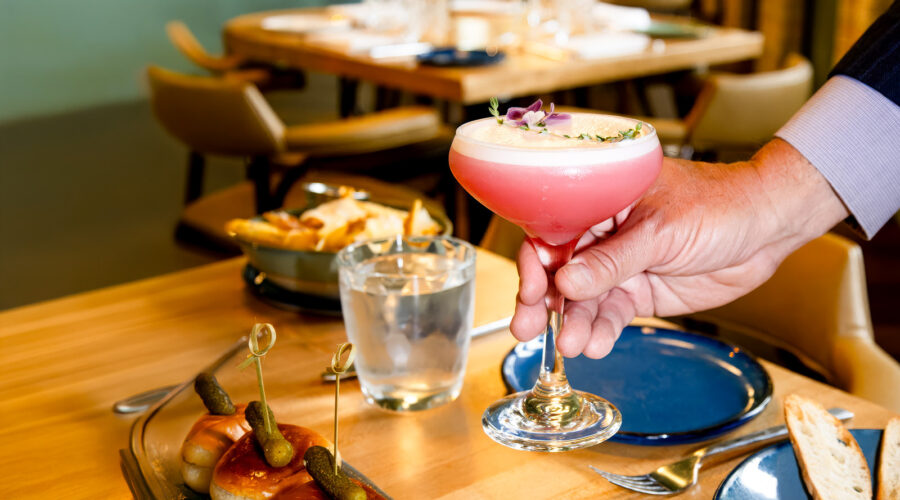
House Bill 1196, “Require Free Water in Bars,” sponsored primarily by Rep. Tracy Clark, a Democrat representing House District 57 in Guilford County, would require bars and other on-premise alcohol permit holders to provide free potable water to customers. Though operationally minor for many businesses already providing free water to its customers, some establishments only have water for sale. The proposal addresses issue surrounding responsible alcohol service, public safety, and intoxication prevention.
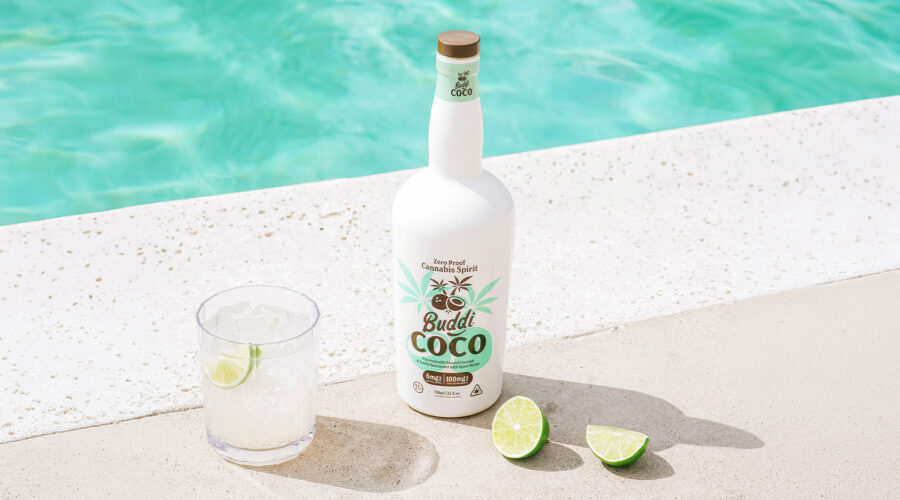
Senate Bill 535, “An Act To Regulate Nonalcoholic Hemp-Derived Beverages,” would establish a regulatory structure for hemp-derived beverages, one of the fastest-growing and least-defined segments of the beverage industry. The bill’s primary sponsors are Sen. Todd Johnson, a Republican representing Senate District 35 in Union County; Sen. Bill Rabon, a Republican representing Senate District 8 in Brunswick, Columbus, and New Hanover counties; and Sen. Benton Sawrey, a Republican representing Senate District 10 in Johnston County. The bill would place hemp beverages under the oversight of the North Carolina ABC Commission, giving regulators authority to establish testing, safety, packaging, and quality-control standards. The legislation would also require retailers selling hemp-derived beverages to operate under permitting structures similar to those used for malt beverages, effectively bringing the products into a more regulated distribution system. Supporters argue the bill would add consumer protections and provide clarity for a rapidly growing industry, while critics worry additional regulation could increase costs and create barriers for smaller producers and retailers. As of now, the bill remains in the Senate Rules Committee.
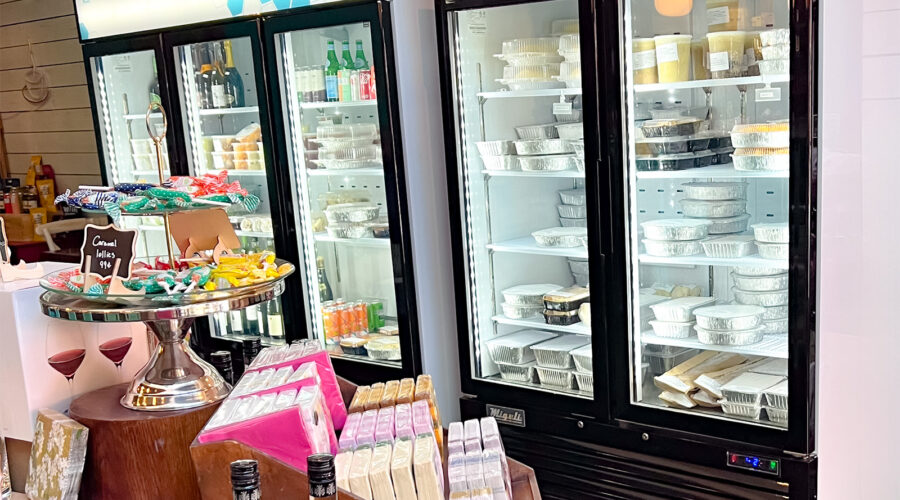
House Bill 1057, the “Affordable Food Act,” seeks to prohibit dynamic pricing through electronic shelf labels in grocery stores. The bill’s primary sponsors include Rep. Sarah Stevens, a Republican representing House District 90 in Surry County; Rep. Allen Chesser, a Republican representing House District 25 in Nash County; and Rep. Jennifer Balkcom, a Republican representing House District 117 in Henderson County. The legislation responds to growing concerns that retailers could eventually implement surge-style pricing systems that fluctuate based on demand, time of day or consumer behavior, such as practiced by ride-share services such as Uber and Lyft. While the technology is not yet widespread in North Carolina grocery stores, lawmakers are looking ahead to prevent algorithm-driven food pricing models from becoming normalized.
There are also several bills addressing environmentally responsible food packaging and proper food labeling as well as a number of farm-related proposals.
For restaurant owners, farmers, breweries, distilleries, and the general public, the outcome of these debates could shape how North Carolina eats, drinks, and does business for years to come.