

July 16, 2026
Proposed N.C. hemp law adds focus to the state’s CBD industry
New law adds age minimums and THC caps to all hemp-derived consumables
by TM Petaccia
While much of North Carolina’s state legislative attention this summer has centered on proposed changes to North Carolina’s alcohol laws, another bill quietly moving through Raleigh may ultimately have a larger impact on what North Carolinians can drink.
At issue are hemp-derived THC beverages, gummies, edibles, and other consumables that exploded in popularity following passage of the Federal 2018 Farm Bill. That legislation legalized hemp products containing less than 0.3% Delta-9 THC by dry weight. While intended primarily to legalize industrial hemp and CBD products, it also created a pathway for intoxicating hemp-derived products including Delta-8 THC, THCA flower, and low-dose THC beverages to enter the market legally.
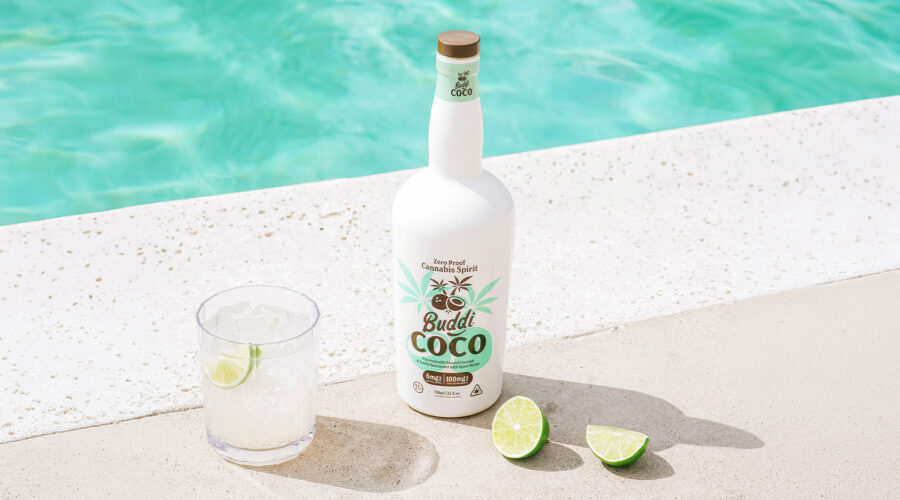
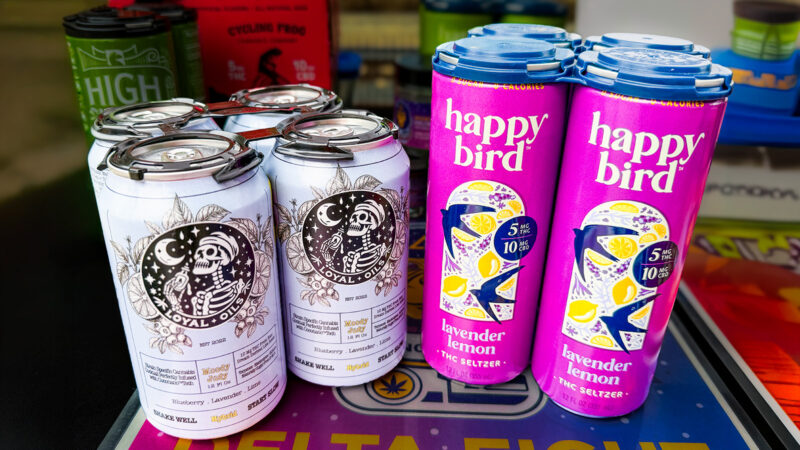
Today, THC seltzers, CBD cocktails, and canned beverages can be found in breweries, bottle shops, bars, restaurants and specialty retailers across the state, including a growing number here in Charlotte.
Late last year, Congress approved new federal hemp standards intended to close what became known as the “hemp loophole.” The proposed federal changes would replace the current Delta-9 measurement with a broader “Total THC” standard that includes Delta-9 THC, THCA and other intoxicating cannabinoids when determining whether a product qualifies as legal hemp.
That looming federal deadline, currently expected to take effect in November, is one reason lawmakers in Raleigh have turned their attention toward House Bill 328, the “Regulate Hemp-Derived Consumables Act.” The current version of the bill reflects the federal guideline of 0.3% by weight of THC concentration, and no more than 10 milligrams per container.
UPDATE: the N.C. Senate passed a “Conference Report” in July that would limit the THC content to 0.4 mg per container, no matter the size of the container, effectively eliminating the sale of hemp-based consumables in North Carolina. The House still needs to ratify the report. Currently, that vote has been delayed until November.
Unlike many of the food and beverage bills being debated this year, HB 328 has attracted support across traditional political lines and the state’s geographic regions. Primary sponsors include unaffiliated Representative Carla Cunningham, whose district covers portions of west Charlotte, along with Republicans Donny Loftis of Gaston County, Donny Lambeth of Winston-Salem, and Larry Potts of Davidson County. The bill’s 27 co-sponsors include 14 Democrats, among them Charlotte Representative Julia Greenfield (District 100). Other local co-sponsors are Republican Tricia Cotham (District 105) and unaffiliated Representative Nasif Majeed (District 99), creating a rare bipartisan — or perhaps tripartisan — coalition around the issue.
Concerns over youth access, inconsistent labeling, and intoxicating products being sold outside traditional alcohol and cannabis regulatory systems have brought together an unusual coalition of lawmakers, public health advocates and law enforcement organizations.
As currently written, HB 328 would impose a statewide statutory minimum age of 21 for the purchase and possession of hemp-derived products. Although age verification is practiced at many producers and retailers, it is currently not required. If enacted, this bill would make the sale of hemp-derived consumables to those under 21 illegal statewide and would, for the first time, create legal penalties for underage possession.
The bill also requires laboratory testing and certificates of analysis, creates stricter labeling and packaging requirements, and prohibit hemp products on school grounds and at school-sponsored events.
Supporters argue those changes are necessary to create meaningful guardrails around an industry that grew rapidly in the absence of state regulation.
Nicole Burnette, owner of Charlotte-based Queen Hemp Company, whose hydroponically grown hemp is used in a number of products, believes much of the industry has already adopted many of the safeguards lawmakers are seeking to impose.
“Most of the growers, farmers that I know label their packages properly, must be 21, have restrictions put in place informally, and are quite honest about what they do and take pride in what they do,” she says.
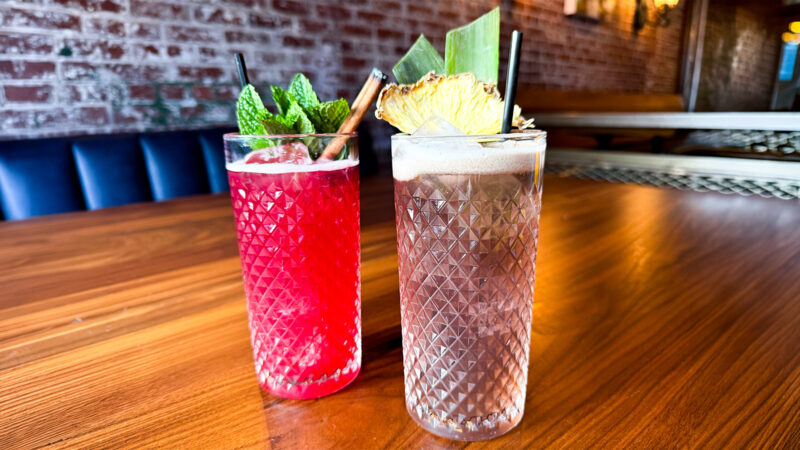
The rise of hemp-based/CBD beverages has particularly been rapid. Hemp-derived beverages have emerged as one of the fastest-growing segments of that business, with analysts projecting U.S. THC beverage sales alone to exceed $1 billion annually and continue growing at double-digit rates over the remainder of the decade.
Analysts attribute much of that growth to changing consumer habits. Younger consumers in particular are drinking less alcohol than previous generations, while many consumers view low-dose THC beverages as occupying a middle ground between traditional alcohol and wellness products.
Henry Schmulling, beverage director of B-Side Group, which includes South End’s Vinyl and The Story of Mi Cariño, has seen the rise of CBD beverages from the beginning.
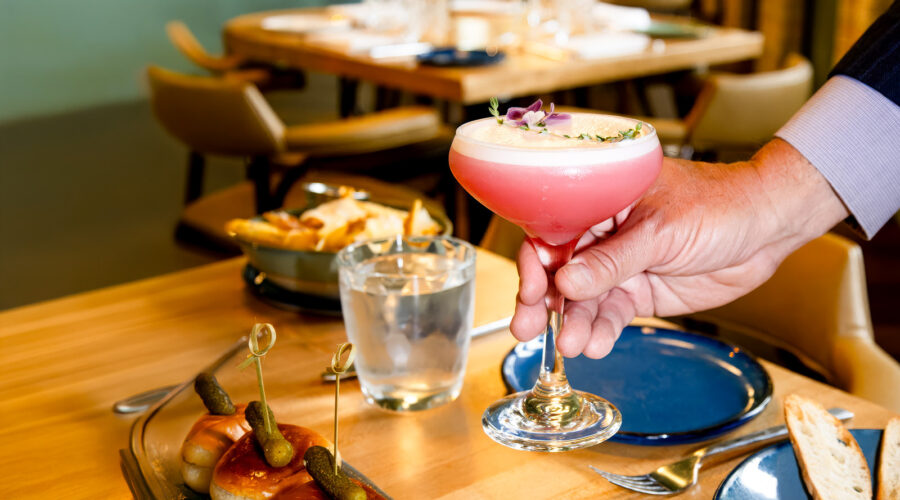
“Over the last few years, hemp-derived beverages have gone from being something guests were curious about to becoming a real part of a modern beverage program,” he says. “People are looking for more options than ever before. Some want a traditional cocktail, some want a spirit-free drink, and others are looking for something in between. Our goal is simply to offer great drinks for every type of guest.
“At Vinyl, we introduced hemp-derived cocktails because we saw the demand firsthand. We build them the same way we build every cocktail—with fresh ingredients, balanced flavors, and an emphasis on quality. The drink has to stand on its own first.”
The Senate approved its version of HB 328 before lawmakers recessed for the summer, and the legislation is expected to move into conference negotiations once the General Assembly returns to Raleigh later this month.
Burnette notes North Carolina is one of the last states without either medical or recreational marijuana legalization, leaving hemp-derived products to fill a niche occupied by regulated cannabis markets elsewhere. “We’re only one of ten states that doesn’t have anything.”