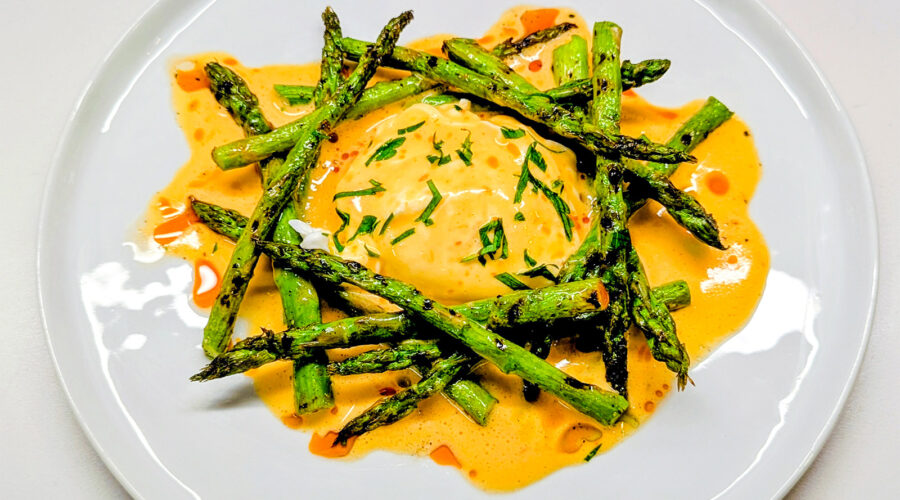
Hidden gem in Charlotte’s Oakhurst neighborhood where the menu is as creative as the food
Hidden gem in Charlotte’s Oakhurst neighborhood where the menu is as creative as the food


The drought and heat are stressing fall crops
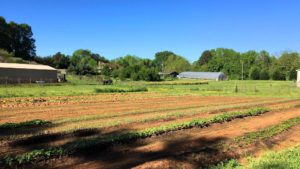
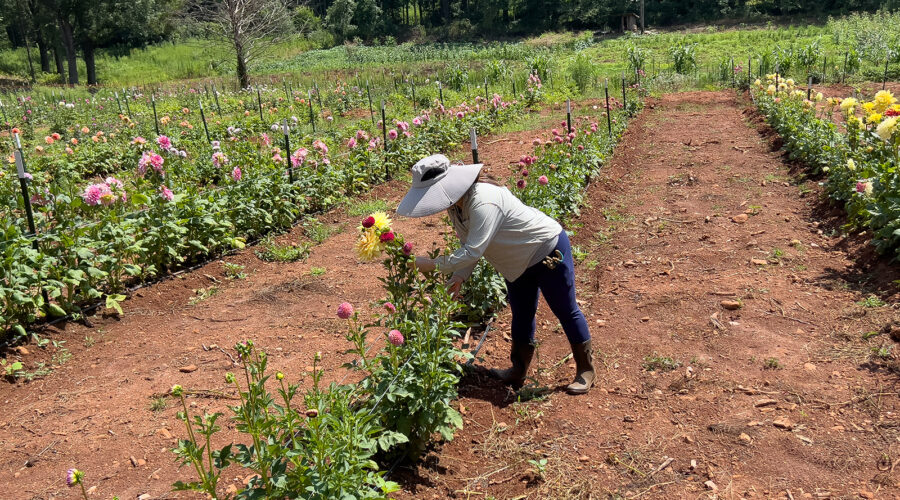
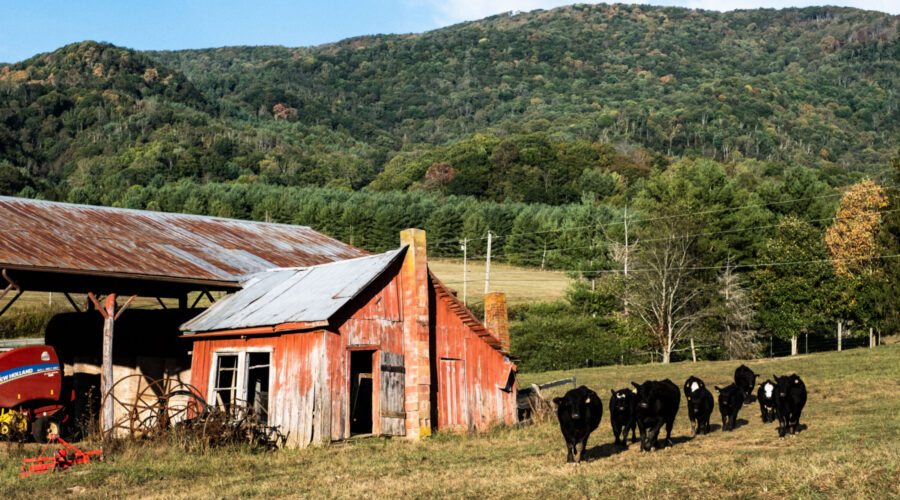
Small City Farm, north of Charlotte. Photo courtesy of Small City Farm.
In his 29 years of farming, owner of New Town Farms Sammy Koenigsberg says he’s never experienced a fall like this. Between the unusual streak of 90-plus degree days and the drought, it’s been a more difficult season than usual to do the already difficult job of producing the food we eat.
“I don’t remember anything like this — this kind of heat and the drought all together, in October even,” Koenigsberg says. “You’ve got to fight for this season anyway because you’re trying to get plants that like cool weather, and you’ve got to get them in during August or it will be too cold for them by the time they fruit, so it’s always sort of a battle. It also comes at a time when you just finished summer and are really beat. But this year, we haven’t done so well to fight this battle. It’s been very difficult.”
Koenigsberg doesn’t have irrigation throughout his farm, making the drought tough to manage. Kim Shaw says the lack of water creates a difficult decision at Small City Farm, the farm she runs with her husband: pay to use enough city water to keep crops alive, or let them wilt. Farmers planted their fall crops months ago, unable to predict that summer would linger into October. Broccoli, collards, and kale are among the crops that are struggling.
“We should be up to our ears in collards and kale right now, and the plants are just not thriving,” she says.
Shaw expects her fall harvest to be much smaller this year. They haven’t been able to seed Japanese greens, such as mizuna, and aren’t sure whether the weather will allow them to.
At New Town Farms, Koenigsberg says conditions are so difficult, 50 percent of his transplants have died. During an average fall season, he loses less than 5 percent. The unusual drought combined with the heat has stressed the plants, making them much more vulnerable to insects.
“When the plants are really really stressed like that, the pests sort of get a foothold, just like when you don’t get a lot of sleep, you’re more vulnerable to certain things,” Koenigsberg says.
It’s not only the plants that are suffering. Shaw says they have some lingering tomatoes and went to pick a few recently, only to find birds were eating the tomatoes for moisture, something that hasn’t happened on the farm yet. Both indicate things have become more difficult in recent seasons, a hint that climate change is disrupting agriculture.
“It’s absolutely crazy the differences that we’re seeing in days of 90 degrees, and just extremes in weather,” Shaw says.
We’ll be praying for rain for our friends in farming. —Kristen Wile