

April 15, 2026
North Carolina is home to the country’s largest caviar producer
Marshallberg Farm makes a luxury ingredient local at Charlotte restaurants
by Michelle Boudin
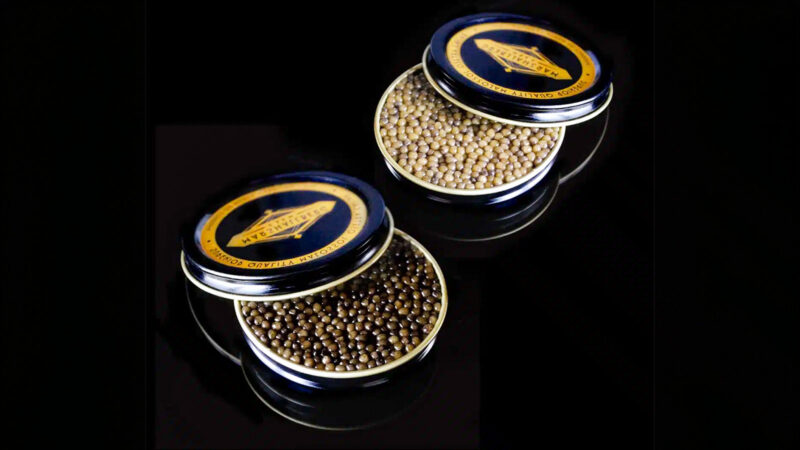
While most of us think of caviar coming from a far-off exotic destination, you might be surprised to learn that some Charlotte restaurants are actually serving caviar that was raised right here in the Tarheel state- just not in the way most caviar is made.
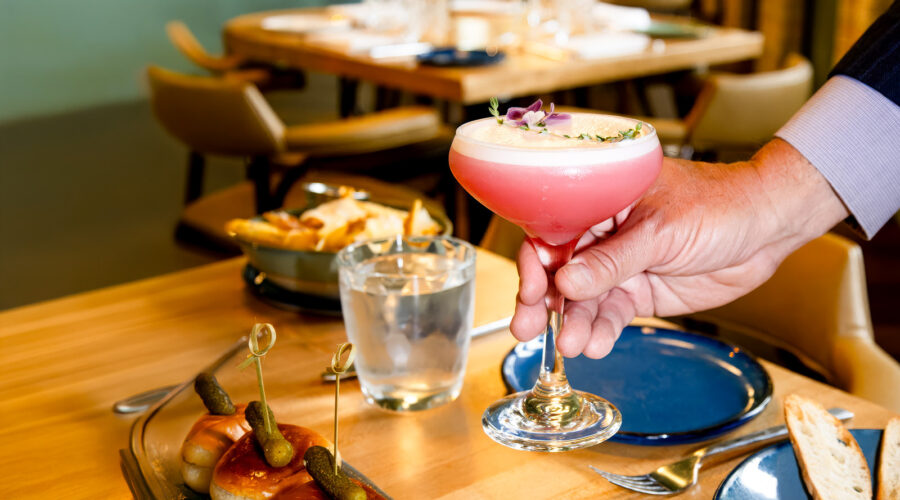
“We’re a caviar and sturgeon farm and we’re raising a specific species of sturgeon using a Recirculating Aquaculture System,” explains Leanne Won-Reburn, the manager at Marshallberg Farm Caviar, which has locations in both Eastern and Western North Carolina. The family-owned and run business is the largest producer of Osetra sturgeon and caviar in North America and is on the menus at Supperland, Lelulia Hall, and Counter-, as well as used for special events by Sea Level N.C. and Petit Philipe.
Eighty percent of the world’s caviar is actually harvested in China and shipped to the US for consumption, adding to the mythology and the scarcity surrounding the industry.
“McDonalds had a caviar kit and it sold out in a couple of days. What would the point of caviar be if it was common?” Won-Reburn says. “You have to wait for the fish to be 10 years old before you can harvest it so it’s not really possible to make it a common thing. Most of it is from mega farms in China and consumers should be aware when a distributor imports a ton of caviar at a time, it’s sitting in storage for two to three years before they open a tub and when it’s stored for that long it definitely degrades. That’s a big thing people don’t get; its not necessarily the type of caviar or where it comes from, it’s how it’s stored and handled. Good caviar doesn’t taste fishy, it should be buttery, nutty.”
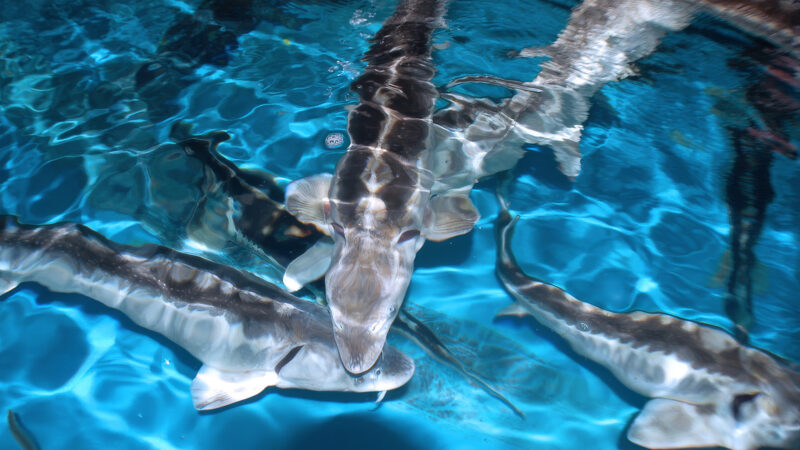
The longtime manager at Marshallberg Farm compares the water system used on the farm to a high-end water treatment plant because they use the highest filtration possible. The resulting process is both the most responsible and the most expensive way to raise fish.
“The RAS method is a very special method in the sense that we aren’t using an outside body of water, we recycle 95 percent of our water and we don’t release any waste into the environment,” Won-Reburn explains.
Won-Reburn’s father started the first of the two farms in Lenoir in 2004. He started the second farm in 2008 near Morehead City when he decided he wanted to live on the coast.
“This was not his main focus in life,” she says, laughing about how he got started in the industry. “He was a geophysics professor at NC State and had a geophysics company until he sold it. He’s one of those people who can’t stop thinking and trying things new and he always really enjoyed seafood and fishing. He’s Korean and fishing has always been an important part of his life and as a scientist and all the talk of seafood being unsustainable, he decided it was an important thing for America to start producing its own seafood. That’s why he started this new system. If you’re farming the seafood, then you’re not killing the population of the ocean.”
She says the reason he started with caviar is because the recirculating system takes seven to ten years before making a profit, making it a more expensive way to harvest fish. The return on caviar made more business sense than raising less expensive fish like tilapia. However, he’s hoping to figure out how to eventually expand his offerings.
“His vision would be to get this type of aqua culture to a point where we can do the more common seafoods that the country is importing from Indonesia. It’s very challenging but once it’s on its feet, it works.”
Support local food journalism in Charlotte.
UNPRETENTIOUS PALATE is a digital publication covering food and drink in Charlotte. At UP, you’ll find ethical food journalism that isn’t based on free meals. We’ll be your taste testers around the city, letting you know where you can’t miss and where to skip. And we’ll ban any condescending food-writer speak. We’ll tell you the dishes we love, where to go on date night, and the best places for cocktails. You can trust us.
Become an Unpretentious Palate member today to dine better in Charlotte.
Not ready to become a paying Member? Sign up for our free newsletter below.