Hidden gem in Charlotte’s Oakhurst neighborhood where the menu is as creative as the food
Hidden gem in Charlotte’s Oakhurst neighborhood where the menu is as creative as the food


The season has begun for this ancient and flexible vegetable
by TM Petaccia
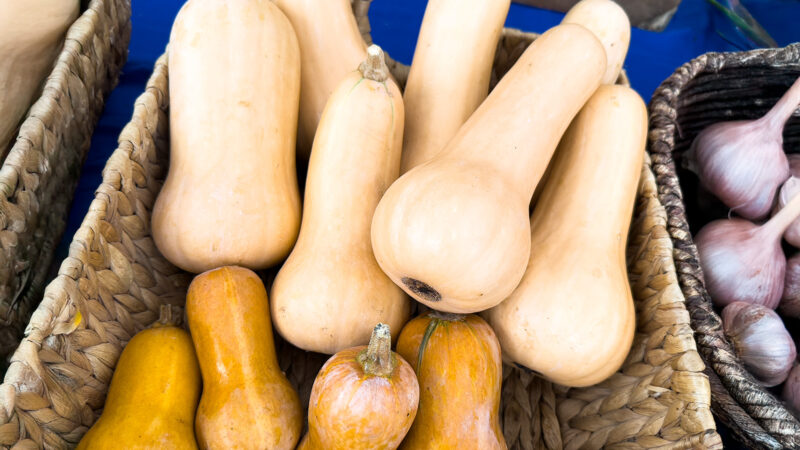
A fall favorite of professional chefs and home cooks alike, butternut squash has started to appear at local farmers markets. Part of the cucurbita moschata species, the origins of this popular vegetable date back 10,000 years in Central and South America, but the form we know today was developed in the 1940s in Massachusetts where its smooth skin, sweet/nutty flavor, and long shelf life made it an instant hit worldwide.
“It’s super malleable,” says Counter- chef/owner Sam Hart. “With the combination of sugar, starch, and savoriness, you can do anything from crudos to stews to desserts. My personal favorite with butternut squash is as a base for a mushroom or cheese stuffed pasta as it brings out the sweetness of the squash but assists in the umami of the mushrooms.”
“I love baking with it,” says L’Ostrica pastry chef Sam Ward. “It’s a nice addition to have variety with fall baking, not everything has to be pumpkin. It gives a different flavor profile while still giving that familiar ‘fall’ taste. It’s great for quick breads, custard, and cheesecakes. It also makes beautiful breads like focaccia and sourdough. It also pairs nicely with cheese and herbs.”
Most farmers grow it because it’s one of most dependable vegetables to grow. The vines produce reliable yields, and unlike fussier relatives, they resist many common pests and diseases.
As a nutritional powerhouse, butternut squash is packed with Vitamins A and C, a good dose of potassium and magnesium, plus antioxidants like beta-carotene and lutein.
It also works for a variety of special needs diets. “I’m actually allergic to pumpkin, so I like to use it as a replacement for that,” says Becca Rankin, chef/owner of Tart. “I’ve also found that if you purée it, a couple tablespoons work well for an egg substitute in quick breads. It’s not as dense as pumpkin, so it lends to a fluffier texture and all the autumnal spices still pair perfectly with it.”
When buying butternut squash, look for a uniform matte skin with the stem attached and no green streaks. The rind should be hard and free of deep blemishes. A squash that feels heavy for its size signals dense, sweet flesh. Also, if buying at a farmers market, ask the farmer if the squash has been “cured.” Many farmers will place squash sit in a warm, dry place for about ten days after harvest which hardens the skin and improves storage life as well as improves its sweetness.
The best way to store butternut squash is in a cool, dark, well-ventilated space, ideally around 50-60ºF. They can keep for months this way. Most basements meet this requirement, however, since most residences don’t have basements, nor old-fashioned root cellars, you can keep a whole butternut squash at normal room temperature (65–70°F) for 2–3 weeks just fine. Note: Do not store fresh butternut squash in your refrigerator. Anything below 50°F can cause “chilling injury,” which leads to quicker softening, wrinkling, and decay.
Many home cooks shy away from butternut because it can be a challenging vegetable to prep. Its hard skin can make it a bit difficult to peel. Often, you can just split the squash in half, remove the seeds, and roast it on a 375ºF oven for about an hour (start checking after 50 minutes). Then you can prep your recipe from there. If your recipe calls to peeled squash (for cubes, etc.), a good tip is to microwave the whole squash for 2–3 minutes to loosen the skin, then use a vegetable peeler (a Y-shaped one if you have it).
Over the years, these butternut squash recipes have appeared on Unpretentious Palate:
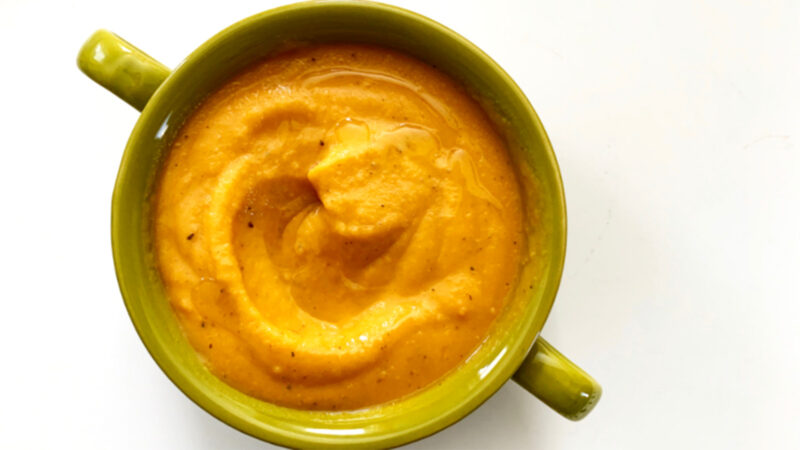
Roasted Butternut Squash Soup
Butternut Squash Penne with Chicken
Vegan Braised Butternut Short Ribs
No matter how you slice it, roast it, or bake it, butternut squash brings natural sweetness, hearty nourishment, and a touch of seasonal comfort to every table.