

January 24, 2020
How Something Classic donated 15,000 meals in one month
Mother Earth Group has been donating meals for years
When Mother Earth Group, the parent company of Something Classic Cafe and Catering, Halycon, and Fern, first started donating meals left over from catering events to non-profit InnerVision, the meals were met with mixed reviews. The “clients,” as the non-profit’s founder and CEO Dr. Cheryl Nicholas calls those who use InnerVision’s resources to gain employment and work on mental health issues, were used to eating heavily processed, salty foods. After about three months, however, they began to appreciate fresh, home-cooked meals and salads. So much so, in fact, that they built a garden in the nonprofit’s residences off of McDowell Avenue.
“That made me cry,” says Something Classic president Jill Marcus.
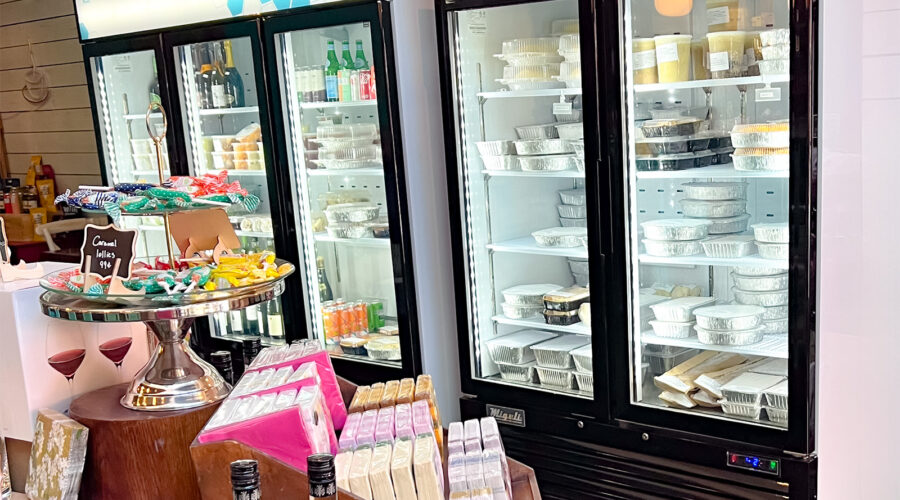
In December alone, the company donated 14,592 meals. The holiday season is a busy one, and Something Classic catered about 15,000 meals, with more than half of what was given to InnerVision coming from those events. The companies and clients that purchase catered meals are given the option to take leftovers or donate the food. Most, Marcus says, choose to donate. Extra products in the restaurants are donated, too. InnerVision picks up the food twice a week, and the responsibilities of keeping the program up and running is split amongst the company’s leadership.
Their donations have steadily increased over the years, and are appreciated even more in the months following the giving holiday season, when donations tend to slow. Marcus says Mother Earth Group will keep donating as much as they can, as there is always a need in Charlotte. According to the Second Harvest Food Bank of Metrolina, 13.4 percent of the population in Mecklenburg County lives below the poverty line, and 18.4 percent of children in the county live in poverty.
“Hopefully, other people will catch on,” she says. “I don’t mind if other restaurants do this; I don’t need to own that piece. We want more people to donate. We do have more need in Charlotte than we see because it’s hidden. If you talk to teachers in school, they’ll tell you there’s people here, this may be the only meal that certain kids during school may have.”
Before they started donating regularly, Marcus says that leftovers were donated to various shelters, or employees would take it home.
“In all honesty prior to that, we just weren’t mindful of what was happening to that waste,” she says.
Marcus says the next step in 1.2.1 Stone Soup Kitchen is to find a partner who can help get food in the hands of those who need it, but may not have a way to pick it up — or even heat it up. The difficulty in donating, she says, is that they’re not always aware of which communities are in need, and how to get the food to them.
“There’s a lot of need for individual things or for families, so we’re looking for a few more partners to help us distribute the food,” she says. “It’s one thing to make it, but the distribution part of it is a challenge, to get them to the right people that need it, because everybody isn’t at the men’s shelter.”
Compiling the number of meals they send to those in need is a way to help show the consumers that they’re not only buying food for themselves, but helping to support the community, as well as get the message out there that with a little extra effort, restaurants and caterers can help provide meals for those in need.
“If we can just be a little part of it and create more awareness, we’ve accomplished what we set out to do,” she says. —Kristen Wile