


August 25, 2026
Behind the seasonal menu: Customshop’s menu is never really finished
How chef/owner Andres Kaifer keeps dishes evolving
by Ebony L. Morman
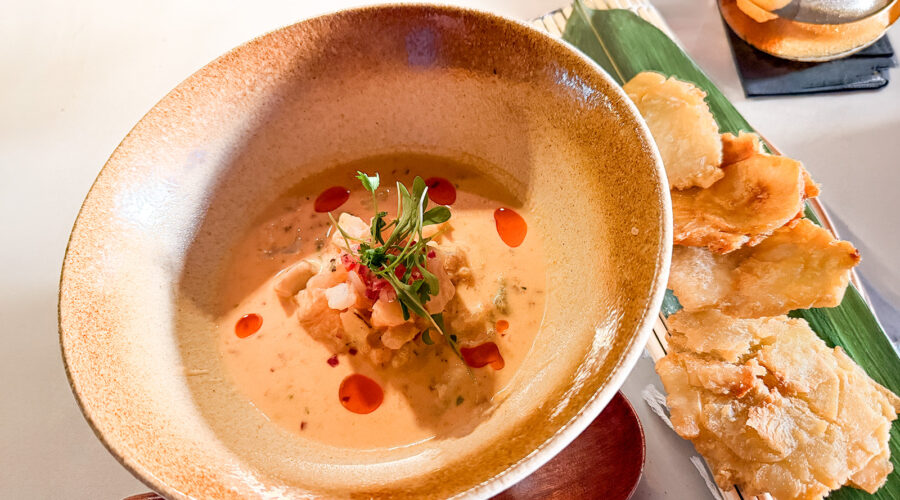
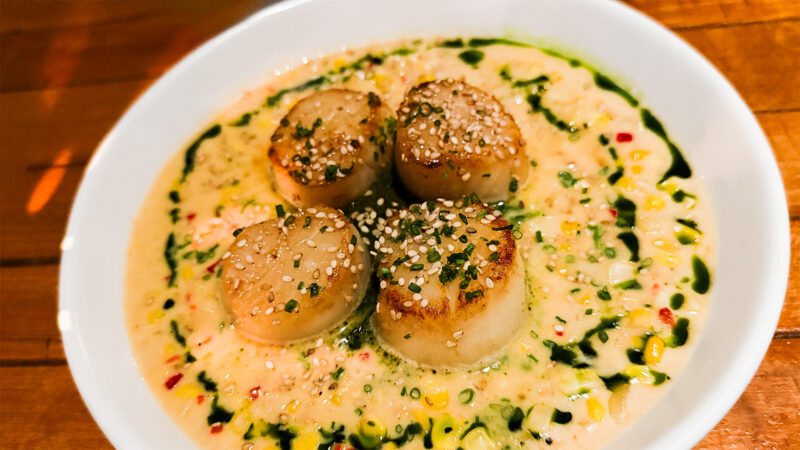
The scallops at Customshop started the summer as a crudo. Then corn came into season, and chef and co-owner Andres Kaifer changed the dish, searing the scallops and serving them over creamed corn instead.
Changes like that happen regularly at Customshop. Kaifer and chef de cuisine Matt Moore tweak the menu weekly, with about six larger shifts throughout the year as farms move through growing seasons and different ingredients reach their peak.
“We don’t do massive menu rollouts throughout the year, which means we don’t have to have certain commitments on certain products,” Kaifer says. “So we just change accordingly.”
Kaifer rarely starts with a finished dish in mind. Instead, he looks to local farmers for what they have available and lets those ingredients help shape what he and his team create.
He grew up in Miami surrounded by Spanish and Cuban food, with a mother he describes as an incredible cook. Food shaped daily life in his family, and those early influences continue to inform how he cooks. After attending the Culinary Institute of America in New York, he returned to Miami, where he worked in and opened several restaurants. He later moved to North Carolina and eventually arrived in Charlotte at the beginning of the pandemic. In May 2022, Kaifer, his father, and two lifelong friends purchased Customshop.
North Carolina gave Kaifer access to something he hadn’t experienced growing up in Miami: an abundance of nearby farms. He now uses ingredients grown here to draw on the food and flavors that shaped him, sometimes reinterpreting something he grew up eating in Miami with North Carolina produce.
Kaifer talks with Joe Rohrer of Boy & Girl Farm weekly about what’s available, what’s running low, and what the farm plans to grow next. Before committing an ingredient to the menu, he also asks how long Rohrer expects to have it because he generally wants enough supply to keep a dish available for at least four weeks. The conversations aren’t limited to what Kaifer needs. He also asks Rohrer what the farm expects to have in abundance and whether there’s anything Customshop can help use.
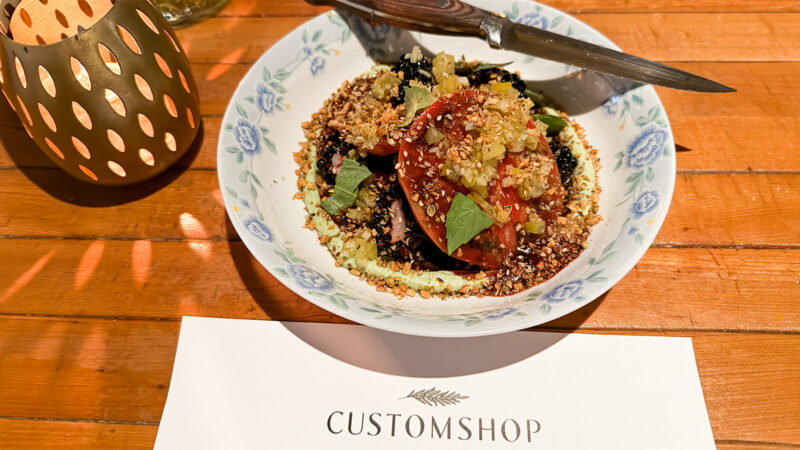
On the current summer menu, an heirloom tomato dish shows what Kaifer’s ingredient-first cooking looks like on the plate. He sources the North Carolina tomatoes, blueberries, blackberries, and basil from Simpson’s Produce, about five minutes from the restaurant on Kings Drive. The kitchen turns the blackberries into a dressing and folds fresh tarragon puree into ricotta before whipping it into a base for the dish. Kaifer keeps the rest relatively simple, seasoning the tomatoes and finishing them with fresh basil, blueberries, and a housemade spice crunch.
“We try not to overcomplicate the ingredients and just focus on sourcing and using the ingredients when they are at their peak,” he says.
Once an ingredient catches their attention, Kaifer and Moore start talking through what they could do with it. They trade ideas until those ideas begin to form a dish, then move into the kitchen to see whether what they imagined actually works.
The chefs taste each component before putting the full dish together. Plating becomes part of the development process, too. Kaifer arranges dishes so guests can get a little of each component in a bite rather than encountering the elements separately.
The testing can continue after the dish leaves the kitchen. Kaifer may serve it to the staff during lineup or run it as a special to hear what guests think. Even after a dish earns a place on the menu, he doesn’t necessarily consider it finished.
A dish might stay on Customshop’s menu for six to eight weeks and change as many as 10 times during that stretch. Kaifer and his team continue making adjustments as they work with it day after day.
“It just evolves,” he says.
Sometimes the season forces those changes. Weather can affect what farmers have available, leaving him and his team to pivot to other ingredients when something they planned to use becomes unavailable. He also makes room for change from one year to the next. Tomatoes and corn will find their way onto the summer menu each year, but he doesn’t feel obligated to serve them the same way simply because a previous dish worked.
Returning to familiar ingredients gives him another opportunity to create something new, he says. Repeating the same dishes would keep him from pushing himself creatively.
“I’d feel like I’m not progressing as a chef or challenging myself to be better by creating something new with the same ingredients,” Kaifer says.
Summer gives Kaifer plenty to work with. Farmers’ availability lists grow during the season, and the abundance of produce makes it his favorite time of year to cook. He isn’t eager to give up the peaches, tomatoes, and blackberries that come with it.
“I never want to leave summer behind,” Kaifer says. “But I am excited to use different ingredients, though.”
Fall brings its own possibilities. Kaifer looks forward to the return of root vegetables and squash, particularly kabocha and delicata. After spending months immersed in one season, he can almost forget about the ingredients that disappeared until conversations with farmers remind him they’re coming back, he says.
Those conversations will soon begin shaping Customshop’s fall menu. Kaifer typically works about four weeks ahead of larger menu changes, and as summer winds down, he and Moore will start talking through what farmers expect to have available and what they might want to do with it.
Kaifer already expects delicata squash to find a place on the menu. He has served it simply roasted in the past and imagines pairing it with a sauce and a relish. Still, he hasn’t settled on what the next version will look like. And even when he does, it may not stay that way for long.