


October 6, 2026
The 18-farm network behind The Butler’s Pantry
Andrew King strives to keep his offerings as local as possible
by Ebony L. Morman
Five vegetables had to come together before The Butler’s Pantry could make one of its first moves into fall.
Owner Andrew King wanted to replace the shop’s grilled summer vegetables with roasted root vegetables: turnips, potatoes, sweet potatoes, onions, and carrots. But he didn’t want to fill in what local farms couldn’t provide with produce from a national supplier.
“We want it all to be local for dishes like that,” King says.
So the kitchen waited until local farms could supply all five at the same time. Once they could, The Butler’s Pantry made the seasonal switch, roasting the vegetables simply with olive oil, butter, thyme, and salt.
The timing behind that one side dish offers a glimpse into how The Butler’s Pantry works with its network of 18 farms and producers across the Carolinas. What makes it into the kitchen depends partly on what growers have available, when it reaches the quality King wants, and whether the kitchen can get enough of it to make a dish work.
King’s interest in keeping local producers in the mix predates The Butler’s Pantry. He studied horticultural science at NC State and spent summers on his grandmother’s farm in Mississippi, where his family grew corn and sugar cane, milled their own cornmeal, and made cane syrup.
After his grandmother died, King discovered she hadn’t written down any of her recipes. He spent several weeks in Mississippi cooking with eight of his aunts, recreating dishes until they agreed they had gotten them tasting accurate enough to write down. The project also drew King’s attention to the ingredients behind those recipes. Cane syrup, for example, had become harder to find, with fewer producers still making it.
“I thought, ‘If we don’t find a way to create markets for these products, they will no longer be made,’” King says. “And then you simply will not be able to make some of the foods that I grew up on.”
After returning to Charlotte, he started a catering company and eventually cooked for as many as 1,500 people a day. Years later, he began thinking about a different business model for chef-created food, one that customers could make part of their regular grocery shopping.
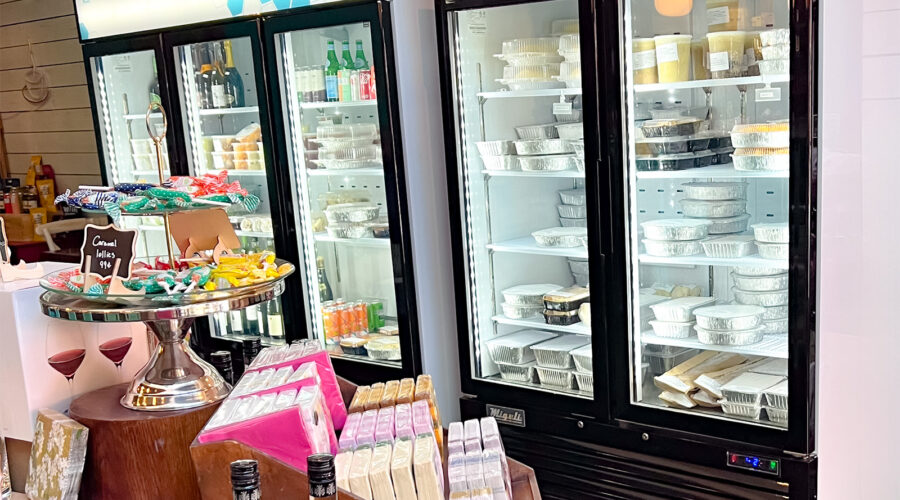
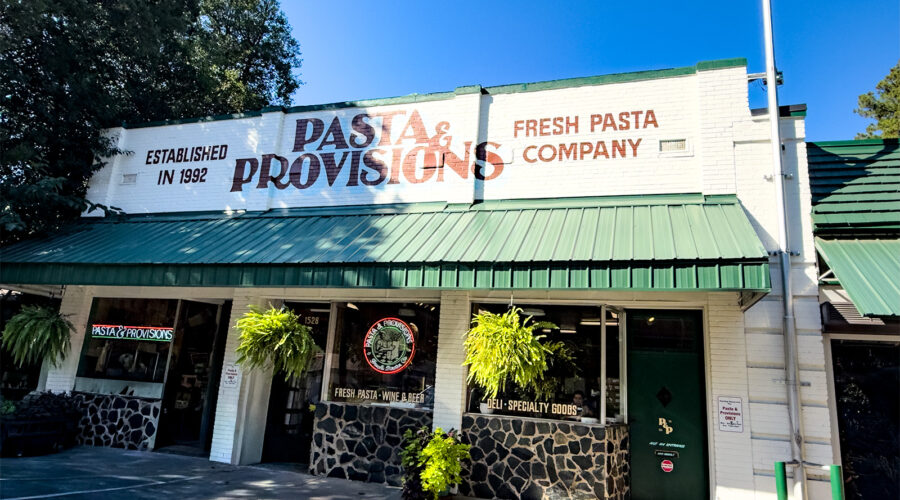
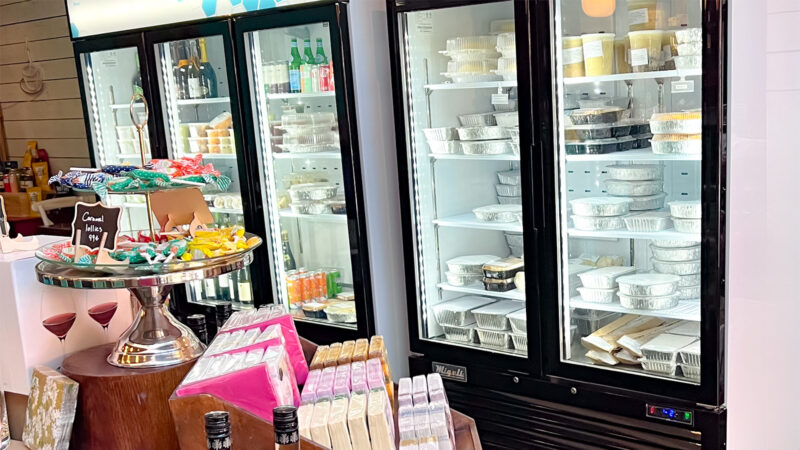
He opened The Butler’s Pantry in 2021. The Cotswold gourmet food boutique celebrated its fifth anniversary in August, with prepared foods now at the center of the business. Its cases and freezers hold everything from chicken enchiladas and Southern ham pot pie to grilled salmon, seasonal salads, mac and cheese, and homemade biscuits. The ingredients behind that range of food come through relationships King has built with farms throughout the region. He made many of those connections through the Piedmont Culinary Guild, where farmers, chefs, and restaurateurs can talk about what growers plan to plant, what kitchens might need, and when ingredients will become available.
“It’s just a wonderful kind of think tank to get together and spark ideas off each other,” King says.
Turning those connections into a steady supply of ingredients once required considerably more legwork. King and his team often had to travel to individual farms for pickups because farmers rarely had time to deliver.
“Our supply chain was spotty at best,” he says. “It was literally, who’s got time this week?”
When no one had time to make farm pickups, The Butler’s Pantry sometimes turned to a conventional wholesaler. That changed once the shop began ordering through Freshlist, which provides weekly updates on what local farms have available and what may soon disappear.
King still orders directly from longtime friend Kim Shaw, co-owner of Small City Farm, and that relationship sometimes brings more immediate opportunities. “If farmers have a lot of stuff that they’ve kind of overrun with and they’re looking to move it, we’ll see what we can come up with for a short-term fix,” he says.
This summer, Shaw had more yellow tomatoes than she could use. King went to executive chef Erin Gerin and suggested pairing Shaw’s tomatoes with cucumbers from Barbee Farms for a cucumber-tomato salad.
Local sourcing has its limits. The butler’s and farmers salads have developed loyal followings, but during the hottest part of summer, local farms can’t sustainably grow the spinach and romaine the kitchen needs. The Butler’s Pantry buys those greens from a national supplier until cooler weather allows the shop to switch back to local growers.
Sometimes, the season simply decides when a dish has run its course. The Butler’s Pantry stopped making its tomato products when King noticed the tomatoes coming in smaller and firmer than he wanted for tomato pie.
Then a regular customer called. Her mother was turning 90, and she wanted two tomato pies for the celebration. King agreed to make them, but first he needed tomatoes that met his standards. He planned to head to the farmer’s market.
“I’m going to Simpson’s Produce this morning to sift through a mountain of tomatoes to find eight tomatoes that meet my criteria for tomato pie,” King says, “so that I can make sure she has a good 90th birthday.”