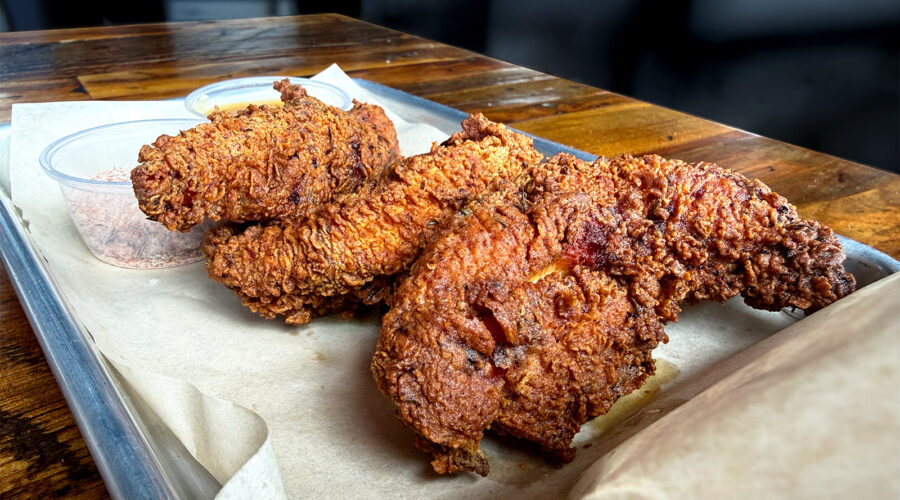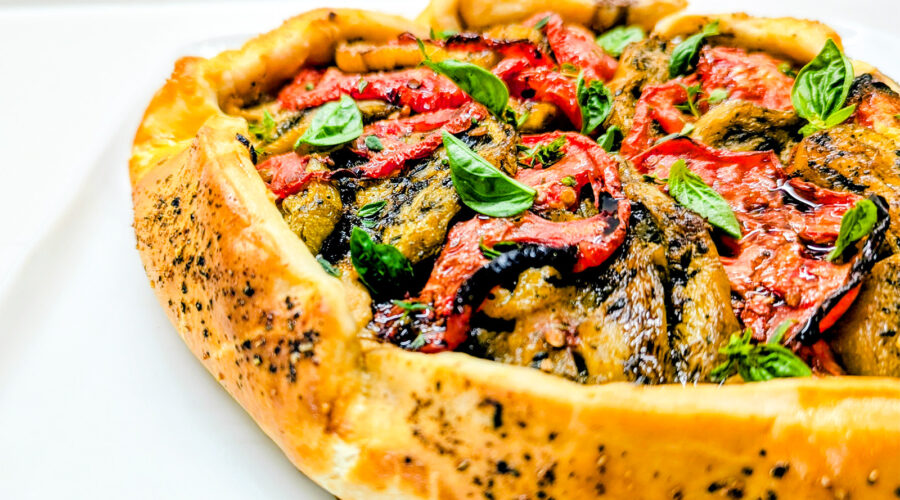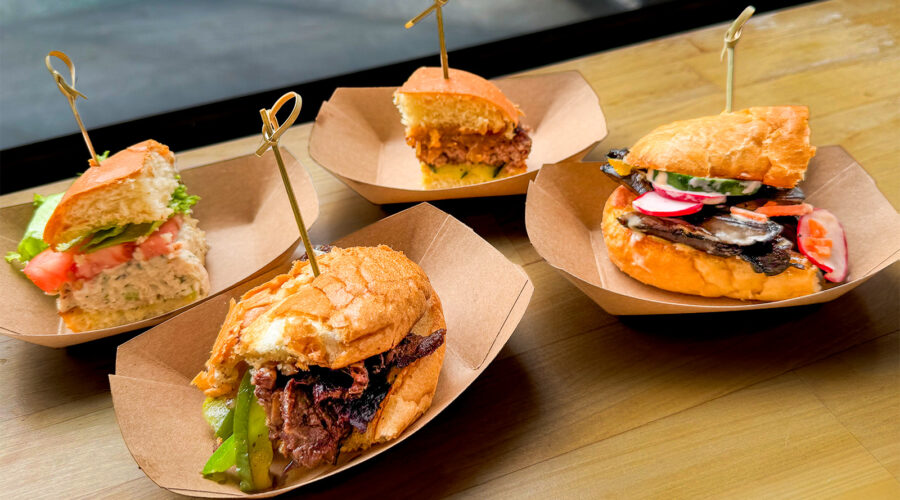
Hidden gem in Charlotte’s Oakhurst neighborhood where the menu is as creative as the food
Hidden gem in Charlotte’s Oakhurst neighborhood where the menu is as creative as the food


The widespread outbreak of HPAI/H5N1 impacts our access and wallets
by Lynn S. Caldwell
The ongoing outbreak of Avian Influenza (HPAI/H5N1), most commonly known as “bird flu” which accelerated in 2022, has now spread widely across both wild bird populations, commercial poultry, and commercial dairy operations, raising concerns about animal health, food production, and the broader economy. The US Department of Agriculture (USDA) reports that more than 153 million birds have been affected in the last two years.
There are experts in veterinary medicine at accredited universities investigating the biological and economic questions surrounding the escalating disease spread of the Eurasian H5N1 strain of highly pathogenic avian influenza (HPAI) and how it affects our farmers and our food supply.
A recent online symposium was hosted by SciLine, an editorially independent, philanthropically funded nonprofit based at the American Association for the Advancement of Science. Three academics from around the country spoke to what is happening around HPAI: Dr. Carol Cardona of the University of Minnesota, Dr. Maurice Pitesky of the University of California Davis, and Dr. Jada Thompson of the University of Arkansas.
All three panelists noted this shouldn’t be defined as “bird flu” any longer. HPAI/H5N1 in whatever species is infected is now being identified in pigs and cattle. All three speakers noted the infection of dairy cows as a genuine concern, particularly when it comes to the consumption of raw milk.
“This most recent outbreak started in 2022 in the United States and has spread to all 50 states,” Dr. Cardona reports. “Primarily, what we know is that the virus is endemic in the wild free-flying ducks that move through our country. Also, skunks, raccoons, rabbits, foxes, bears, wild and domesticated cats, and most recently mice can transmit it.”
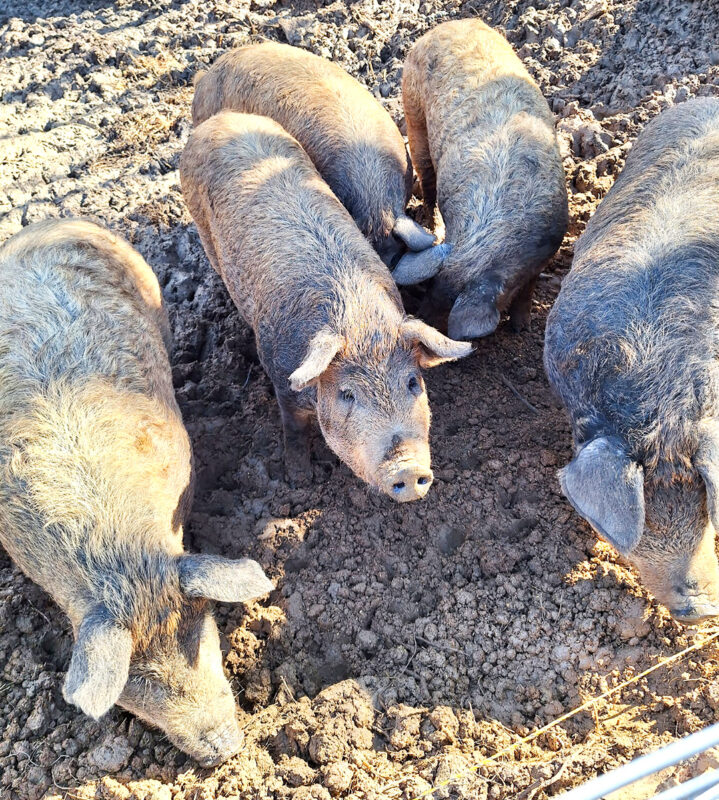
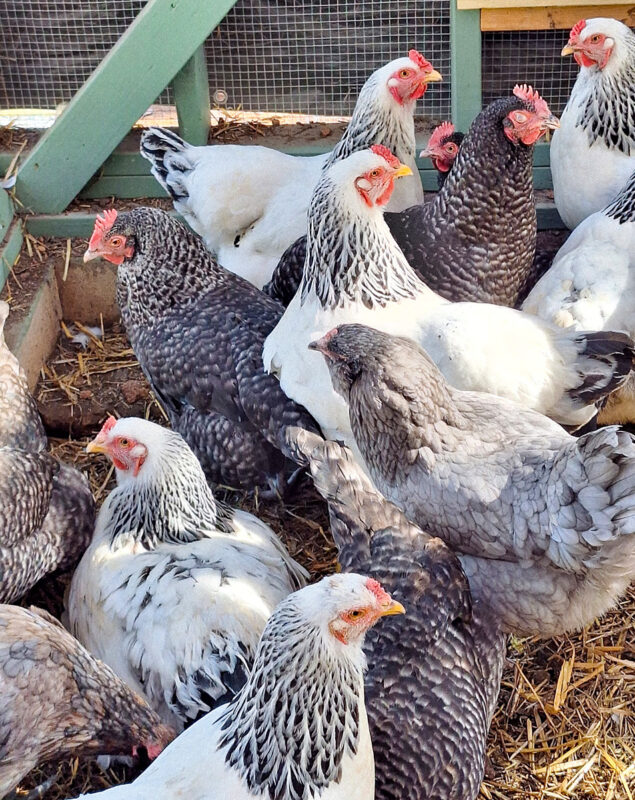
Small local farms and commercial operations struggle to prevent interactions between their animals and wildlife — and hopefully, as a result, prevent the spread of disease. Ken and Jeannette Calhoun, who own Basswood Creek Farms in Gastonia, host up to 200 hens and broilers at any given time, two different breeds of pigs, as well as turkeys and goats. While their animals get limited and supervised access to the great outdoors, they are mostly protected by safe pens that can resist predators on their 25 acres and prevent interaction with other wildlife.
“As a producer, the best action you can take is to monitor the health of your flock and look for any abnormalities. Also, we process our chickens through a USDA facility that acts as a final review of the health of our birds,” Ken Calhoun says.
Though the spread of disease can harm the supply of meat and eggs, there’s no reason to fear consuming them will harm your health. “Consumers should not be worried as long as the chicken and eggs they consume are properly cooked,” Calhoun says. “You should not eat raw or undercooked chicken, not just out of HPAI concerns, but for other health issues as well. As long as you properly cook your chicken, you can enjoy a nutritious and tasty meal.”
The American Pastured Poultry Association (APPA) asserts that the virus causes the most damage to intensely confined flocks of chickens commonly found in the commercial poultry industry. A relatively small number of backyard birds have also been affected.
When asked if buying from local farmers is safer, Dr. Pitesky says, “Big picture, buying local is relevant from an economic perspective (keeping money in the local economy), but not so much when it comes to food security and/or HPAI.” However, he does acknowledge that small family farms have a better opportunity to observe the health of individual animals and would be more likely to know if there is an isolated issue before it becomes epidemic to their flocks of chickens or teams of livestock.
Dr. Thompson is an economist and was specifically asked about how this outbreak has affected egg prices. “That is why egg prices are high. Large-scale animal outbreaks are going to impact what kind of foods we’re eating,” she says. “If there are no birds to lay eggs, there are no eggs to have, and then we have a supply shortage, which leads to higher prices for the eggs that are available.”
There are costs to be recognized in addition to the cost to consumers caused by a limited supply. Farmers will have to replenish flocks, and that takes time and money. Cleaning, sanitizing, and new biosecurity measures like testing, monitoring, and surveillance have a ripple effect up and down the food chain. This shift in the supply chain will not be reversed tomorrow.
The US Department of Agriculture asserts that the United States has the strongest avian influenza surveillance program in the world. Through their ongoing wild bird surveillance program, USDA’s APHIS — a division focusing on plant and animal health — collects and tests large numbers of samples from wild birds in the North American flyways.
APHIS also deemed smaller farms of all types to be at less risk than the more densely and intensively stocked commercial operations.
There is good news for those of us in Southern states. “When migratory birds fly south, they simply have fewer flu viruses when they arrive at their destination because they develop antibodies over the course of their flight,“ Dr. Cardona says. “By the end of their flight, they’re not shedding many viruses. We see 90% of the cases are across the northern part of the U.S.” Yet as the third largest poultry producing state in the country, North Carolina has still been hit hard, with the loss of more than 3 million birds at commercial operations, primarily in Hyde County but most recently in Sampson County.
What about human susceptibility? “I should point out that the biggest occupational risk right now is for dairy workers in milking parlors and also poultry workers, anyone around those two types of animals specifically,“ Dr. Pitesky says. “Vaccinations are being researched for both humans and animals, and more information and recommendations about both will emerge.” There are currently no reports of human-to-human transmission.
Regarding local farmers, Dr. Pitesky thinks we need to ask what help they need. “Farmers need a lot of help right now,“ he says. “We’re dealing with something historic and it’s very hard for farmers because margins are narrow, and they’re working insane hours and stressed and all the things that farmers go through.”
For consumers, Dr. Thompson offered this parting thought: “Eggs in the marketplace aren’t coming from diseased animals, and if you cook your meat to safe levels, all reports show that it’s going to kill the virus. Our food supply is still healthy,” she says. “Prices might be high, but they should come down when supplies come back on. Everybody is working as hard as they can to try to mitigate this disease as well as they can and as quickly as they can.”