

January 25, 2023
What Dry January means for the beer business
How local breweries adapt for the annual ‘sober movement’
By Brian Beauchemin
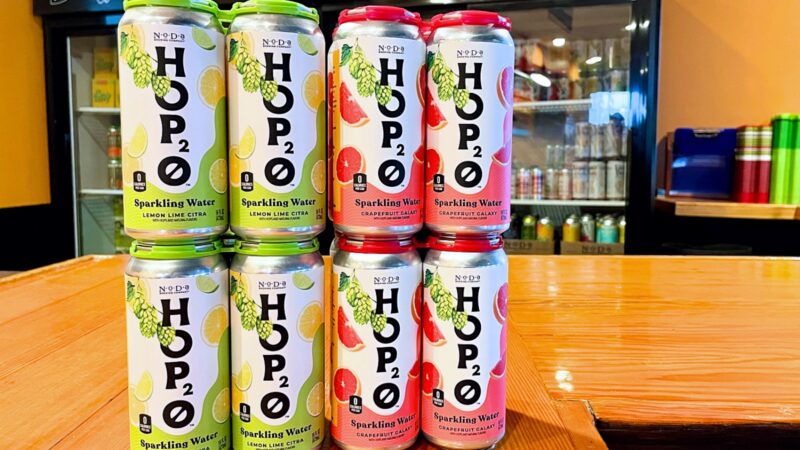
NoDa Brewing Co. released a non-alcoholic offering. Photo courtesy
January always seems to be a month of transition or transformation. The holidays are done, so it’s back to work and school. The weather turns colder, so it’s more layers of clothes. It’s a new year, so the resolutions come out in force: eat less, lose weight, go to the gym more often. The past decade has added another popular option to the list: drink less during Dry January.
In 2013, Alcohol Change UK, a British charity, initiated Dry January: 31 days of zero alcohol and a total reset for the body and mind. Dry January spurs many people to stop drinking alcohol after the holiday season and start the new year on a healthier note, looking to feel more refreshed and be more productive.
10 years later, Dry January has moved from trend status to a tradition for many. Although it remains more popular among the younger Gen Z and Millennial consumers, according to CGA, a company which researches the food and drinks market, 35 percent of all U.S. adults took part in Dry January in 2022. That’s a substantial increase from the 21 percent who participated in 2019. For the doubters of Dry January, 74 percent of those who intended to abstain from alcohol told CGA they succeeded.
With more than a third of adults deciding not to drink for a month, how does Charlotte’s craft beer industry fare? Historically, January is a slow month in the craft world, making it tough to discern between the “hangover” of the holidays, colder weather keeping people at home, people saving money after their holiday spending, and all the various resolutions pursued.
“January is tough in general with or without Dry January,” says Rick Benfield, Sales Manager at Blue Blaze Brewing. “But Blue Blaze has been making Zero Day, our non-alcoholic seltzer, for years which helps with sales for those looking to cut back on drinking. We always have one on tap and people in our taproom are buying four-packs to take home with them.”
NoDa Brewing introduced Hop2O, a refreshing twist on sparkling water with zero calories, alcohol or sugar. Although not in time for Dry January, additional flavors will be introduced this spring. Wooden Robot also produces their own homemade non-alcoholic seltzer water called Robo Chico.
“So far, we haven’t seen any out-of-ordinary hits from Dry January,” Chris Goulet, owner of Birdsong Brewing, says. “We’re actually trending ahead of 2022 so far, though obviously it’s early. While Dry January seems to be getting lots of extra press this year, it is certainly not a new trend. We’ve always experienced that the first couple weeks in January are usually the slowest time of the year (until Honey Pie comes out at least).” Honey Pie is their popular double IPA made with honey and introduced in January.
With that said, Birdsong offers kombucha mocktails and non-alcoholic beers from Athletic Brewing, a craft brewery producing only zero alcohol beers, for sale in their taproom.
Protagonist Brewing introduced non-alcoholic beers and CBD seltzers into their taproom specifically for Dry January. Patrons seem happy to have alternative choices and the products will likely remain beyond the month.
Many of the breweries see increased sales of non-alcoholic products in January. “So far in January, we’ve seen sales of our Zero Day seltzer double compared to other months,” Blue Blaze’s Benfield says.
Local breweries are also pursuing low alcohol or non-alcoholic beers. Resident Culture recently brewed a “non-alcoholic” hazy IPA clocking in at a mere 0.5% ABV;
Pilot Brewing is releasing a lower calorie, lower carb, and lower alcohol Belgian-style wheat ale called Stay Fit Wit. Free Range Brewing brewed HELLO SOBOLO, a gruit: a beer that uses a mixture of herbs for bitterness and flavor instead of hops. HELLO was brewed with 100% locally sourced ingredients and grains, including pine flowers, ginger, and roselle hibiscus.
January is tough for the craft world, as well as the rest of the hospitality industry. Locally, our breweries make the most of it by releasing new products, alcoholic or alternative, for all consumers to enjoy (explore our list of January releases not to miss). Beyond these beverages, they also emphasize their weekly taproom events and sell gift cards throughout the month to generate foot traffic. Whether you’re a Dry January participant or not, there are many reasons to continue to support your local brewery during our winter months.