Hidden gem in Charlotte’s Oakhurst neighborhood where the menu is as creative as the food
Hidden gem in Charlotte’s Oakhurst neighborhood where the menu is as creative as the food



Editor's Note: This story is unlocked for everyone to read courtesy of the CRVA, our partner in nourishing culinary exploration for residents and visitors of the Queen City.
The Top Chef judge also shares why his Charlotte restaurant never happened and whether he’d get into the culinary industry today
by Kristen Wile
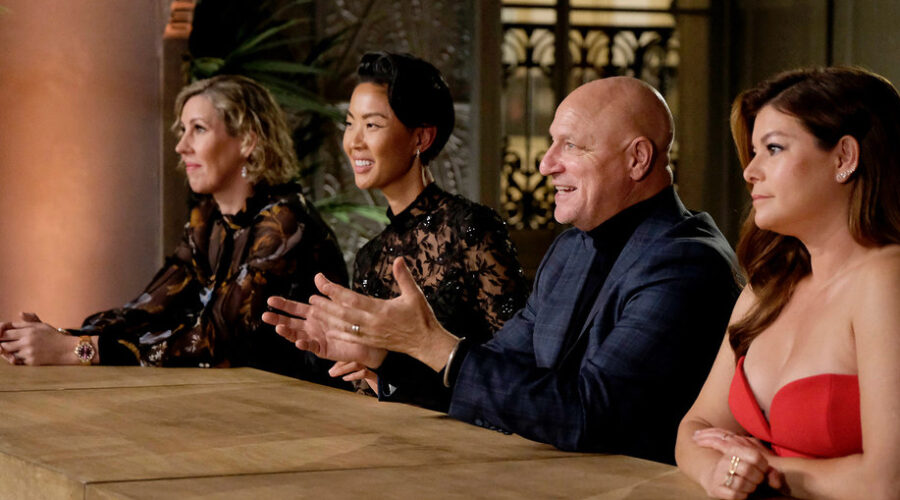
Top Chef lead judge Tom Colicchio was back in town this week to celebrate the debut of Season 23 of the show, hosted mostly in Charlotte. The celebrity chef spent several weeks late last summer as Top Chef: Carolinas filmed in the city, getting to know local chefs and experience Charlotte’s restaurant scene. We sat down with Colicchio to hear his take on what cities like Charlotte need to do to become a top-level food town, why the restaurant he almost opened here didn’t happen, and what’s changed in the restaurant industry.
Unpretentious Palate: What are some of the key things that happen for a city to go from a mid-level food town to a recognized food town?
Tom Colicchio: Years ago when I was coming up, you had to cook in New York, Chicago, LA, San Francisco, right? And most of the time you stayed there. Nowadays young chefs, young cooks come in, they work, they get the experience, but they’re going back home, especially if you want to have a family, raise kids. They go back home. It’s cheaper. They’re near family to help out, and it’s easier to open a restaurant, and so you’re getting a lot of talent that’s leaving the big cities going to secondary and tertiary cities and opening up really good restaurants.
I don’t know how a young person, a creative person, goes to New York anymore. It’s too expensive. I don’t know how you could possibly live there, unless you’re somewhere out in Queens and you’re living 6 to an apartment and that’s it, but you get tired of that pretty quickly. So even a lot of young cooks are staying here instead of going to New York or San Francisco or LA. It’s too hard. And there’s good food here now. As long as there are farms around, and there are in most cities, and you can get good product and there’s good cooks… there’s great food everywhere in this country now, everywhere you go.
UP: How do diners play into all of this in helping champion their cities?
TC: Well, that’s the problem — a lot of people in other cities, they’ll go, ‘Oh this is good, but it’s not New York.’ Or they’ll say, ‘Well this is expensive.’ Well, where else do you go?
Years ago I was a chef in New Jersey. It was a good restaurant and it was in a very affluent area and people would come in and go, ‘Oh this is expensive.’
Well, where do you go? ‘New York. I go here, I go there.’ Well, it’s the same food. We’re buying the same food, and that’s how you price the menu out. And so why should we charge less? ‘Well, it’s New York,’ OK, but still, why should we charge less? And they can’t answer that question.
I think diners need to understand that if you want good restaurants, you need to support them. You need to go out. You need to spend. The lifeblood of restaurants are having regulars, and so becoming a regular at a restaurant is something you should try to do. And you do that not by tipping someone but just by being nice, you know. Grab a manager and tell him that you love this restaurant. You want to come back. Is there a number that I can call and make reservation so I don’t have to go through online? I’d be happy to do it.
Just support your restaurants. Support your local restaurants.
UP: I’ve been hearing from a lot of restaurant owners lately that the regulars are no longer as much of a thing.
TC: No, it’s not.
UP: Why do you think that is?
TC: I don’t know. I think social media may have something to do with it. People now, they want to come to the restaurant. They want to order like most of the menu, put it on the side of the table, and we’re going to eat it. Why? It drives me crazy. Like on my menu, I have a tuna tartare with a sea urchin vinaigrette, and you’re going to put that on the center table alongside of the gnocchi that we serve with Gorgonzala? And you’re going to put that on the same plate? And you’re going to think for some reason that’s a good idea?
I don’t know why they’re doing this, but that’s what’s going on. They go in, they want the whole menu. They want to experience it once and they leave. That’s it. And they don’t come back.
It’s a very strange, very strange time that we’re in right now, and I don’t know whether it’s a combination of media is all social media these days, and you know, the idea of trusting someone who’s an influencer as opposed to trusting yourself is bizarre. It’s a funny time to be in this business.
UP: Would you rather be in this business now or the business 30 years ago?
TC: If I were young right now, I would not want to be in this business. It’s too hard — no, it’s always been hard. It used to be fun. It’s not fun, at least not for me.
It’s been a couple of tough years, but I still love the business. It’s just changed a lot, and I don’t know if it’s changed for the better. I even find that with dishes, you can’t take risks anymore. Even little things like 30 years ago, I’d put squab on a menu and sell 12 a night. I put squab on a menu now, I can’t sell it. And you’d think that diners are more adventurous now. They’re less adventurous. They want the greatest hits, and that’s it. It’s very strange.
UP: If you had a colleague, a chef, who’s interested in opening a restaurant in Charlotte, what would your advice be to them?
TC: It’s a great idea. You’ll probably get a restaurant for half of what you’d spend in a bigger city and clientele’s here. It’s a good idea. I almost opened here years ago. I came very close. I looked at a space and I couldn’t figure out the deal. It was downtown somewhere. It was in a new building that was being built.