


The Basics
- Neighborhood: Plaza Midwood-Belmont
- Cuisine: Bar / Pub Fare
- Price range: $$
- Good for: Girls night | Kid-friendly | Non-adventurous eaters | Open late | Special occasions
- We dig: The mix of traditional dishes and more inventive fare; the large selection of Irish whiskey; the coziness that is found near the back of the restaurant
- Downers: The pub starts to feel like a night club on weekends; the cocktail menu's lack of memorable drinks
- Must order: The french fries (with mayo to dip), burger, lamb frites, sausage roll, and Mother’s Ruin cocktail
- Phone: 980-224-8234
- Website: http://theworkmansfriend.com/
Last updated: August 20, 2020
In the Weeds
Brian O’Nolan, better known to the world as Flann O’Brien, was a famous Irish writer whose involved and complex novels like At Swim Two Birds and The Third Policeman made him the heir to James Joyce and one of the greatest modernist writers of the 20th century. One of his lesser-known poetic verses provides the name for a Plaza Midwood public house, The Workman’s Friend. An ode to Ireland’s greatest export, Guinness, it’s also a fitting name for a restaurant that helps wash away the tedium and drabness of work life.
The attention to detail that went into the name extends to the menu at The Workman’s Friend. The starters section of the menu has gastropub classics like bag of chips, sliders, a meat and cheese board in addition to more eccentric choices like chicken liver and cauliflower pecan pates and a beet and goat cheese tower. Though all of those have their merits, my favorite starters are the fried oysters and the sausage roll. Oysters are one of mother nature’s great gifts to humanity, their briny and mineral complexity sum up all that is great about seafood. Frying lends them another layer of flavor that doesn’t distract from their essential ocean flavor. The sausage roll is made with pork that has been ground in-house and it shows. The mustard and gherkins that come with the roll help to counter the savory punch of the pork without overwhelming it.
Other dishes that are punching above their weight are the working man’s burger, the Irish American grilled cheese, Lynn’s shepard’s pie, and the lamb frites. Not often likely to make the list of any restaurant’s best dishes, the gourmet ingredients of the grilled cheese help to make it memorable. Made with generous amounts of melty Dubliner white American cheese and sandwiched with crispy toasted sourdough, this isn’t your mama’s grilled cheese sandwich. Served with it is an elevated take on tomato bisque soup that tastes homemade and has none of tell-tale signs of canned soup, like fistfuls of salt. It certainly doesn’t hurt that it is also priced at $8. What may seem like a dish thrown into the mix to please picky eaters, the working man’s burger is one of the most satisfying meals in Plaza Midwood. Topped with more of that Dubliner cheddar cheese, this burger is made of house-ground beef and cooked to your desired temperature. You’ll feel regret if you don’t also add bacon to the burger for an additional $2.
Lynn’s shepard pie sticks close to the traditional roots of the Irish recipe and offers a rib-sticking meal of pure, unadulterated comfort on a cold night or when you find your spirits in need of lifting. At $25, the lamb frites is the most expensive dish on the menu but worth every penny. A rack of New Zealand lamb is divided in three, well-seasoned with herbs, then seared and served alongside a mixed green salad drizzled in vinaigrette and thick-cut french fries. Also listed as an appetizer and served with the workman’s burger, the fries are some of my favorite in the city. Steakhouse-style, hand cut in the kitchen, and garnished with generous amounts of sea salt, these spuds’ thickness means their skins retain the classic crispy texture of a fast food french fry while the inside remains creamy and soft. If you’re a freak like me, be sure to ask for mayonnaise with your fries. A popular condiment for fries in France, mayo as a dipping sauce has yet to catch on here in America.
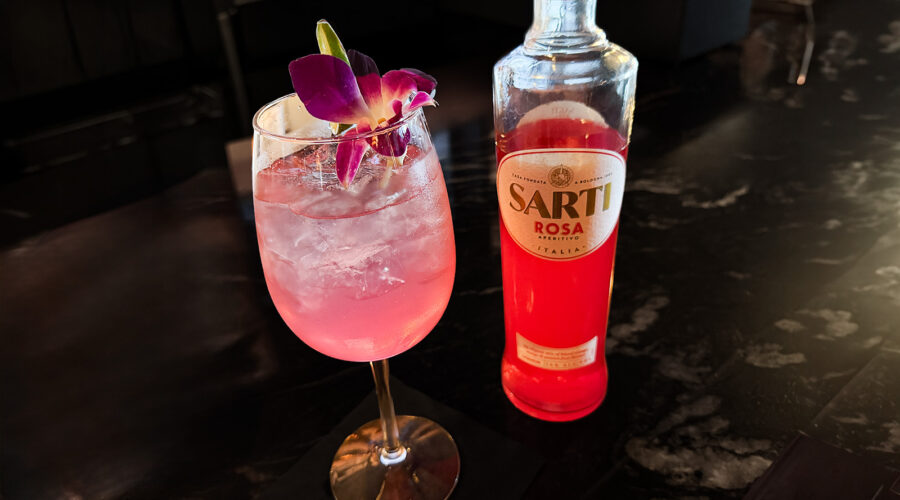
The most obvious drink to order would be a pint of Guinness. There’s also a cocktail menu that is largely forgettable with one exception, Mother’s Ruin. Pretty much the opposite of what you think you would find at an Irish pub, this cocktail is refreshing and goes down so easy you could drink several before the alcohol catches up to you. Honeydew-infused Hendricks gin is mixed with hibiscus cane syrup and a dash of tonic to create a drink that makes you wish you were swaying in a hammock on some Caribbean beach. If you’re a connoisseur of Irish whiskey, you’ll be happy to see the addition of Red Breast and Midleton to the better known and easier to find Jameson, Tullamore Dew, and Bushmills. Smoother than its American and Scottish cousins, Irish whiskey may seem deceptively simple, but with each further sip, the honey and spice flavors of the alcohol begin to linger on your palate. Any anxieties you may have are soothed away in the warm glow of the golden liquid. After all, the word whiskey is derived from the Gaelic word uisce beatha, or water of life.
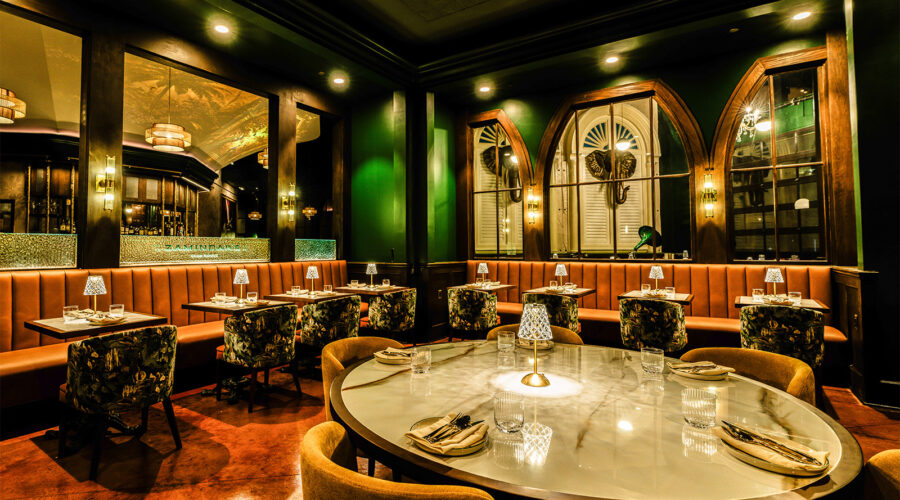
In Ireland and Great Britain, the public house has served as the center of social life for centuries. It’s the place you gather to watch footie, cricket, or rugby. It’s where friends and family swap gossip and news, where you go to forget your sorrows or celebrate your victories, where politics are argued over, and where loves are kindled and animosities nursed. The pub is where you enjoy the craic, a gaelic word that translates to good times. There are times when that is also true of The Workman’s Friend. Then there are other times when the bar is ten deep, Duran Duran is blaring from the speakers, and I think I’m back on Montford when I was an undergraduate at Queen’s. Though it might not rise to the exalted, folksy essentiality of pubs in Ireland, it is nonetheless the sort of place you want to be at the end of a long day at work, or when you just want to pass a few pleasurable hours in the company of your fellow neighbors looking for a respite from the whirl and tumble of life. —Travis Mullis