


November 4, 2026
The Market at 7th Street announces major expansion
Uptown food hall/incubator space to expand by 50 percent
by TM Petaccia
The Market at 7th Street has announced plans for a 50 percent expansion, taking over adjacent former restaurant space to give its food and retail entrepreneurs more room to grow.
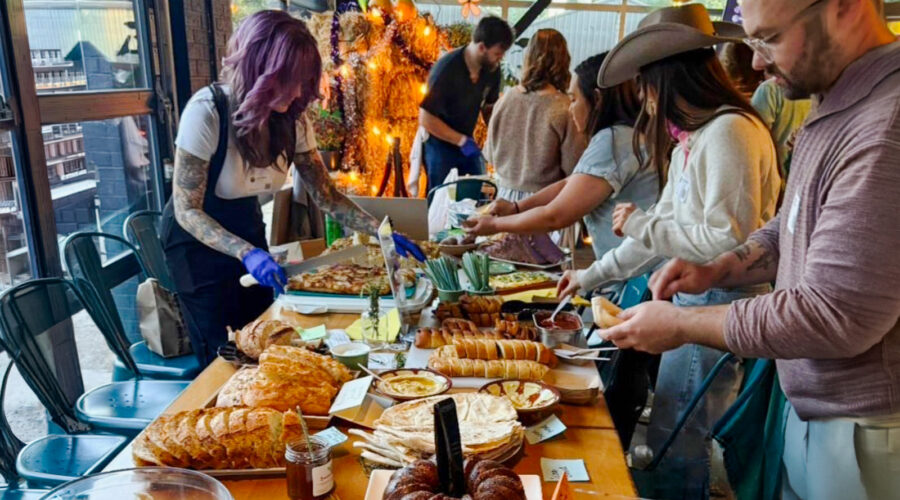
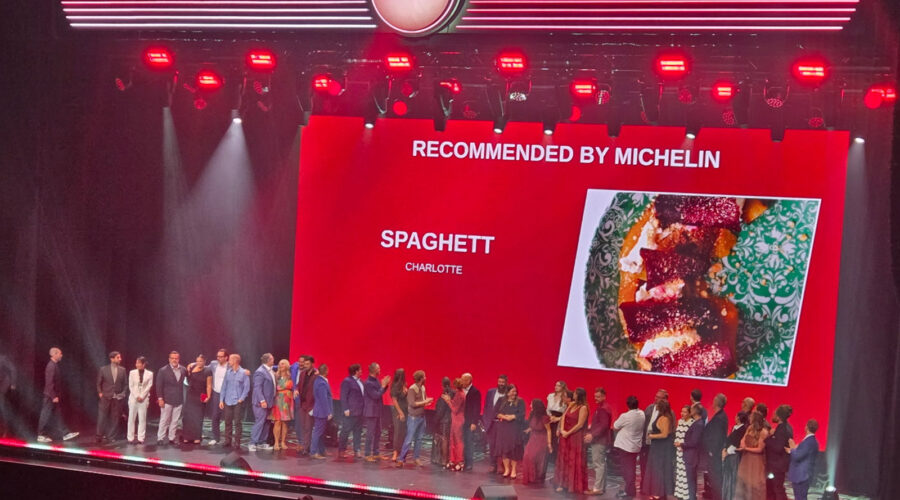
Unveiled Tuesday, November 3, during the nonprofit’s 15th anniversary celebration, the project will combine additional kitchen capacity with more flexible gathering spaces and a stronger connection to the surrounding Uptown streetscape.
Codenamed “Market 3.0,” the initiative also includes reinvesting in the existing market. The vision extends beyond adding vendors and seating, with opportunities for visiting chefs, business development programs, community organizations, and cultural events among the uses being explored.

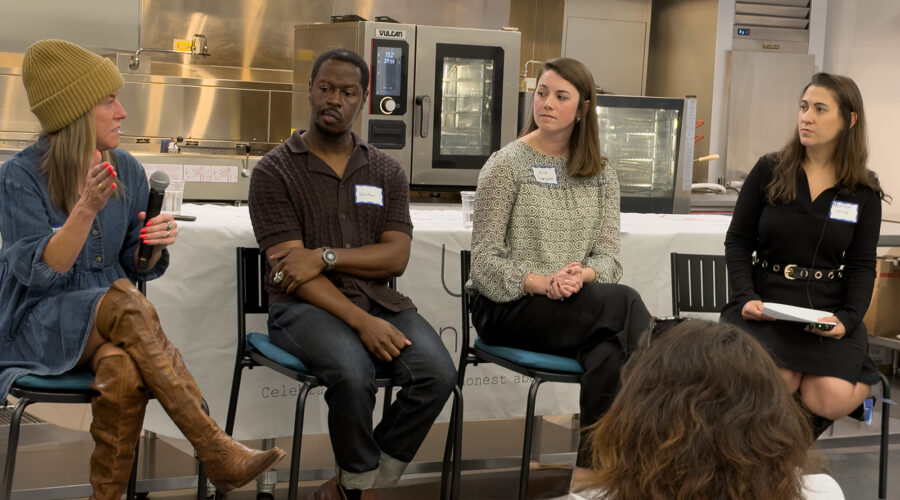
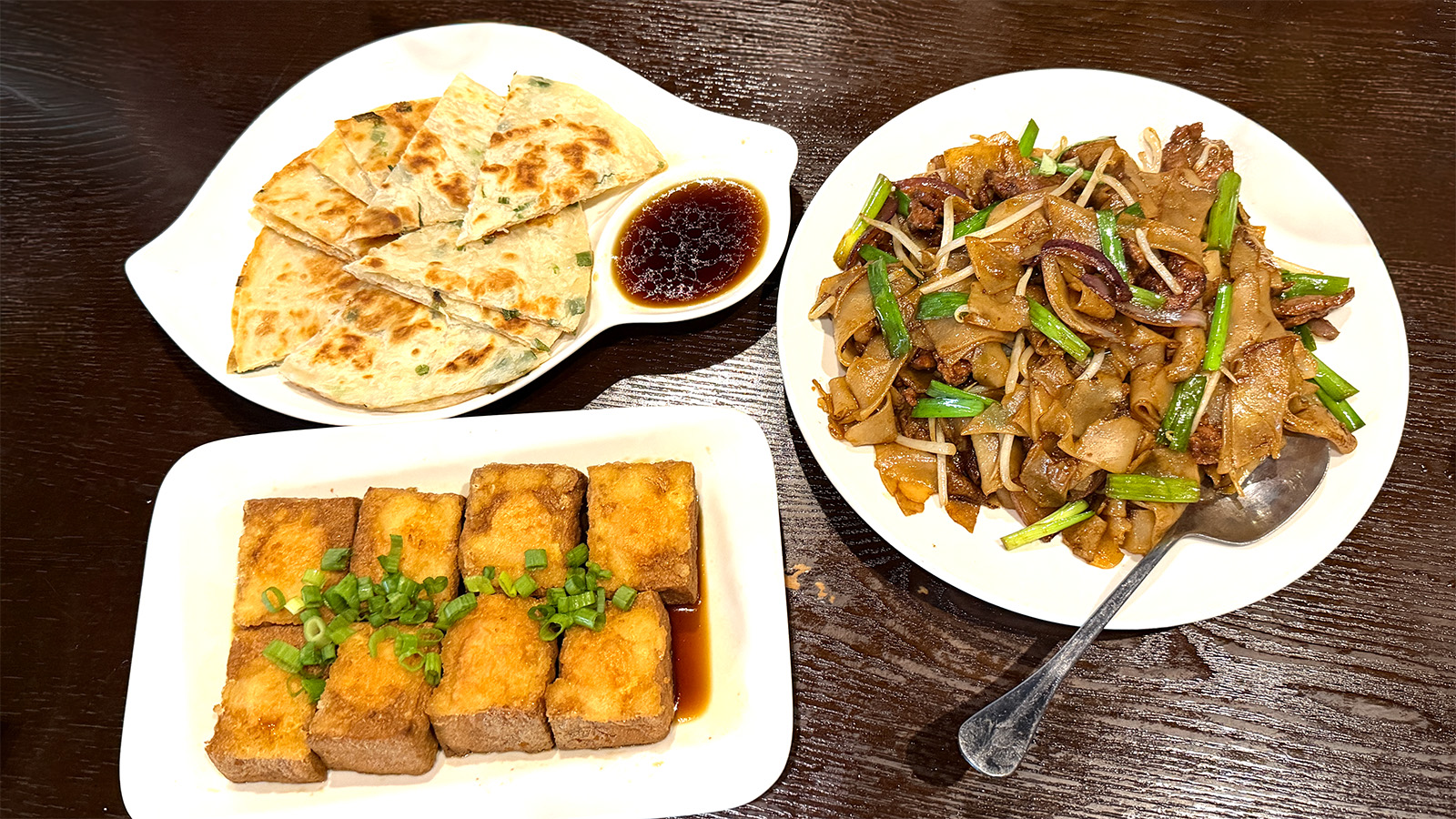
“What if we had an even bigger, more flexible gathering space for entrepreneurs, for economic mobility, for hospitality, for culture?” Michael Smith, CEO of Charlotte Center City Partners, said during the announcement. “Getting to know some of these signature dishes, getting to know the businesses, the operators of these, they’re all here tonight for you to get to know and they are who makes our market so special. It’s this mosaic of incredible entrepreneurs. Tonight, we’re going to remind you of the many ways that the market incubates culinary and retail entrepreneurs and creates one of Charlotte’s most welcoming places and authentic places. Tonight we begin that journey towards advancing that goal.”
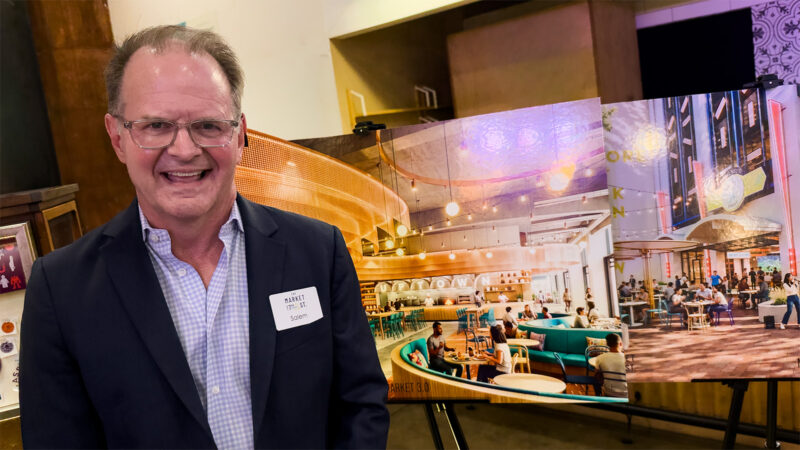
Planning remains at the concept stage, and a construction timeline has not been established. The Market at 7th Street executive director Salem Suber says the work will be completed in phases. Architecture firm Little & Associates has contributed conceptual renderings, and developers have lent their expertise through design planning sessions.
“Right now, the development is at a concept stage,” Suber says. “We’ll be working with Little & Associates and some other experts to really dream this out before we start setting up construction stages.”
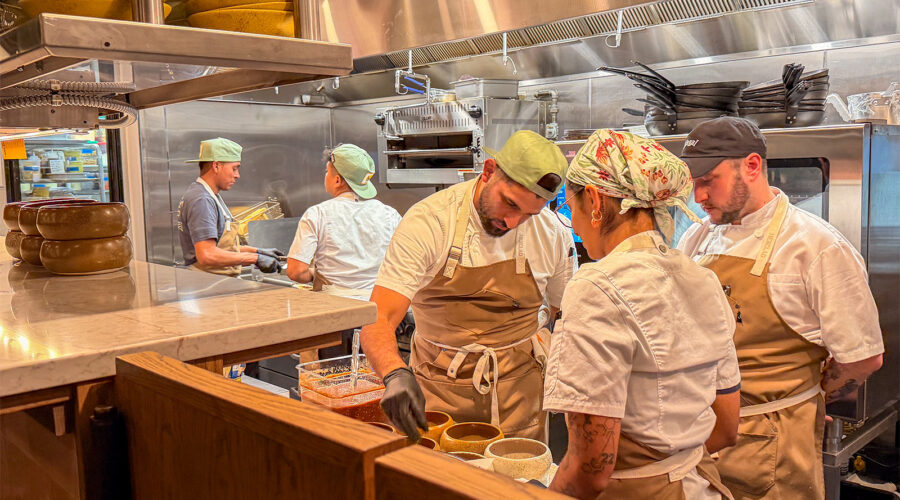
For the businesses already operating inside the market, one of the most significant proposed additions is a 43 linear feet expansion of kitchen hood ventilation. Suber says the additional infrastructure would help businesses increase their production capacity as sales and customer demand grow.
“Right now, we need to address some infrastructure limitations and address the openness of the market to the rest of the city,” he says. “This new expansion is going to allow us to meet that growth on the kitchen infrastructure side, as well as just the customer demand.”
Planned exterior changes could be equally noticeable. Suber says concepts could possibly include garage doors that open the interior to the outside and bar service onto the patio. Those changes would bring more of the market’s dining and social activity into view from the surrounding streets and light rail. “We want to make sure that the exterior dining and service really become part of the cityscape as opposed to us being a hidden gem,” Suber says.
Bank of America, a longtime market supporter, sees the next phase as another opportunity to help those entrepreneurs build lasting financial stability, said Keith Cockrell, president of Bank of America Charlotte.

“What we like to say at Bank of America, we ask a very simple question that really begins our day every day and that is ‘What would you like the power to do?,'” Cockrell says. “Although we’re a very large bank, it’s not really about us, it’s about the clients that we have the pleasure of serving. What I love about The Market is we’ve watched hundreds of entrepreneurs walk through this door, basically living that, ‘What would I like to do?’ and making that question into a reality for them. Not just to grow, but to secure a life and the future for their families.”
The planning materials identify better connections to Sixth Street, the light rail, and the surrounding North Tryon neighborhood as priorities. The aim is to make the market’s businesses and activity more apparent to people who have yet to walk through its doors.
Inside, the design would integrate the neighboring space into the existing market, Suber says, creating a connected experience reached through a corridor rather than a separate section. “The design is really going to connect the two spaces and also allow us to work with more and more community partners,” he says.
That flexibility would create opportunities for entrepreneurs who may not need a permanent stall. Suber points to a chef hosting a dinner series one night a month as one possible use, along with meeting space and business development programming for local organizations. “You know, we’ve always been about creating revenue opportunities, but with this new infrastructure, we’ll be able to multiply that with what I’d call access opportunities, which might be a chef who has a dinner series one night a month that we can accommodate,” he says.
Local culinary organizations could also benefit from having space to gather and collaborate.
“Think about some of the culinary organizations in town where we have such collaborative energy that a shared space with meeting room would really be a benefit,” Suber says.
The Market reports that it has incubated more than 175 businesses through its broader work, with more than 75 businesses operating through the physical market. Its HIIVE entrepreneurship program has supported more than 80 entrepreneurs since 2023 through education, mentorship, connections, and opportunities to test their businesses.
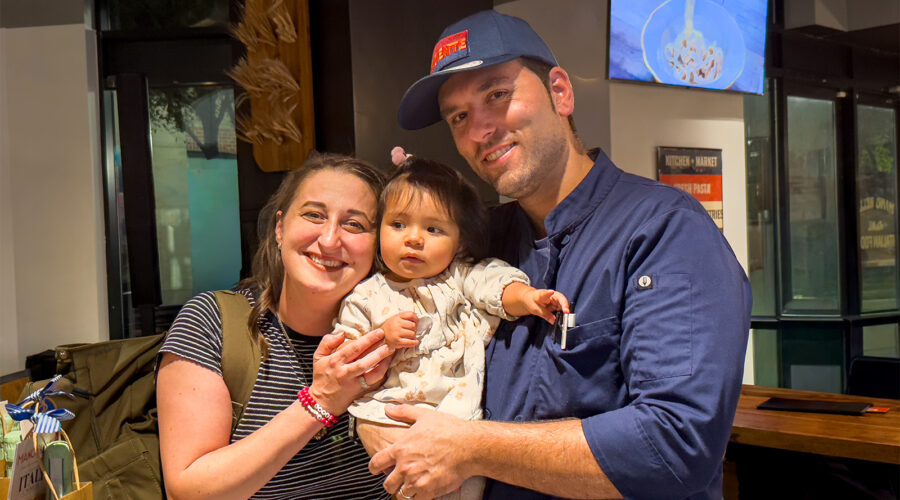
Smith says the mix of established operators and new arrivals is part of what makes the market work. Some business owners have been there since 2011, while others joined only months ago. “These are local businesses, it’s a collective. They learn from each other every day,” Smith said.
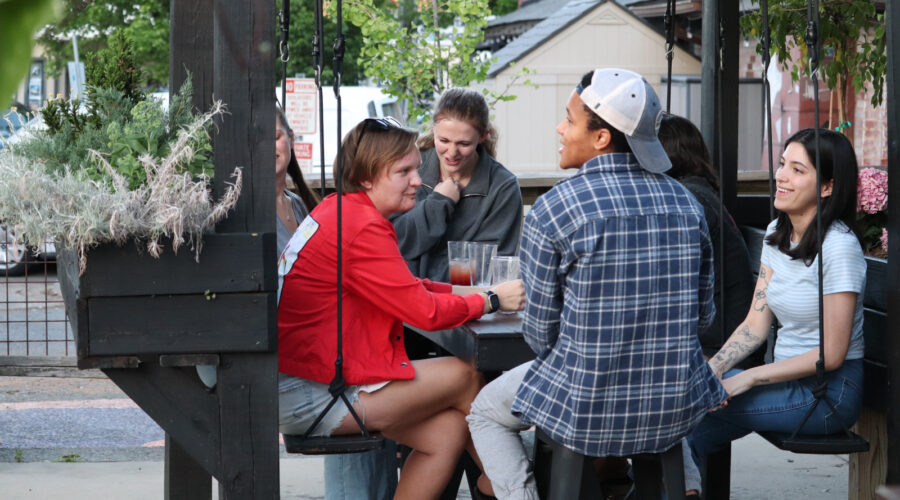
The Market also welcomes more than 14,000 visitors each month and hosts more than 200 gatherings annually, according to its planning materials. The expanded space could accommodate more dining, working, meetings, and cultural programming while maintaining its everyday role as a place to share a meal and discover local businesses.
Preserving the food hall’s identity will also be part of the planning. Its independent businesses, local ownership, cultural diversity, and informal interactions are qualities the project seeks to carry forward as the physical space changes. Suber says there is no immediate plan for a name change, although discussions have included how the market’s branding could reflect its next phase while maintaining a connection to its origins.
“We have thought about, how do we stay connected with the origin, the legacy of the market, not step away from that, but have a brand that sort of relaunches the original meaning of the market in its new form,” he says.
“We believe there’s much more that we can do as a bank to help the entrepreneurs not only deliver great food and make this market uniquely Charlotte, but we want to do more to make them outrageously successful,” Cockrell says.
For Smith, that sense of place is central to its appeal.
“The market is so authentically Charlotte,” he said. “I love it when I come here because you couldn’t be anywhere else in the world. There is only one The Market at 7th Street.”