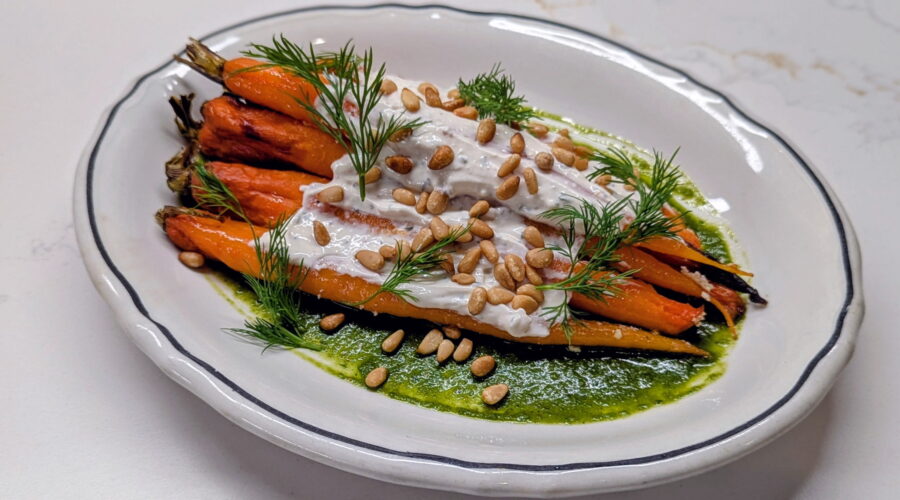
Hidden gem in Charlotte’s Oakhurst neighborhood where the menu is as creative as the food
Hidden gem in Charlotte’s Oakhurst neighborhood where the menu is as creative as the food


Soul food scholar Adrian Miller explains the holiday
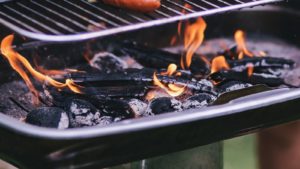
Barbecue pork spare ribs are a traditional Juneteenth dish. Photo by Karolina Grabowska/ Kaboompics.
Juneteenth is a holiday celebrating the news of Emancipation reaching Texas, ending slavery for all Americans in 1865. Though it was once only recognized in Texas, the celebration of Juneteenth now takes place across the U.S. Here in Charlotte, the owners of The House of Africa in Plaza Midwood organize an annual parade and festival along Commonwealth Avenue. We caught up with Adrian Miller, soul food scholar and James Beard Award-winning author of Soul Food: The Surprising Story of an American Cuisine, One Plate at a Time, to get some more history on the holiday and what its culinary traditions are. —Kristen Wile
Unpretentious Palate: Is Juneteenth being celebrated more now than it has in the recent past?
Adrian Miller: I would say yes. One thing you need to understand is, stepping back, is that there were several Emancipation celebrations keyed to different events. What’s remarkable about Juneteenth is it was pretty much a Southwestern Emancipation celebration for pretty much 100 years. And then it’s now spread to not only become the dominant celebration in the country, but it has supplanted other celebrations.
I’ll give you an example. In Colorado, if you look at old newspapers from the late 1800s to the early 1900s, African-Americans celebrated Emancipation in the fall, like in September. That’s because on September 22, 1862, President Lincoln announced that the Emancipation Proclamation would go into effect on January 1, 1863. So some people celebrate in September, and other people celebrate on certain dates in August that are tied to Emancipation celebrations in the Caribbean, some people celebrate it on January 1 because that’s when the emancipation proclamation went into effect.
UP: Is there any reason why Juneteenth won out as the Emancipation celebration?
AM: I think that Texans are just better at celebrating and promoting their culture. The same thing is happening with barbecue. I mean, Central Texas barbecue is now becoming the default barbecue.
UP: What is the way people traditionally celebrate Juneteenth, and why?
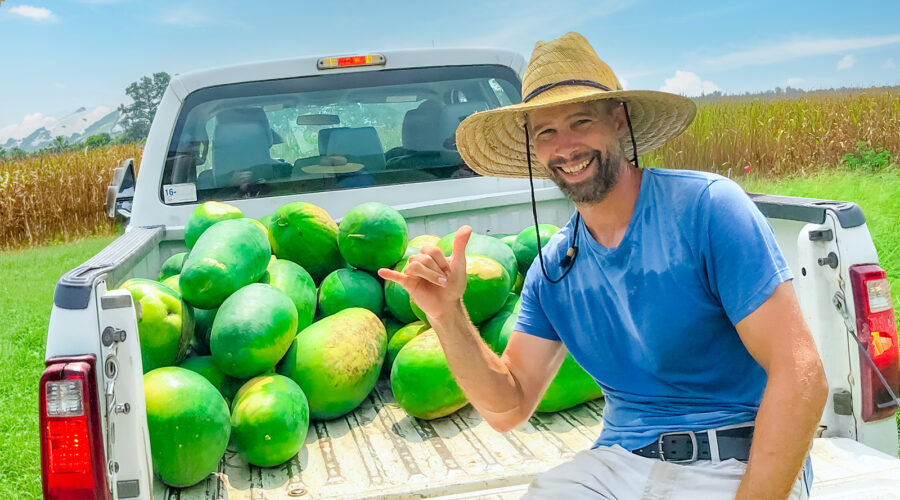
AM: Going back to its Texan roots, it’s really about barbecue. Now, we’re talking about African-Americans, so the beef brisket signature for Texas barbecue is not as dominant as pork. It was usually barbecue pork spare ribs, and then actually there’s a whole tradition of goat, as well, in some pockets of Texas. So it’s really barbecue and all that comes with barbecue, and then drinking some kind of red drink. And because it’s summer time, watermelon was the typical dessert.
UP: Why a red drink?
AM: A lot of red drinks are tied to Emancipation celebrations. If you look at historical newspapers in the 1870s and 1880s, you’ll see that a lot of African-American social events, including Emancipation celebrations, there’s usually a red drink. And back then it was red lemonade. The transition is, it goes from red lemonade to red soda pop and then to red Kool-Aid. That’s kind of the arc of the drink. There are different ways people made [red lemonade], but it’s essentially lemonade that was colored red by something else; it could have been strawberries, it could’ve been raspberries. Some people used sumac.
What I argue in my book is that red drinks are a nod to a couple of ancestral West African drinks that crossed the Atlantic during the slave trade. You probably have had one of them and just didn’t realize it. One is hibiscus. Hibiscus is native to West Africa, and in several West African cultures there’s a drink called bissap, which is essentially a hibiscus tea. And you get water, you colored it red with the flower petals, and you sweeten it to taste. They made also a drink out of red cola nuts. … Those drinks both came across the Atlantic during the slave trade, so I think red Kool-Aid is a nod to those drinks, because the popularity of red drinks is pretty consistent throughout the African diaspora.
UP: What did the first Juneteenth celebrations look like?
AM: The earliest celebrations are civic. You have to remember how isolated rural communities are. It just had different flavors depending on where you were. In an urban environment, it typically was some sort of parade, more of a civic celebration. As you got into the rural communities, it could be a civic celebration of just a bunch of families coming together doing communal cooking and just doing a communal celebration. So it just kind of depends. Nowadays, it tends to be more of a civic thing, where you’ve got some kind of group organizer or something for the community, and the community comes together to celebrate.
Disclosure: The links above are affiliate links, which means Unpretentious Palate earns a small commission on any sales of the items above. Since nearly everything is available on Amazon these days, this has no influence on which items we feature.