

February 1, 2021
The bright side of opening in a pandemic
Dining restrictions are bringing back the soft opening
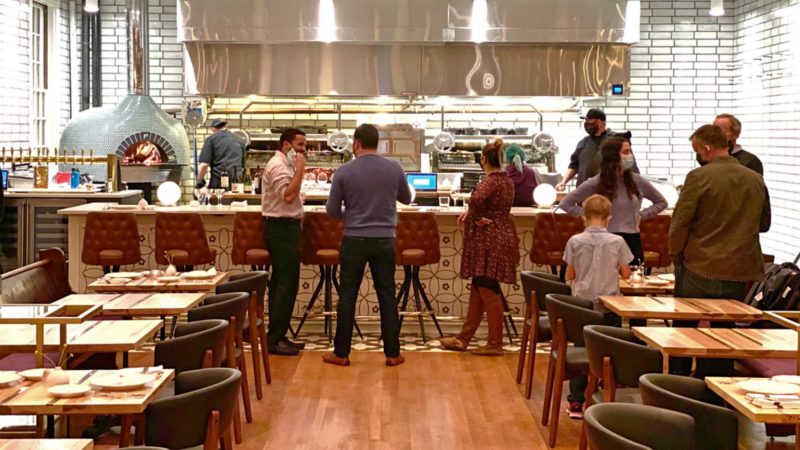
The heart of Supperland, a massive wood-fired grill, is featured in the front of the restaurant. Photo courtesy
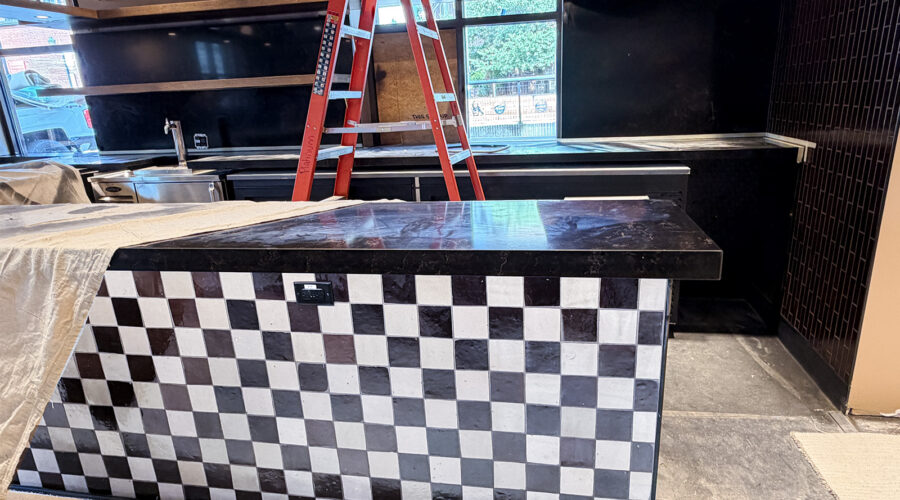
Supperland, a new restaurant from the owners of Haberdish, Crepe Cellar, and Growler’s Pourhouse, was in the works long before the spread of a novel coronavirus sent the world into lockdown. Taking the space of a former church on the corner of The Plaza and McClintock Road, Supperland required a complete renovation to become the airy dining room owners Jamie Brown and Jeff Tonidandel envisioned.
The restaurant will serve dishes cooked on a 13.5 foot wood-fired grill, including steaks and sides as well as church potluck-inspired dishes. Now, as the restaurant nears completion and the pandemic rages on, Brown and Tonidandel are grappling with the appropriate time to open the restaurant. As they push forward with a mid-February opening, Tonidandel says they have found some bright spots to opening during what has been a difficult time.
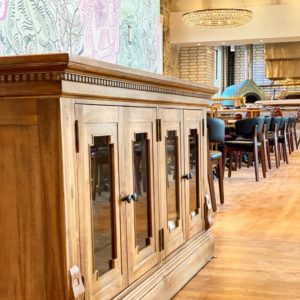
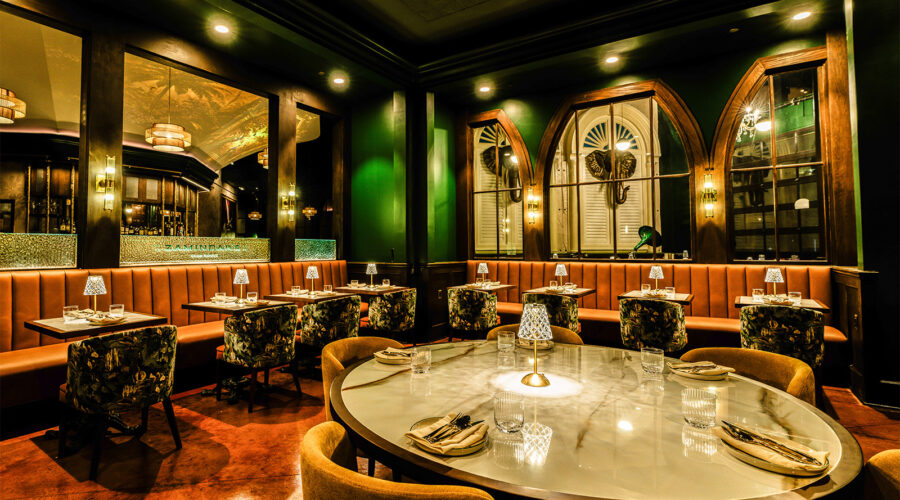
The Supperland dining room used to be a church. Photo courtesy
As restaurants close and restaurant groups pause expansion plans, the battle for talent that was driving up wages and causing labor shortages pre-pandemic has eased. Tonidandel says he’s been able to hire an impressive staff from both within Charlotte and elsewhere. Going forward, he thinks the trend of being able to recruit from other cities will continue.
“Charlotte is a great-sized city, it’s not too overcrowded and we have some great things going on, good weather,” he says. “There’s a lot of people that are making some life changes and looking at coming here, so we’re able to grab some great talent.”
That talent will also get a smoother start when Supperland opens its doors. When Haberdish opened, the highly-anticipated NoDa restaurant was immediately slammed, with long waits and packed tables after only a few family and friends nights. With social distancing requirements, diners staying home, and dining rooms at 50 percent capacity, Supperland will be able to open with a more controlled experience.
“We’ll take advantage of it, we’ll try and execute the best we can and learn from what we’re doing, and we hopefully won’t get completely overrun when we open,” Tonidandel says. “Limiting that could be helpful to our first few weeks, first months being open as we drill into the space.”
Uncertainty over the future of the pandemic, however, makes the decision to open a difficult one. If the restaurateurs were to hire staff and purchase all of the food needed to open then be forced to shut down, it would be a massive expense they couldn’t recoup. Government assistance wouldn’t be available, either, as the restaurant hasn’t served any customers since the pandemic began.
“We have to time it right, we have to get it right,” Tonidandel says. “That’s kind of the biggest scary piece: if we open and get shut down, we’re kind of done for.”