

September 21, 2020
Six months into the pandemic, restaurant owners see little relief
“They are all in trouble,” NCRLA’s president says
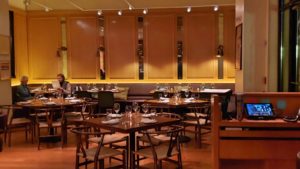
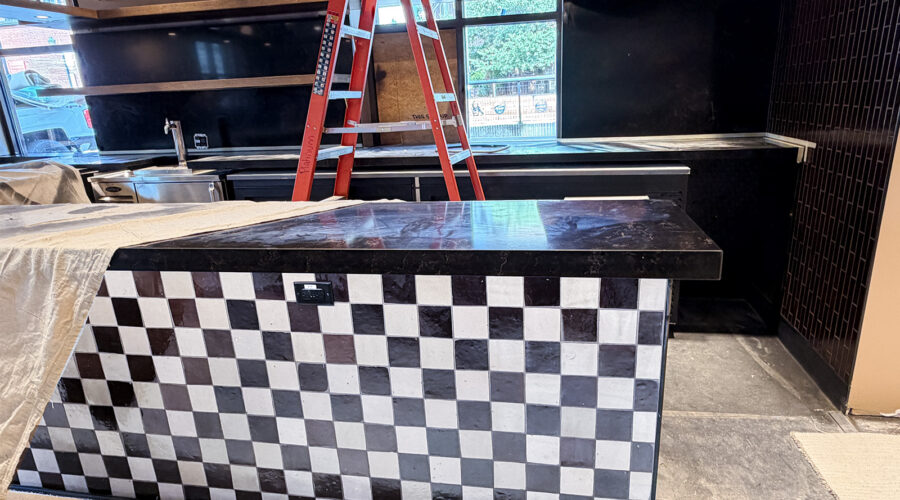
Corkbuzz in SouthPark is one of the many restaurants already closed. Kristen Wile/UP
According to a National Restaurant Association survey, 100,000 restaurants across the United States have closed permanently. That number indicates one in six restaurants has not survived the pandemic, even as Covid-19 continues to decimate business. While the survey included restaurants country-wide, North Carolina Restaurant and Lodging Association President Lynn Minges says those numbers reflect what she and her team are hearing in North Carolina.
“There is certainly a very common denominator, and that is that they are all in trouble,” Minges says. “They’re all struggling right now. And we have not seen the kind of relief that we need to see as an industry to allow us to survive this pandemic, or for most to survive the pandemic.”
Some restaurants — such as drive-throughs and pizza joints — are doing fine, Minges says, while fine dining restaurants and those in areas dependent on tourism are among the hardest hit. According to the survey, however, 40 percent of restaurant owners said they didn’t think they would be in business in six months if there is no additional federal relief.
“I think for many, they have burned through their cash, their assets, and are now really facing some tough decisions as we head into fall, particularly if federal relief, in the form of a second round of PPP [Payroll Protection Program] does not come quickly,” Minges says.
If North Carolina is reflective of the national number of one in six closures, which NCRLA believes is the case, 3,300 restaurants have already closed. Even though dining rooms in the state have reopened, Minges fears that as patio season comes to a close, restaurants won’t be able to operate and make a profit, increasing the need for federal funding for restaurants to survive. Even with warm enough weather for outdoor dining, some restaurants are deciding the math indicates it doesn’t make sense to open.
“Many restaurants, as we know and understand, are small. They’re just independent restaurants and they don’t have the square footage, the space to be open in a viable way, given the six foot social distancing between tables that they have to comply with as well as the 50 percent occupancy restrictions,” Minges says. “So for many of those restaurants, they just simply can’t operate effectively — in some cases, it would just mean that there were four or five tables in a restaurant. And for that, you can’t bring back staff and open up and operate safely and efficiently. So they’ve chosen to keep their doors closed until the capacity limits increase.”
In Charlotte, the city kicked off a grant program aimed at helping food and beverage establishments. Nationally, the NCRLA and NRA are pushing for additional rounds of PPP funding. In North Carolina, the state changed its Rapid Recovery loan program terms, lowering the interest rate to 2.5 percent, increasing the loan amounts to up to $250,000, and pushing the payment terms to 18 months. Protections have also been enacted to prevent restaurants from liability if someone tries to sue them for contracting Covid-19. With the General Assembly in recess, Minges doesn’t expect much to come in terms of state relief. Congress is likely in session only for a few more weeks, so the NRA is pushing for another round of PPP and tax credits to offset restaurant losses, specifically targeting extra costs of sanitation and purchasing personal protective equipment.
“That’s really what we’re focused on — just whatever kind of relief we can get across the finish line with Congress,” Minges says. “Unfortunately, there is just not a lot coming to help us. And the magnitude of the need is so great right now.”