


February 7, 2024
Nutrition assistance, farm aid await Farm Bill passage
Here’s what’s a stake as the federal government continues debate over the bill
by Lynn Caldwell
Every five years, the U.S. government revisits its nutrition assistance and agriculture funding with the Farm Bill. The $1.5 trillion bill was up for renewal in 2022, but legislators were unable to reach consensus and extended the existing bill for a year. When an agreement could not be reached again in 2023, the bill was extended for an additional year with the existing provisions. The heat is now on to reach consensus and approval of the Farm Bill by September of 2024.
“The Farm Bill was enacted in the 1930s as the Agricultural Adjustment Act as a response to the Great Depression and the Dust Bowl as a way to ensure an adequate food supply, to keep food prices fair for farmers and consumers, and protect and sustain the country’s vital natural resources,” says Brett Rapbaum, administrator and organizer for the North Carolina Food System Advocacy Coalition. “Just shy of 100 years later, we’re recovering from a financial recession and in the midst of a climate crisis. The Farm Bill has the potential to fund climate-smart agriculture practices and support a just food system for all, but only if we make it so.”
As in 1933, the current Farm Bill is not just about farmers. The Farm Bill also addresses the food that we purchase to eat and the protection of the natural resources that make growing that food possible, essentially sustaining our food supply. That said, as much as 75 percent of the existing Farm Bill funds nutrition assistance through supplemental income and educational programs.
The Farm Bill is made up of twelve “titles.” The ones that affect our local farmers the most have to do with conservation; energy; available credit necessary for growing and sustaining their farm businesses; and research related to innovative programs, as well as the establishment of a new generation of farmers. In addition, there are provisions that support the growth and establishment of small, local meat processors so that there are more options for livestock farmers and more local meat at farmers markets.
The title related to horticulture covers programs related to farmers markets and local food; research and support for specialty crops versus commodity crops; organic farming methods; high tunnel grants that extend the growing season; and various certification programs like Good Agricultural Practices (GAP).
In the current proposed version of the farm bill, the “miscellaneous” title speaks to the needs of beginning, socially disadvantaged, BIPOC and veteran farmers and ranchers; agricultural labor safety and workforce development; and the health of livestock on farms of all sizes, ideally inspiring more pastured livestock operations instead of feedlots.
Erin Bradley, director for business development for local food distributor Freshlist, sees how federal policies can shape a local farm economy. “There are many programs rolled into the Farm Bill that help subsidize small-scale farmers in the way that larger, more corporate farming operations have always been subsidized,” she says. “The Farm Bill sets aside money to assist farmers markets, food hubs, and grower co-ops through their Local Agricultural Marketing Program (LAMP).”
Because of LAMP, Freshlist is able to consistently purchase produce and other farm goods from small to mid-sized farms in our area and distribute that food to recipients through local food banks like Second Harvest.
“At Freshlist, we’re really excited about the opportunity in this year’s Farm Bill to expand our ability to purchase from small and mid sized growers for food access organizations,” Bradley says. “These baseline sales help farms have reliable income, meaning they don’t always need to raise prices to market customers or chefs to account for market volatility.”
Different organizations have different priorities, but to get this bill passed there has to be bipartisan unification around the policies that show a commitment to American agriculture, small farms in urban and rural communities, and nutrition assistance programs.
Matt Kneece, the Policy Director for the Carolina Farm Stewardship Association spent time in Washington, D.C. for a debrief on the status of the Farm Bill, attending meetings with many of the key players and decision makers.
“Funding is one of the biggest areas of controversy around the Farm Bill. The funding doesn’t just directly flow to farmers,” he says. “Nutrition assistance programs absorb the greatest percentage of the funding, but that assistance directly benefits farmers. The more funding consumers and food access organizations have to spend on food, the more income farmers receive on a consistent basis through farmers markets, restaurants, and retail outlets.”
Kneece maintains that with climate and conservation programs as a unifying priority, there is a financial opportunity for small farms to be the answer to climate change and get paid to do it.
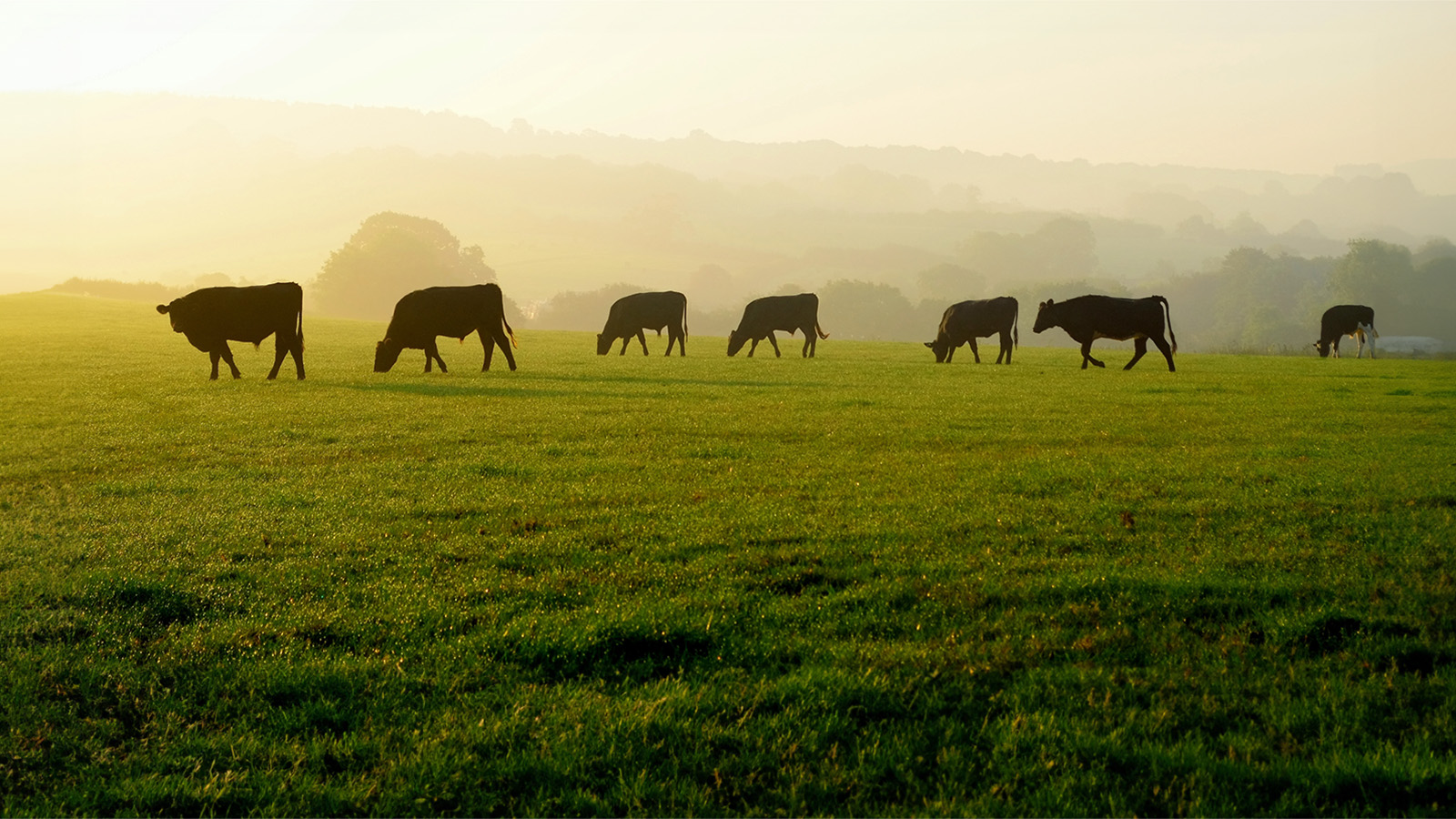
Mike Hansen and his wife Sue Meyer tend Ozark Akerz Regenerative Farm, near Asheboro, N.C. The ten year-old farm, which raises endangered Pineywoods Cattle, has tentatively been accepted into the current administration’s climate-friendly agricultural funding program, which is not part of the existing farm bill but is expected to be rolled up into it this year. There is an effort underway in Congress to get some of those funds reallocated in a way that does not have a climate-friendly requirement and foreshadows concerns about how Farm Bill negotiations may proceed.
“For us, this [climate-friendly agricultural] funding would help introduce our endangered Pineywoods Cattle into an additional 60+ acres of forest for Habitat Management and provide more Silvopasture,” Hansen says. “The Pineywoods have already proven their ability to reduce invasive plants and brush that is fuel for fires in 15 acres of forest. Wildlife populations have improved as has biodiversity of plant life in the forest. Also, forest grazing has reduced operating costs. The Pineywoods graze for their own medicine in the forest, like Black Walnut, which contains a natural anti-parasitic (juglone). This has helped reduce vet bills to $100 in the past seven years.”
The reality is that there won’t really be any significant work done on the Farm Bill until April, and that work has to be done by July or the Farm BIll will be delayed again until 2025. A new administration might tremendously change the content of the bill and the way funds are allocated.
There are several local non-profits that are making efforts to get the Farm Bill approved in 2024. Those nonprofits include the Charlotte Mecklenburg Food Policy Council, the Carolina Farm Stewardship Association, the NC Cooperative Extension, and the North Carolina Food System Advocacy Coalition. You can learn more about these groups online, and you can also reach out to your state congressional representatives to share your thoughts and opinions on the bill.