

February 26, 2021
Mixologists Britt Clark on how inclusion isn’t enough if you have no say
In honor of Black History Month, we’re listening to Black industry professionals
In honor of Black History Month, we’ll be interviewing a Black voice in Charlotte’s food and beverage industry each week in February. Today, we’re speaking with Brittany “Britt” Clark, mixologist at Dot Dot Dot, on addressing the root problem of racism in the restaurant industry and how inclusion is not enough.

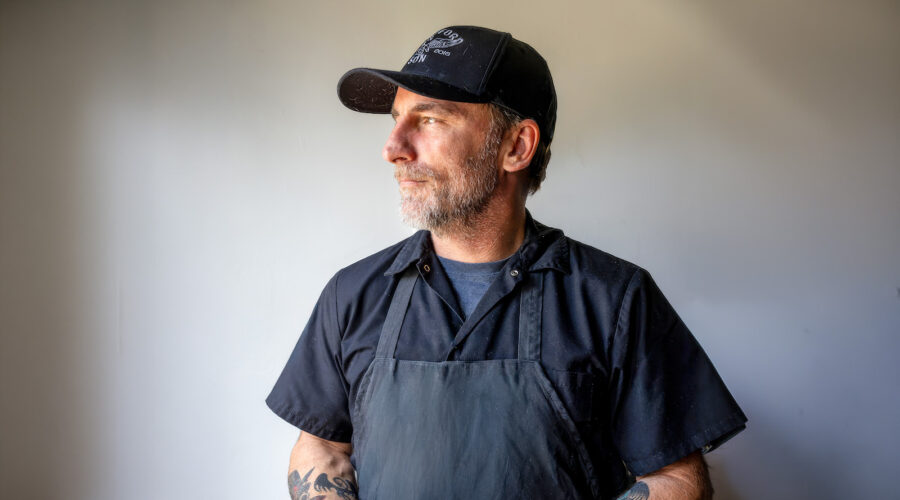
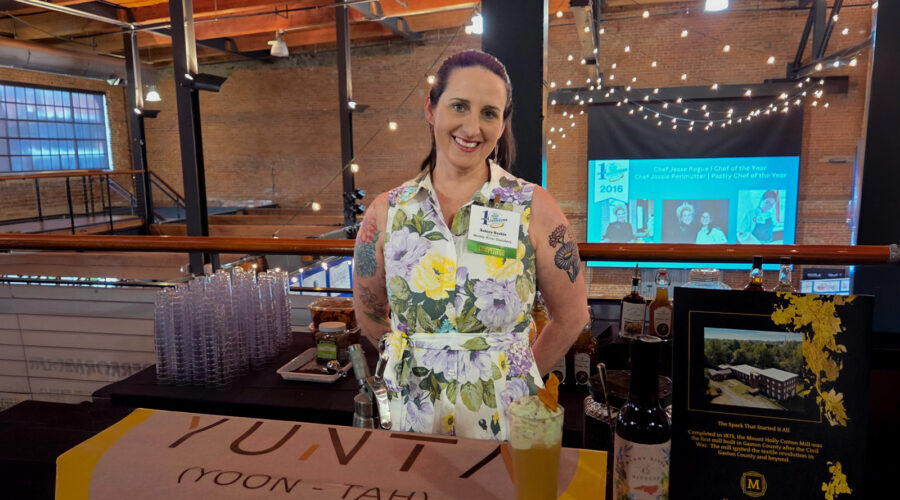
Craft mixologist Britt Clark of Dot Dot Dot. Photo by Jonathan Cooper
Unpretentious Palate: When did you realize there weren’t many craft mixologists that looked like you, and how did that change your path in the industry?
Britt Clark: Since Day One. Whether you’re cognizant of it, the next time you go into any fine dining or craft establishment, stop and look at who is in certain roles. It’s been proven statistically that hiring practices are biased and racist when it comes to hiring candidates. Coming up in my career it’s not only forced me to be more aware of my surroundings, but has greatly influenced where I spend my time and money.
UP: What is one way that you think the restaurant industry can encourage diversity and change going forward?
BC: This one is easy. Be actively anti-racist and don’t be silent in uncomfortable situations.
UP: Why does inclusion matter? How does inclusion benefit the restaurant and beverage industry?
BC: I understand that people love this word inclusion and it’s been a hot topic as of late, but it means nothing if we don’t get down to the roots of the beverage and hospitality industries’ problem. Our industry is deeply problematic on so many levels, and we’re seeing all these problems coming to light after they’ve been swept underneath the rug for so long. What good is being included in something if you have no say? You’re just a prop or piece of decor to make something look good.
UP: How can diners help encourage change?
BC: I’ve always felt that people should be mindful of how they treat others. Waitstaff are people too and not your servants. Kindness, following rules –– making sure the guests in your party follow them too, and being patient with staff as we enforce CDC regulations will make everyone’s dining experience way better. Oh, and wear your damn mask.
UP: How are you trying to make things better for future generations of beverage professionals?
BC: I’ve always been outspoken. Growing up, anyone that knew me would always call me precocious and I’d say that not much has changed. In a situation, I’ll always be “the bad guy” if need be when pointing things out for what they are. It gets me in “trouble” sometimes, but honestly I tend to not care about those rules since they’re usually coming from a place of superiority complex.
UP: What is one way your Black heritage shows through in your craft?
BC: I like to think my approach to cocktails is thoughtful. I tend to think past what just tastes good and the significance of the ingredients that I’m using. There is always a method to my madness. It also shows by simply showing up in spaces that weren’t catered to me and being myself as I navigate deeper into my craft unapologetically.
UP: Who is one Black restaurant or beverage professional in Charlotte people should know about?
BC: I don’t have one answer for this one. I feel like you should seek out any Black professional in hospitality, because to this day I have some people thinking I’m “the help” when they see myself behind the bar, and I’m at one of the top bars in the city.