Hidden gem in Charlotte’s Oakhurst neighborhood where the menu is as creative as the food
Hidden gem in Charlotte’s Oakhurst neighborhood where the menu is as creative as the food


2024 UPPY Farmer of the Year talks about the last 20 years and the importance of self-sustainability
by TM Petaccia
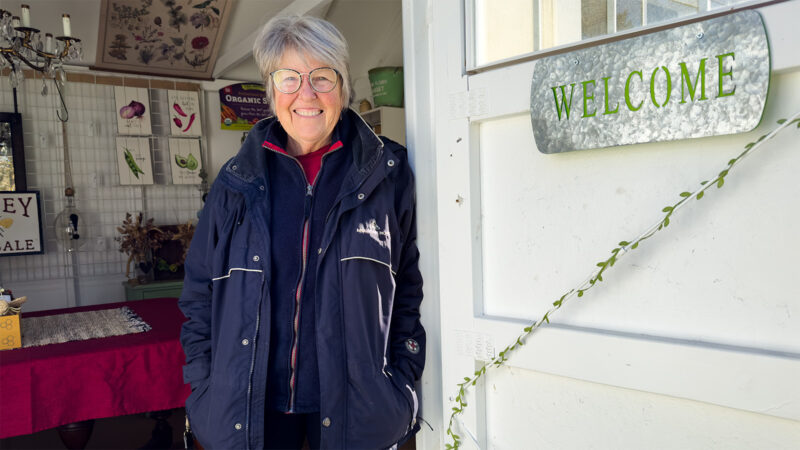
“I have been digging in the soil since I was two years old,” says 2024 UPPY Farmer of the Year Mary Roberts of Windcrest Farm. She has lived on her 14-acre farm in Monroe for more than 48 years, but only the last 20 has it been a fully operating farm.
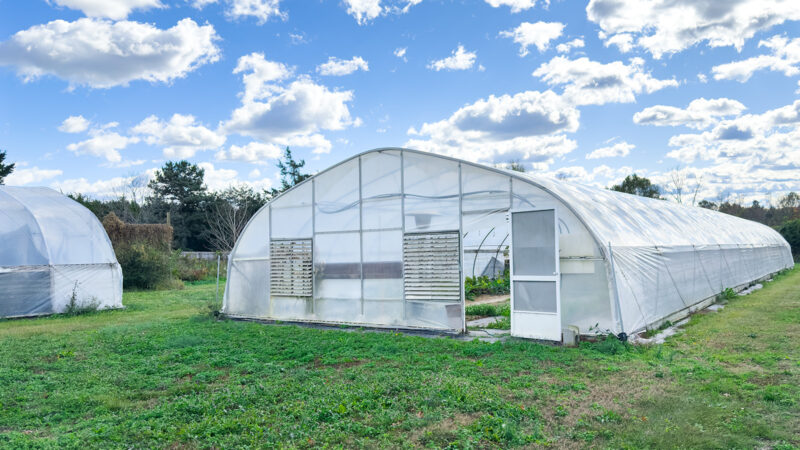
“My corporate career in engineering documentation and technical marketing came to an end,” she says. “At the age 50, I said to myself, ‘It’s now or never.’ My husband, who was in construction, said to me, ‘Let’s build a greenhouse.’ From there, we just started going around the county finding abandoned greenhouses, made offers on them, and brought them here. I now have seven of them.”
However, unlike many farmers who see selling produce as the end result, Roberts saw selling the plants as her niche. “The original business plan was to just grow heirloom tomatoes and pepper plants for other farmers and home gardeners,” Roberts says. “I would go to the supermarket and see all to tomatoes were red and round. I knew there were so many different varieties available. I thought, ‘Well, this is what I’m gonna do: find these heirloom varieties and sell the plants.’ I figured there was a market for this.”
“Thinking back, I grew 30 or 40 different varieties,” she says. “My husband kept saying, ‘If it’s not a Big Boy and Early Girl tomato, you’re not gonna sell them.’ I said, ‘No, somebody knows what these are.’ For example, I had a variety, a high-acid Greek tomato called a Thessaloniki. I went to the Yorkmont (Charlotte Regional) farmers market, and an older man came up, saw these plants, and said, ‘Where did you get these?’ I told him I grew them, and he said, ‘I’m from the Greek island of Thessaloniki. I’ll buy every one of them.’ I was like, ‘Okay, I’m on the right track.'”
However, Roberts quickly saw a flaw in her initial plan. “Plant sales are just in the spring and the bank tends to want money all year round,” Roberts says. “I had plants left over so I started growing the produce. That was not my original aim: growing food. It was growing plants so other people could grow food. That’s still my real passion.”
From tomatoes and peppers, Windcrest Farm expanded to offer a wide variety of fruit, vegetables, herbs, flowers, and ornamentals — all heirloom varieties. “I did a seed inventory last year and we had 438 varieties of everything,” she says. Even the flowers and ornamentals have a role in food production. “We don’t grow anything that doesn’t benefit something else on the farm or home garden.”
For a while, produce sales became the main source of income, especially in the fall and winter months, restaurant sales in particular. “Chefs would say, ‘We want local, but where are we gonna get local in the middle of the winter?’ A lot of farms have high tunnel greenhouses today, but back in the day, we were one of the few. A wealth of things will grow throughout the winter, such as arugula, spinach, carrots, kale, beets, kohlrabi, Swiss chard, and a lot of herbs.”
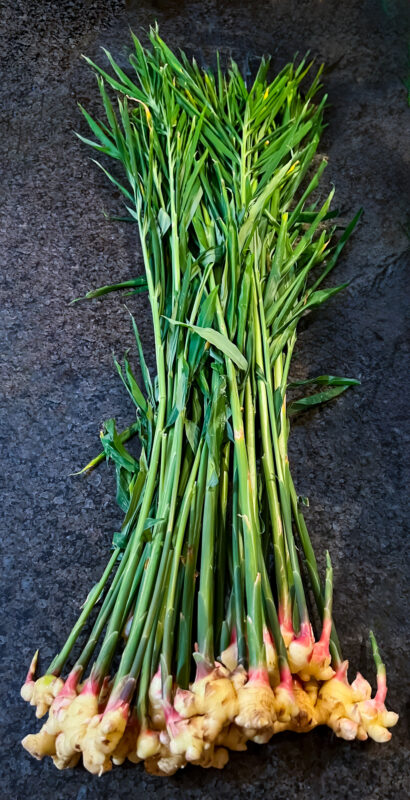
Two of the most popular items Roberts sells are fresh ginger and turmeric, both harvested in the fall. It was a chance encounter and an eager intern which kicked off this new endeavor.
“13 years ago, I went to a conference. There was a woman there who brought certified organic ginger and turmeric seeds from Hawaii. Nobody was growing these on the mainland. I had an intern with me who got fascinated and asked if I could consider growing them. I said, ‘I don’t know, let’s get a spreadsheet going.’ At the end of the calculation, I told her I would provide the infrastructure because it does have a long growing season, but she needed to do the work. At the end of the first year, when we harvested it, the aroma hit us as it came out of the ground, and we were hooked.”
That first year, the total harvest was 42 pounds. The annual yield has ballooned over the years to more than 800 pounds. Most of the ginger is sold via an annual CSA, which often sells out quickly. You can order for farm pick or delivery when harvested (typically September) via the Windcrest website.
Turmeric took a bit more convincing. “I swore I’d never grow turmeric again because it’s a pain in the neck to harvest,” Roberts says. “But we sold out our first year. We doubled production each year until we reached one and a half greenhouses filled with it.” This year’s turmeric harvest can also be pre-ordered via the website.
“When COVID hit, people became more interested in natural remedies for medicinal uses and boosting your immune system, for which both ginger and turmeric have many uses for,” she says. “People were looking for not only the ginger and turmeric, but they wanted them grown in the United States because the farther you get away, the more chances you are not getting a product of integrity.” (Most of the ginger and turmeric sold in the U.S. is imported from Asia). “Now we ship both all over the country.”
Windcrest Farm is one of the few USDA Certified Organic farms in the area. To receive the designation, farmers must complete in-depth documentation as well as pay annual fees ranging from a few hundred to several thousand dollars depending on the size, type, and complexity of the farming operation. The designation has become a bit of a controversy in recent years due to the influence of “Big Ag” and farm chemical lobbyists. The USDA website details a large list allowable substances, but Roberts still see benefits of maintaining her certification.
“We’ve been certified organic about 15 years now,” Roberts says. “It is an extra chore and an extra expense, but with my background in project management and technical writing, this has not been a burden for me. There is an expense, but part of that I can put into the marketing column.
“Knowing your farmer is first and foremost the most important thing, but I can’t always be in front of somebody, especially if I’m shipping across the country. When you see that USDA certified organic symbol, that tells a lot of the story of what our practices are. There’s a lot of controversy there. I think in certain regards, the organic label has strayed away from its original intent. It comes back to knowing your farmer. If you come and talk to me, you’ll see that I don’t use any of those things. I have lots of people across the country who will call me up and ask me specific questions. I love that, because it means it’s a person who is educated or trying to educate themselves.”
Roberts and Windcrest became a mainstay at Matthews Community Farmers Market, selling produce to the public year-round for 16 years. Then came the pandemic.
“With farmers markets, not only are you growing everything, but on Thursday and Friday you have to harvest, then you have to load the truck, and then unload the truck,” Roberts says. After 16 years, I was wondering how long I would be able to do it. Then COVID happened, I’m like, well, there it is.”
Roberts left the farmers market to again emphasize the selling of seedlings to home gardeners and small farmers, although that was always a significant part of the business. At its height, fresh produce farmers market sales accounted for about 60% of her business. Today, it’s closer to 70% seedlings and 30% produce, which is still sold at the farm in season.
In addition to ginger and turmeric, Roberts ships vast inventory of seedlings across the country, particularly heirloom onions, including a number of red, yellow, and white varieties, as well as cipollinis, shallots, and leeks. “Last year, we seeded 233,000,” she says. “15,000 onion transplants will be going to one farm out in Arizona. They were looking specifically for certified organic.”
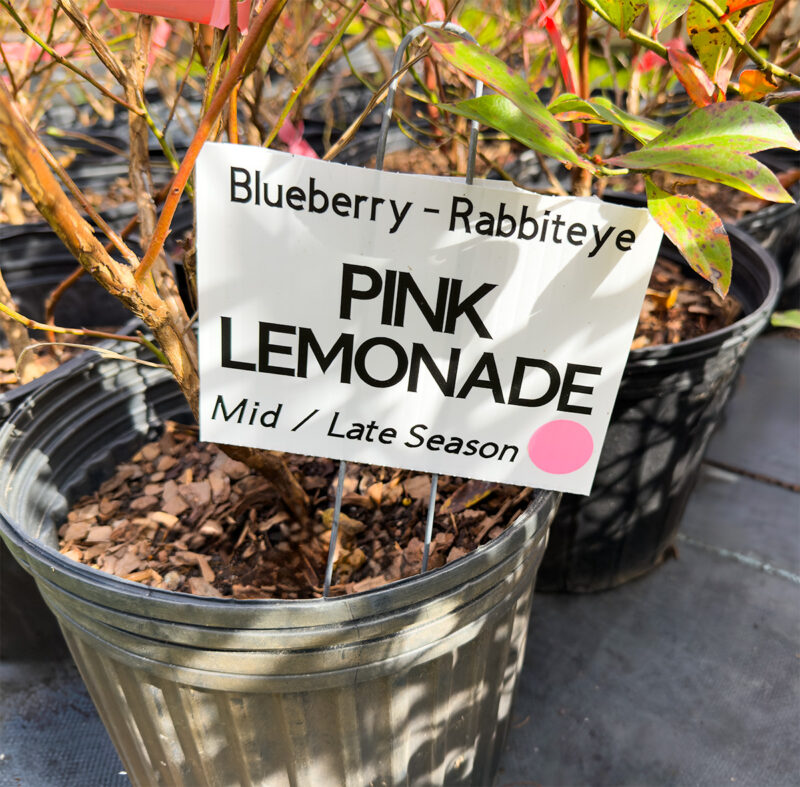
Several varieties of strawberry, blueberry, blackberry, raspberry, figs, and elderberry plants are also available to ship nationwide. “We start shipping in February to our area and throughout the south and ship every two weeks until May to northern areas like New Hampshire and Vermont.”
Roberts also offers a custom growing program, in which any non-GMO and untreated seed can be ordered for transplant production — offering a much wider selection of varieties than commercially produced transplants.
Classes are held at Windcrest Farm for home gardeners, covering a number of topics.
“I want to see people growing at least a portion of their food themselves,” Roberts says. “It’s a basic life skill that most people have gotten away from. As we saw not too long ago, any disruption to the supply chain results in empty shelves. You’re gonna wish you knew how to grow some food.”