

February 3, 2023
Longtime specials see price increases as costs rise
Owners are weighing what to pass on to customers, and what will deter business
by Kristen Wile
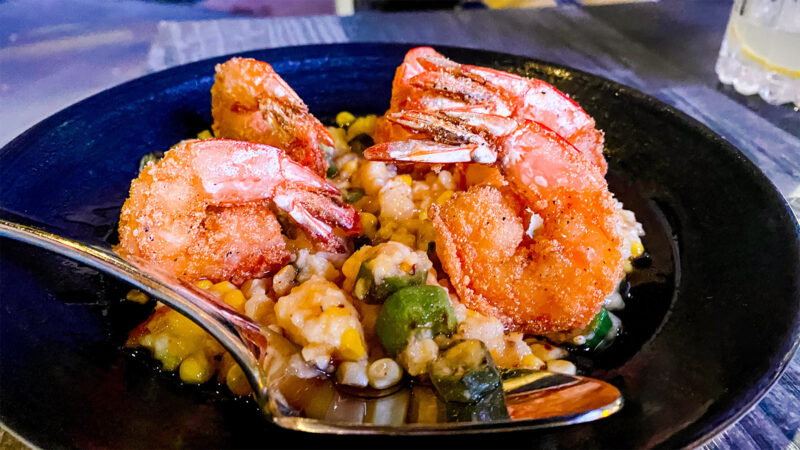
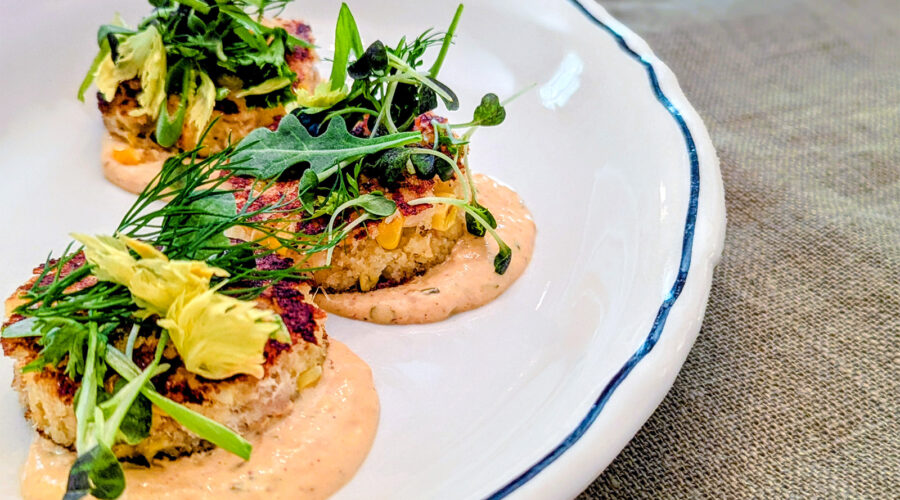
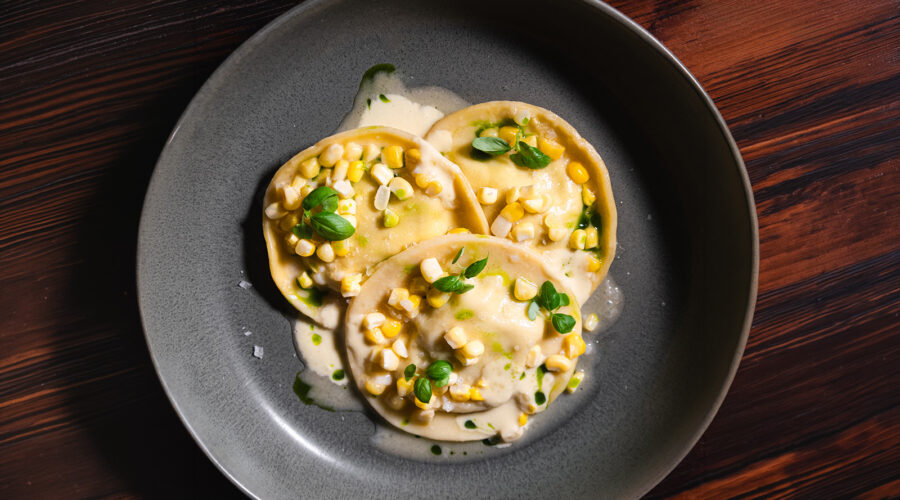
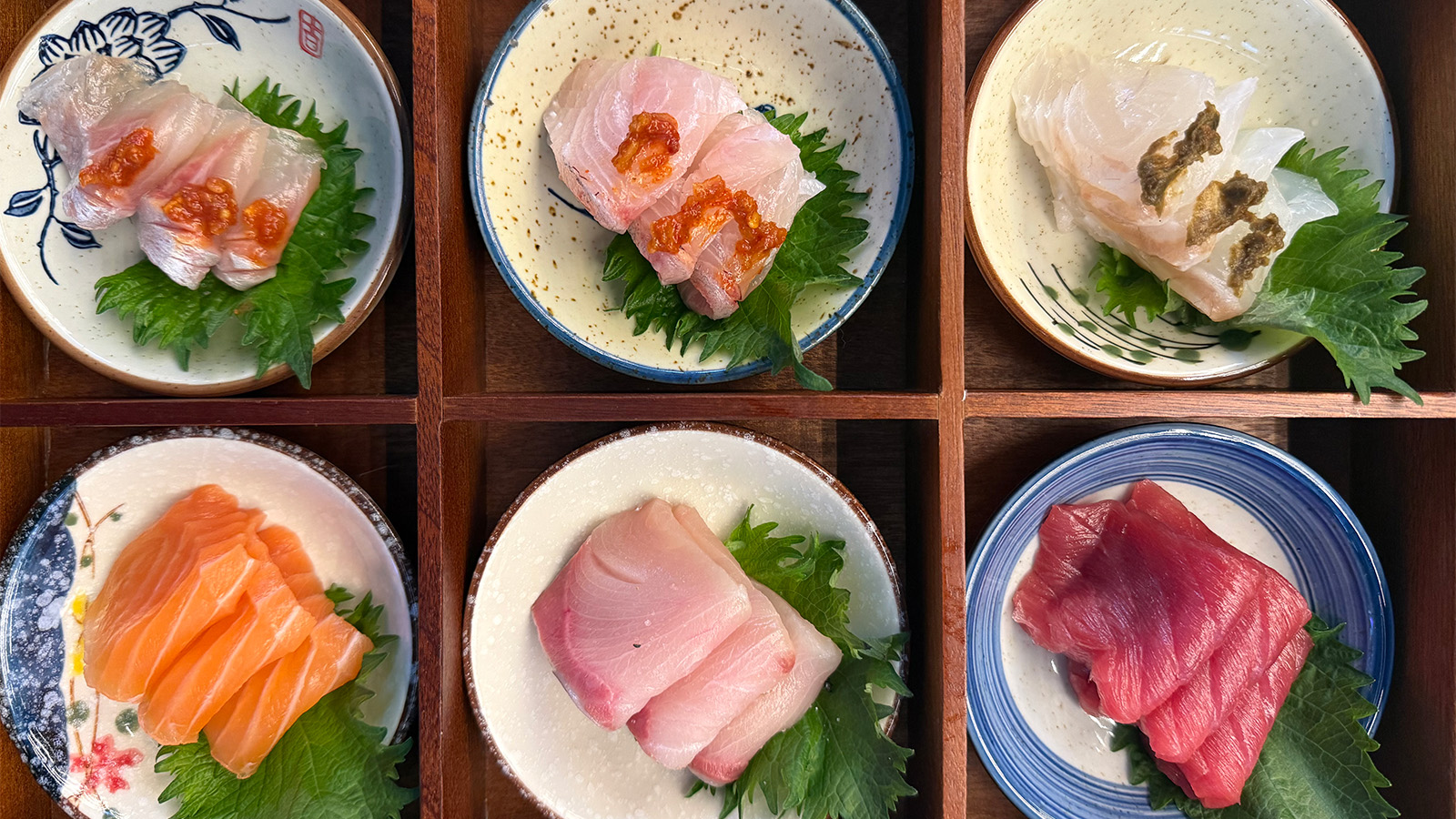
The Treatment at Fin & Fino is a chef’s tasting menu. Kristen Wile/UP
As restaurants continue to see their bills rising for foods they have purchased for years, owners and operators are left with the decision of how much of that increase to pass on to customers. When it comes to specials that restaurants have become known for, restaurateurs have held off on making changes as long as possible. However, many concepts are seeing its no longer sustainable to offer the same discounted prices they did a few years ago.
Paul Manley, owner of Sea Level and The Waterman, works with an oyster farm in Sea Level, North Carolina to source their house oyster, which Sea Level has offered for $1 during happy hour for years.
“I built the first restaurant, Sea Level, around that premise of once they got the farm to a certain level that they could produce enough for it to be a house oyster for a restaurant, then we opened up Sea Level,” Manley says.
Since opening the Uptown seafood spot in 2016, however, the industry has changed — not only for Manley, who now operates Sea Level, multiple locations of The Waterman, and Ace No. 3, but for the purveyor he built his restaurant group around.
“We came up with this model ourselves and it worked for a while,” Manley says. “But then their costs went up. They were producing oysters, but they just weren’t in a favorable situation with what they were getting paid.”
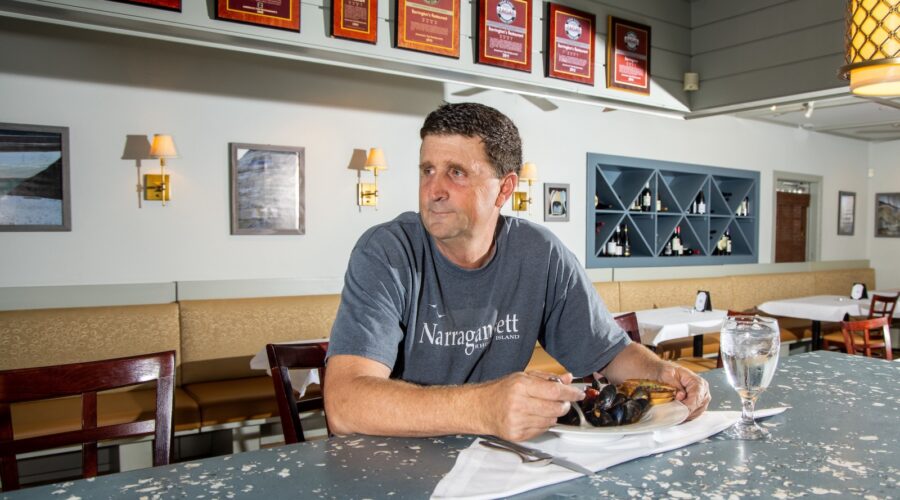
Paul Manley at his restaurant Sea Level NC in Uptown. Photo by Peter Taylor
His team made the decision to increase the oyster’s happy hour price to $1.50 so they can better pay their oyster partners — and he says transparency in that reasoning has helped his customers if not support, then accept the increased price.
On the other end of Uptown, Fin & Fino — the seafood concept from Rare Roots Hospitality — recently upped the price of their chef’s tasting dinner option, The Treatment. General manager Tim Buchanan says that not only are seafood and beef prices rising, but the restaurant is starting to see fuel surcharges tacked on to their order invoices. Because the tasting menu was already seen as a great value, the restaurant decided to raise the price to $70 per person.
“We could start giving a little less food, or we could raise the price a little bit,” Buchanan says. “Based on how much people love The Treatment and all the great feedback we got on it, we just went up a little bit.”
Part of the consideration when pricing The Treatment is the fact that $5 from each dinner sold goes to a nonprofit; the recipient changes each month. Buchanan says they aim to keep the meal at a more affordable price to encourage more sales, enabling them to write a bigger check to charities each month. On an average night of service, Fin & Fino sells about 60 Treatments — resulting in a $300 check to charity per night. This month, the recipient is the Leukemia & Lymphoma Society.
In increasing The Treatment’s price to $70 per guest, Fin & Fino chef Jonny Cox and his team can continue to provide the same level of experience, as well as the same amount of food. This leaves some wiggle room, Buchanan says, for if prices continue to increase; instead of having to increase the price of the meal again, the kitchen staff can work on lowering the food costs.
Both Manley and Buchanan say the cost increases they’ve seen have been steady since the pandemic and the ongoing recovery from it. However, as economy fears also rise, restaurateurs are now facing the possibility of alienating consumers if menu prices get too high. That’s something Manley says has been easier at Sea Level in comparison to The Waterman, as the former restaurant’s brand is built on partnerships with purveyors who provide sustainable, domestic seafood. However, without raising prices, maintaining sales is no longer enough to keep a restaurant afloat.
“We had a solid sales year in 2022, and we had a lousy income year as well, just because of trying to navigate that line between the increased cost of what our procurement, what our grocery bill is, versus perceived value on the plate,” Manley says. “That’s been a ton of work of dancing through that. And honestly, candidly, we were not super successful with that.”