Hidden gem in Charlotte’s Oakhurst neighborhood where the menu is as creative as the food
Hidden gem in Charlotte’s Oakhurst neighborhood where the menu is as creative as the food


The restaurant: The red and green script splashed against the brick front of La Shish Kabob on North Sharon Amity Road sticks out in contrast to the white rectangle placards of its neighbors as if to say, “Stop in and see us.” Once inside, you’ll likely be greeted by the smiling, bearded face of the owner as he tends to the turning spits of meat or grabs massive kabobs from the meat case to prepare them for cooking. The interior is warm and inviting, with a large seating area to the right, and a small, orderly kitchen plastered with images of their most popular dishes behind the cash register where you place and pay for your order. The lilting sounds of Arabic pop music mingle in the air with the smell of cooking meat, baking bread, and pungent notes of garlic, onion, and herbs. Like other eateries in the Eastland area, the straightforward appearance of the dining room gives no hint of the flavorful complexity of the dishes being created in the kitchen.
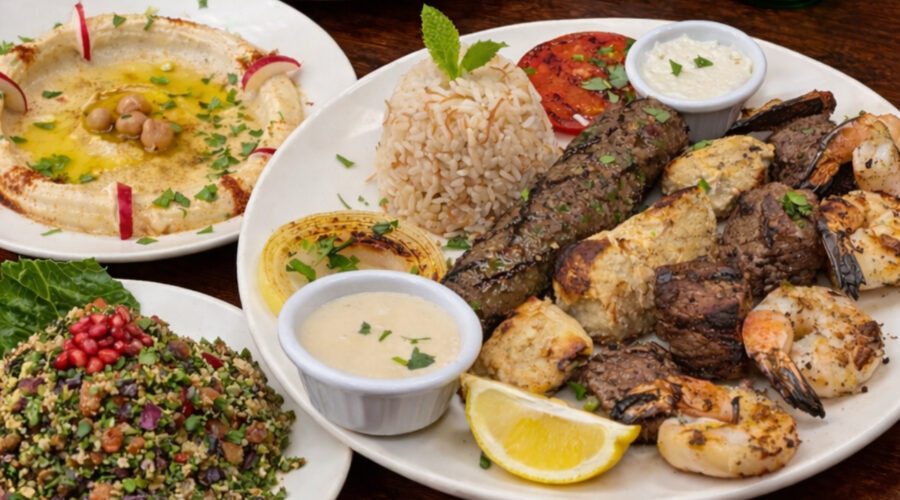
The cuisine: The term Middle Eastern can be a bit of a misnomer. A region comprising more than two dozen rich cuisines doesn’t necessarily make sense as a unified whole, the same way the term Asian food is unfairly generalized. The food at La Shish Kabob would best be described as Lebanese — though the owner, Izzat Freitekh, hails from East Jerusalem — but includes dishes from Palestine, Turkey, and Jordan. What all the dishes have in common is a complex herbal and spice profile, and the fresh, high-quality protein you find at any Halal establishment. Dishes like tabbouleh show off the sparkling, fresh ingredients the region has to offer: parsley, mint, onion, cracked wheat, finely-chopped tomatoes, a splash of olive oil, and a fresh squeeze of lemon juice all served alongside warm, homemade pita. The simplicity of preparation is a deceptive mask for a cuisine that has a deep-rooted knowledge of the vitality of the earth and its bounty, a knowledge that realizes some ingredients are so flavorful, they are best served simply.
Our must-order: Falafel, the world’s first hushpuppy, is too often oil-choked and rendered inedible or so dry it crumbles to dust in your mouth. This is not the case at La Shish Kabob. Here, the falafel is given the respect it deserves, resulting in rich brown ovals with herbaceous, green centers that neither desiccate the mouth or clog the artery. Some of the shawarma kings of Beirut gave birth to tacos al pastor after emigrating to Mexico City. But long before pineapple-topped pork slathered in achiote paste came to dominate the taco stands of the new world, the spits of Beirut spun giant mounds of heavily-seasoned chicken and lamb. Cumin, coriander, garlic, and paprika are rubbed into sliced chicken and built into a small pyramid on a thick, metal spit. The spit turns slowly near a heat source, sometimes coals and open flames, and with each slow pass the meat bubbles, sizzles, and takes on a crispy, outer bark. Kibbeh has a visual resemblance to falafel but is instead packed with bulgur wheat, ground beef, onion and pine nuts and is best doused in quantities of the garlic yogurt sauce and lemon that comes with it. All of the kabobs will satisfy, but none more than the Turkish adana kabob, a rich, meaty blend of lamb and red peppers served over generous amounts of saffron rice.
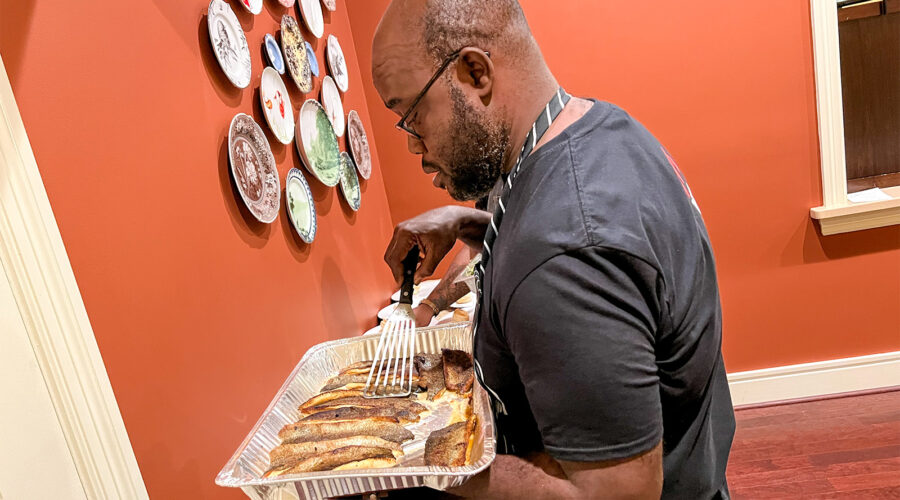
Why we go: The warmth of service and commitment to consistently high quality food set La Shish Kabob apart from other Levantine eateries in the city. It took me several trips to the restaurant to finally work up the courage to talk to the friendly, bearded owner manning the shawarma spit, and once I did, I wish I had done so earlier. Izzat Freitekh has been in the restaurant business for decades, and his cafés in Jerusalem were as popular as La Shish Kabob but situated in the midst of a tense, politically-charged reality that didn’t leave much room for peace of mind. Emigrating to the States provided a new beginning and a chance to share the rich flavors of his homeland. Across several visits to the restaurant across the years, I’ve always noticed the many large families enjoying meals together, several generations coming together to swap stories, catch up, and dote on the children. It would be a cliché to say that I felt at home in those moments. What I did feel was the privilege of being able to experience the richness of the cuisine in Freitekh’s home up close and personal.