Hidden gem in Charlotte’s Oakhurst neighborhood where the menu is as creative as the food
Hidden gem in Charlotte’s Oakhurst neighborhood where the menu is as creative as the food


HB 442 would have severely affected the state’s shrimping industry
by TM Petaccia
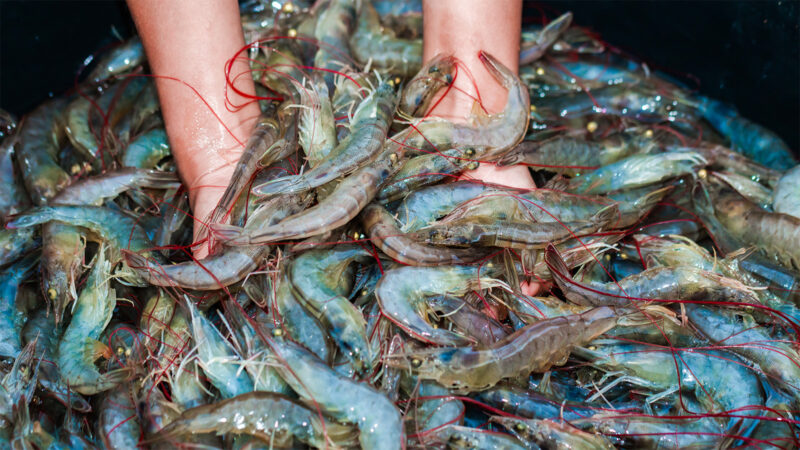
What’s more important: recreational or commercial fishing? Sixteen N.C. House Republicans and one House Democrat sided with the former as the sponsors of House Bill 442. On the surface, HB 442 proposed to increase fishing tourism by re-establishing summer flounder and red snapper season as a way to fend off losing sport fishing business to neighboring Virginia and South Carolina.
However, to allow for the increase recreational fishing, the bill would also outlaw the state’s shrimpers from using trawl nets in any coastal fishing waters located less than one-half mile from the shoreline — something North Carolina shrimpers say will essentially end their businesses.
Yesterday, the state’s shrimpers got the victory.
As a result of social media backlash, onsite organized protests in Raleigh, and in-the-hall lobbying by industry watchdogs, the House’s Republican caucus announced it will not have a hearing on the bill, ending its chances for passing this session, essentially killing the bill entirely.
“This is a great outcome for our industry,” says Shelby White, board member of NC Catch, a nonprofit advocacy group for North Carolina seafood and the people who harvest it. “If the fishermen lose access to our resources, so do the restaurants, chefs, and consumers. It was amazing to see all of the fishermen, their families, and other industry members gather in Raleigh to advocate and fight for their right to work and provide North Carolina seafood to our citizens.”

“I’m excited we will continue to preserve North Carolina’s legacy of quality seafood for generations to come,” says Charlotte chef Oscar Johnson of the James Beard-nominated Jimmy Pearls. “We built our whole business model with Jimmy Pearls by taking pride in sourcing local, sustainable seafood. One of our most popular items off of our truck was the Big Shrimpy with shrimp from Pamlico Sound. A bill like this would have definitely impacted us.”
“I been a proponent of selling North Carolina seafood since 2012,” James Beard Award winner Ricky Moore of Salt Box Seafood Joint in Durham shared on Instagram. “I am a complete champion of making sure that North Carolina fishing folks and their families have sustainability, because if they don’t have sustainability, I don’t have it.”
Large-scale industrial trawling does not occur in North Carolina. The bill would have affected approximately 300 small, family businesses, 80 percent of which use boats less than 38 feet long, and 27 percent of which are less than 18 feet.
The North Carolina Department of Agriculture officially came out against the bill with a letter to the legislature, which read in part, “Closing additional North Carolina waters to shrimping should only be considered if there is a measurable positive impact to marine species … Additional closures of North Carolina waters to shrimping will have a negative effect on the commercial seafood industry and increase our reliance on imported seafood … Policies which continue to restrict consumer access to domestic seafood contribute to national food insecurity and can present food safety issues. Doing so without a sound scientific basis is bad policy.”
Before the tabling of HB 442, in response to the initial backlash, House Bill 441, initially intended to name the Loggerhead Sea Turtle as the official saltwater reptile of the state of North Carolina, was completely rewritten to become the “Shrimp Trawling Transition Program/Fees” bill to create a “transition fund” for state shrimpers who used trawl nets to catch shrimp between January 1, 2023, and June 30, 2025 by increasing coastal and recreational fishing license fees. At this point, HB 441 is moot.
According to House rules, once a bill dies in committee, it cannot be reintroduced, as is, for at least two years. However, there are workarounds, such as incorporating similar language as part as a new, separate bill, or rewording the bill just enough to qualify as a new bill.
“We still have work to do,” White says. “We need to get House and Senate members out on the boats and and show them what we’re all about — and we need to let the consumer know why they should choose local seafood when the opportunity is there.”