

December 19, 2023
How to elevate your meals with beer pairings
It’s time to recognize beer’s versatility with food
By Brian Beauchemin
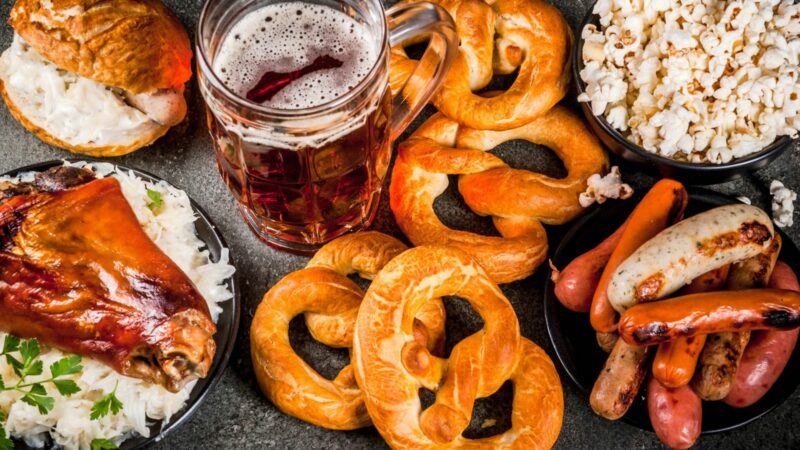
Beer pairings can elevate any meal. Photo by Canva
When most people think about pairing a beverage with food, wine jumps to the forefront of the discussion. The complexity of beer’s flavors, aromas, and bitterness, however, can enhance a meal just as much as the right glass of wine.
Malt flavors include notes of graham cracker, dough, bread, chocolate, and roast, while hops provide tropical or citrus fruits, berries, grapes, and even woodsy aspects. Yeasts, especially Belgian ones, contribute their own nuances, including hints of orange, banana, dates, raisins, and spices with clove or peppery notes. Barrel-aged beers increase the diversity of nuanced flavors even further. With so much variety, beer can pair with just about any dish.
One of the more well-known beer-centric chefs in Charlotte is Gene Briggs, executive chef at Legion Brewing. Briggs was previously the executive chef at Bistro 100, Sonoma, and Blue — places where he often exclusively paired meals with wine. That shifted in 2005, when the Pop the Cap law legalized beers up to 15% ABV (increased from 6%) to be sold and brewed in North Carolina, allowing for a larger, more diverse selection of beers.
“When Pop the Cap occurred, I was suddenly drinking real beer and this was eye opening for me,” Briggs says. “I realized beer would work just as well as any wine when paired with food. My first beer dinner was in tandem with Brawley’s Beverage for Pop the Cap and at the time it was all experimentation, but everything we made just nailed it with the beers.”
Briggs says it’s often easier to pair beer with a dinner. “Wine is very temperamental regarding what you can pair it with,” he says. “For example, you don’t want vinegar anywhere near wine. It’s all about the taste and the beautiful thing about working with beer is that you’re not held back by a lot of things like you are with wine. With beer you can pair anything and it’s almost magical how it all comes together.”
He adds that beer’s carbonation further enhances food pairings. “All those bubbles work with your taste buds and open them up more,” he says, “so you’re tasting flavors better with beer than with wine.”
For Charles Read, owner of Queen City Craft and Gourmet, pairing food with beer is a passion. (Editor’s Note: Queen City Craft and Gourmet closed in February 2025) He’s a Johnson & Wales graduate with almost 30 years in the restaurant industry. “Beer pairings are absolutely fun,” he says. “Setting a menu and then focusing on both the foods and the beers that will elevate the entire experience. Everyone can think back to when they tried certain foods, like an oyster, with a wine and the experience they had with it. The combinations are endless, and we want to do that with beer.”
He recalls once struggling to finish Left Hand Brewing’s Smoke Jumper, an extremely smokey beer. After taking a few bites of pretzels with beer cheese, he realized how the food cut the thickness of the smoke and made the beer much more enjoyable. The experience helped him see the potential beer had when paired with food.
“Compared to wine, beer is more neutral, plays better. It’s hard to find an offensive pairing or something where it just doesn’t work, while wine is very easy to mess up a pairing,” Read says. “With beer, you have moments where you realize there’s something more than just the food. It’s like music where you hit those high notes with certain pairings and they take you to another level.”
As we head into the holiday season, with a world of wonderful foods and beers at our fingertips, we asked both chefs for their pairing advice. You can also find a helpful reference chart from the Brewer’s Association.
How do you approach pairing food with beer?
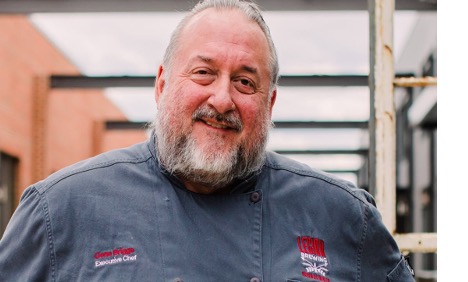
Chef Gene Briggs of Legion Brewing. Photo courtesy
Briggs: There’s no definitive set of rules I follow when utilizing beer in our menu. We consider both the beer’s characteristics and the food’s flavor profile and look for appealing combinations.
Read: Really the only general rule I have with food and beer pairings is have fun with it. Try various pairings to see what works and what doesn’t – tasting throughout helps confirm or deny any preconceived notions. At the end of the day, if you like it, it’s a good pairing!
What’s your favorite beer to pair with foods?
Briggs: Legion’s Irish stout, Slainte, is one of the best, and most diverse, food pairing beers available. It’s a lighter stout, and because of all its characteristics, we’re able to work magic with it. The beer melds with big fatty dishes but also works with hearty salads, even ones with vinegar dressings, and grain bowls.
Read: My go-to beer is a Belgian triple. If you’re not positive about what to pair a dish with, then a triple will answer the question because of its complexities — the malts, hops, and yeast all playing coordinated parts. Allagash Curieux, a barrel-aged triple fermented with three yeasts, tops my list because its nuanced complexity allows for a range of pairings.
What do you like to pair with lighter foods?
Briggs: A pilsner’s light flavors work well with lighter dishes like soups, and even stuffing.
Read: I enjoy lighter wild ales, sours, or hefeweizen with various salads.
How about for heartier dishes and meats?
Briggs: We’ll use a hoppy brew to tone down the fattiness of foods like short ribs. Big stouts or porters can be paired like you would any big red wine: braised meats, ribeye steaks, game dishes. With turkey, instead of sweeter white wines, like maybe a Reisling, a beer like Juicy Jay with a slight sweetness or Hop Chiller with its hop flavor and bitterness both work well.
Read: We try to take a beer that would normally be associated with dessert and do it mid-dinner. Maybe a coffee-rubbed tenderloin or lamb with a stout.
Which beers do you prefer with desserts?
Briggs: Big, dark beers blend well with chocolate desserts, but then IPAs such as Juicy Jay pair well with a tropical dessert such as a mango mousse or a tart.
Read: I prefer to avoid the typical stout with chocolate dessert course. We like pairing with a sour, golden ale, Belgian or even barleywine.
What about side dishes or other foods?
Briggs: Cranberries work with Slainte as the sweetness and astringency of both meld well together. Green bean casserole with crunchy onions and mushroom flavors also blend well with this stout. A big creamy stout pairs well with vibrant foods having sweetness and big flavors.

Charles Read, owner of Queen City Craft. Photo courtesy
Read: I really appreciate cheese pairings. Beer can become more complex when paired with the right cheeses. Curieux with a funky blue cheese is perfect for snow days. Brown ale with gouda is fantastic because the cheese’s richness blends perfectly with the roast of the brown ale.
Final Thoughts?
Briggs: You can do just as well with beer as you can with any wine out there. I love wine but I love beer just as much and we’ve been able to work it into higher end dining. I wish more people would open up and really understand this. Food helps take the beers to a different level and vice versa. It’s all about finding the right mix for something that is absolutely awesome!
Reid: Beer dinners may be a little trickier sometimes depending on the food but they are way more rewarding than wine. What I enjoy about those dinners is that they give people an opportunity to try things they normally wouldn’t, such as mussels, octopus or even kangaroo, and watching them understand that with the right the beer it’s an enlightening combination.