Hidden gem in Charlotte’s Oakhurst neighborhood where the menu is as creative as the food
Hidden gem in Charlotte’s Oakhurst neighborhood where the menu is as creative as the food


Groups like Frontline Foods support healthcare workers and small businesses
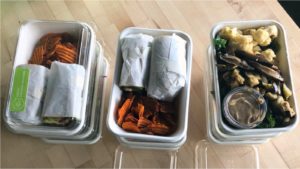
Meals from Chef Alyssa’s Kitchen are among those delivered to health care workers. Photo courtesy of Chef Alyssa’s Kitchen
Restaurants are used to supporting nonprofits, acting as the big draw for some of the city’s most popular fundraising events. As the Covid-19 pandemic decimates the restaurant industry, however, restaurants are finding themselves as the recipients of non-profit support.
Organizations such as Frontline Foods and World Central Kitchen have expanded to Charlotte, paying restaurants a fair rate to cook and deliver meals to frontline and healthcare workers. The two non-profits have since merged, with Frontline Foods becoming part of World Central Kitchen. For the restaurants lucky enough to be involved with them, the meals have become a dependable form of income even through the uncertainty of the pandemic.
Frontline Foods kicked off in late April, with restaurants such as Chef Alyssa’s Kitchen, The Dumpling Lady, 300 East, and Leah & Louise serving prepared meals to hospital workers.
“The idea is just brilliant because there are healthcare workers who need healthy meals to keep them going through their long shifts and to keep them healthy,” says 300 East co-owner Ashley Boyd. “Then there are restaurants that are obviously struggling and need those sales and want to serve the community, but aren’t necessarily positioned to do so right now financially.”
In its 20 weeks of operation, according to Frontline Foods Charlotte’s Marcia Merrill, the group has raised more than $150,000, which has paid for nearly 10,000 meals from local restaurants to be given to healthcare workers. When restaurants were shut down, Boyd says, a Frontline Foods order would be equal to an entire day of takeout sales at her Dilworth restaurant.
Alyssa and Andrew Wilen of Chef Alyssa’s Kitchen also had to shut down their biggest revenue streams in March, and found relief from Frontline Foods orders.
“That really sustained us because we weren’t doing any cooking causes, no brunch, no catering,” Andrew Wilen says. “So it was pretty much all our kitchen was doing, along with Family Table Meals.”
The Wilens also worked with several loyal customers — whether businesses or cooking class regulars — who paid Chef Alyssa’s Kitchen to provide meals for frontline workers on their behalf.
The meals provided enough revenue to help keep restaurant employees working. Lewis Donald, owner of Sweet Lew’s BBQ and Dish, says he was able to rehire two employees thanks to the meals he provided to Heal Charlotte.
“We were doing five or six hundred meals a week,” Donald says. “It wasn’t a ton of money, but in order to do it, I needed to hire people.”
He’s now working with World Central Kitchen, Jose Andrés’ non-profit hiring chefs to feed communities in need, whether from the pandemic, natural disasters, or the recent explosion in Beirut.
Donations have slowed down to organizations like Frontline Foods, however, and many of the restaurants who relied on the funding early on are seeing less of it. Merrill says her group has seen fundraising dry up.
“We understand that our community is experiencing fundraising fatigue,” she says. “At this moment, COVID-19 doesn’t seem so critical and the enthusiasm for feeding the frontline workers has tempered a bit. We are also receiving requests to pause or altogether cancel meal deliveries.”
Part of that, Alyssa Wilen believes, is because restaurants are opening again, and families are facing struggles of their own as kids return to school virtually. Though restaurants have always seen a downturn in the summer, she says, this year that downturn was felt even more as some people left town, and others stayed hunkered down in their own homes. The initial urge to support small businesses has been tampered by the stress of managing work and family and school during a pandemic.
“I think people are experiencing their own struggles on another level, and it’s just not really on their radar as much,” Wilen says. “And they probably assume since places are starting to open back up, that they’re not worried about it as much. But as you can tell, now is the time places are closing.”
Restaurants are now getting one or two orders a week in various sizes. And though the orders have slowed down, the restaurant owners are grateful for whatever they get.
“We’re the charity right now,” Boyd says. You can donate to Frontline Foods here.