Hidden gem in Charlotte’s Oakhurst neighborhood where the menu is as creative as the food
Hidden gem in Charlotte’s Oakhurst neighborhood where the menu is as creative as the food


Jill Marcus shares why making a profit at a vegan restaurant is difficult
by Kristen Wile
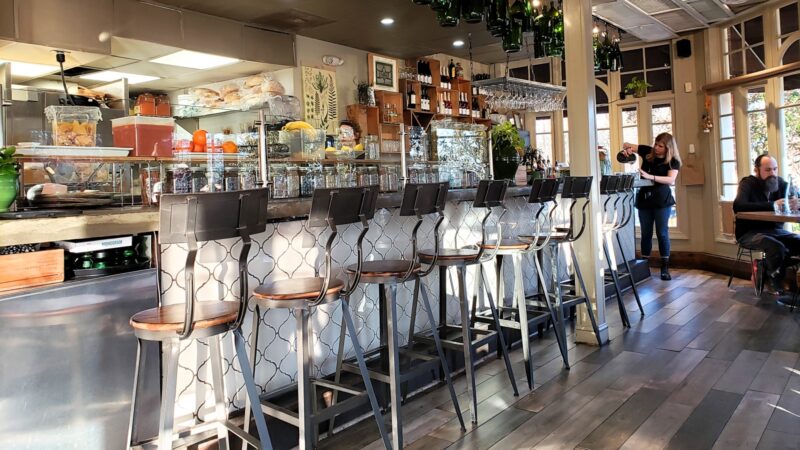
Fern, the longtime vegan fine dining concept from Mother Earth Group, announced it would close its doors this month in Dilworth. Fern opened in 2011 in Plaza Midwood before relocating to its current location in 2016. We spoke to Jill Marcus, president of Something Classic and Mother Earth Group, about the decision to close the restaurant, the viability of vegan restaurants, and how the city has shifted in her many years in the hospitality scene.
Unpretentious Palate: Let’s start with Fern’s closure. How long have you been thinking that was a possibility? And how did you come to decide to close the restaurant?
Jill Marcus: So we’ve been in business for 14 years, which is a pretty long time in restaurant speak. We’ve been successful there and supporting it but probably have not been making money since 2018. So it’s really been a, I won’t say struggle, but we’ve just been supporting it because we thought it’s an important thing to do and it’s part of our Mother Earth Group mission. But it’s, you know, it’s tough. A vegan restaurant is a tough thing to be.
In any restaurant, the most important thing is how many people, how many diners can we get in there? And then the other one is how much they spend. Those are the two things that you really can control. You know, push your labor, you know, push your food. Just the econofmics of a vegan restaurant have gotten really tough, especially since pandemic. Vegans in particular and vegetarians don’t drink as much, because they’re healthier eaters. Our alcohol sales were 10%. Just the economics of that. You can only charge so much for vegetarian food, be it Urban Gourmet Farms mushrooms or from local farmers. Our average ticket was $35. Since the pandemic, we’ve been building sales. It was kind of a struggle there for a while, as it was for everybody. But, you know, if you want to pay somebody a living wage, that is just not enough in a business and in the restaurant business. And the Mother Earth Group has been supporting this endeavor for many years, and I’ve been thinking about this for about a year. It was time. It’s on our terms. It was nothing that we had to do. We do have a buyer for the location, not for Fern, unfortunately. It was just a good time.
UP: You mentioned Mother Earth Group has been supporting the restaurant for a while. It sounds like, to you, having a vegan restaurant was particularly important. Is that accurate?
JM: It’s fair. We have a garden that we support. We have honeybees. We have lots of things that we do that don’t turn a profit per se but they’re important for us. But sometimes the numbers can get to be really big.
UP: If Fern weren’t a vegan restaurant but another concept that wasn’t working out, would the decision to close have been easier?
JM: No. Any time you open a restaurant for me, they’re like children. So you nurture them. I don’t give up on things. We’ve rebranded. We actually rebranded twice. We’ve put lots of different chefs in there. The team has been working really hard at it and they’ve been improving. Just the economics of it do not work.
UP: In its early years, Fern was working well. What has changed to make it no longer perform as well financially?
JM: After the pandemic salaries got to be more, food got to be more expensive. Really, how much am I going to charge for buffalo cauliflower? I’ve got some specials that are on our menu now that are $30. That’s a lot in that particular market. Our other restaurants, our average dollar tickets $50, $60, $70. People feel better about paying more for protein. I don’t know why.
UP: Why did you make the decision to sell the restaurant versus opening a different concept?
JM: That restaurant’s small. It’s 36 seats inside. A couple of people have come and looked at it, and the gentleman that’s going to be there coming up, he’s just got a higher average ticket and he wants to do something very similar. And these are all restaurateurs who are actually going to work in the restaurant. They’re going to be the chef. They’re going to be the chef owner. In a smaller concept like that, it needs to have somebody that is hands on and a working chef or working manager.
UP: You’ve been in the restaurant industry here for a long time. What’s your overall perspective on Charlotte’s restaurant scene from when you first opened Halcyon to today?
JM: We changed the Halcyon after ten years, so it’s Mariposa now. I think that people don’t want fancy. They want a place to gather. I think that the restaurants that are more successful are not the ones that are the higher ticket ones. They want to build on the menus. I think people that are going out are younger. And they want something that’s vibrant and new and fresh. They see recipes and stuff, and they’re great cooks because they can do it all on TikTok and Instagram.
They want more than they used to. There’s a higher level of expertise and presentation that’s involved in restaurants these days. And it is harder and harder to get qualified chefs that actually want to do the grind. If you’re a chef, it’s a hard job. They work late, a lot of pressure. They don’t get to see their families as much. I think it’s a harder sell to get really good, qualified chefs. A lot of the smaller restaurants we see, they are very chef-driven and the chef/owner works there. You know, it’s part of their heart and soul.
UP: That’s a lot of a restaurateur to manage. Do you still feel like you have the same passion that you did, starting out?
JM: Oh yeah, I love it. I love it. We’re just coming off of Coquette, and I’ll be working on a lot of operational things, and I’ve got a new restaurant I’m already digging into that’s exciting. I think restaurants, about ten years is really the lifespan of a restaurant. I think people kind of get tired. They try new things, they want to go somewhere new and they have their old favorites. But ten years, you can see the sales kind of like start dipping, dipping, dipping. So you’ve got to come out strong in that first two years, or else people are on to what else is new. There’s so many new restaurants that are out there, I can’t even keep up with it.
UP: If you’re opening a new concept — even considering the difficulty of staff and costs — you must still feel confident in the industry. What adjustments are you considering as you look at opening a new spot?
JM: The bar. You’ve gotta have a good mix in the bar and a good concept for the bar. At Fern, we had a great mixologist, making fresh drinks, fresh mocktails. That market just did not want to drink. They’re just healthy and younger and didn’t want to spend as much.
In a new concept, I try to keep things smaller plates so that everybody can come. If they want to order more, then they can order more. This one might have a sangria component to it. I like it when you can add to it. You can something for $10 or if you have a big table of people, you can just order, order, order. And that’s fun. That’s how I like to dine.
UP: I think a lot of times people don’t realize how necessary a good bar program is to the profitability a restaurant.
JM: Our other restaurants, 45% of our sales are the bar.
UP: What are the last thoughts you’d like to share about Fern?
JM: I’m just so proud of the people that put their their heart and soul into that place, because when Fern was at its height, there were no other vegetarian-vegan restaurants doing what we were doing. And I don’t know, maybe other vegan restaurants are closing for the same reasons. It’s sad, and I hope that somebody will pick up the torch.