Hidden gem in Charlotte’s Oakhurst neighborhood where the menu is as creative as the food
Hidden gem in Charlotte’s Oakhurst neighborhood where the menu is as creative as the food


Our resident nutritionist shares how to make healthier choices

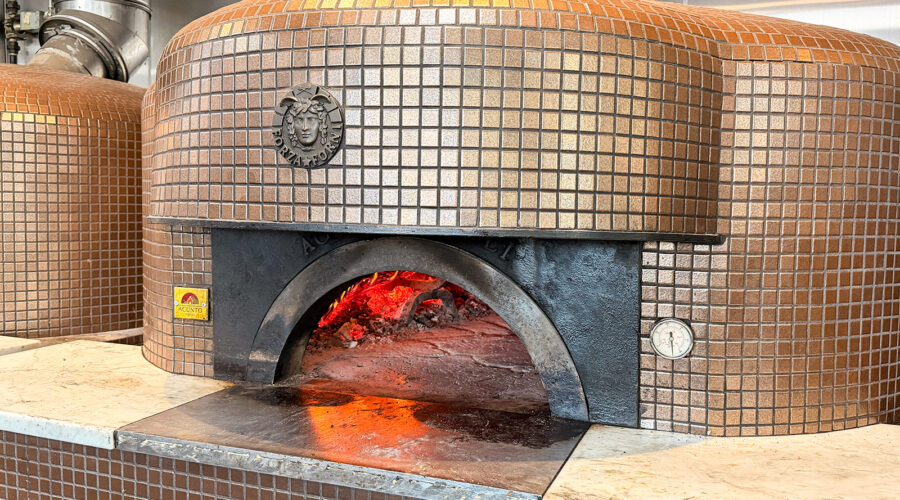
The Fire & Ice ramen at Futo Buta. Kristen Wile/UP
Entering a ramen house and asking for the dish without noodles is ill-advised. After all, most translations of “ramen” involve some derivation of “noodle.” People do this, though, as a weight loss strategy when trying to avoid carb overload; however, ramen noodles –– bathed in a richly flavored broth, complemented with tender vegetables, savory meats, and soft-boiled eggs –– are part of the full experience. There are even gluten-free alternatives for those with celiac disease or sensitivities and allergies. It is possible to be health conscious and slurp those delicious tendrils, such an integral part of the dish’s joy.
Eating well, with a focus on wellness, is attainable with nearly every cuisine. It just requires moderation versus deprivation and a little nutrition savvy. As a certified nutritionist, I’ve learned that while caloric values matter, so do other considerations: sodium levels, added sugar, types and amounts of fat, cholesterol, vitamin and mineral content, and satiety for starters. The goal of “Eat This and That” is to help UP readers navigate the food and beverage scene in Charlotte, armed with enhanced dietary knowledge and confidence. We want to empower readers to attend to health goals while still enjoying area restaurants with the input of a certified nutritionist (that’s me) and culinary professionals — in this case, chef/owner Michael Shortino of Futo Buta, one of Charlotte’s original ramen restaurants.
Shortino grew up cooking American-Italian fare in his family’s restaurant and was ready to move in an entirely different direction when he set out on his own. As he explored the Japanese restaurants of San Francisco, Phoenix, Los Angeles, and New York City, he became increasingly drawn to their techniques. “Working with Japanese sushi chefs and working with other chefs experienced in this cuisine, I fell in love with the culture of the food,” he says.
Even though he opened Futo Buta in spring 2015, it was during those earlier work and travel experiences when Shortino began developing his ramen concept. Within six months after he moved to Charlotte to open Baku, a rare snowy weekend got him thinking the city might be ready to warm up to a ramen experience, one beyond fast chain concepts. Now, ramen is becoming increasingly popular in Charlotte with additions like the JINYA Ramen Bar and Silverlake Ramen franchises.
“Ramen is clearly expanding on menus,” Shortino says. For him though, ramen is a focus rather than an afterthought, and his menu emphasizes quality over quantity. That’s why he offers only about five ramen options and avoids mass-produced ingredients. “We focus on ramen. That’s all I do. It’s fresh. That’s what we’re about.”
From bowl to broth, Shortino uses local, organic, and made-from-scratch ingredients. He prepares the ramen noodles in-house using Lindley Mills flour, sources the pork from Hickory Nut Gap farm near Asheville, and even serves his meals in handmade pottery from artist William Baker of Bakersville, N.C. While Shortino’s favorite menu item is the Buta Bowl containing double noodles, duck confit, and plenty of pork, he is aware customers desire healthy alternatives. That’s why he added to the menu a vibrantly-colored and still complex vegan bowl. Shortino is not vegan, but he does try to take a healthier eating approach too at times by requesting half-portions of whatever he orders for himself from the kitchen crew.
“Gorging is the problem,” he says. He and I are in agreement there. One of the most doable ways to attend to your healthier eating goals is to eat reduced amounts. Request a to-go container when placing your order and set some aside before digging into that steaming bowl of comfort.
Of course, there are other practical approaches too.
Here is our nutritionist’s Eat This and That guide to ramen.
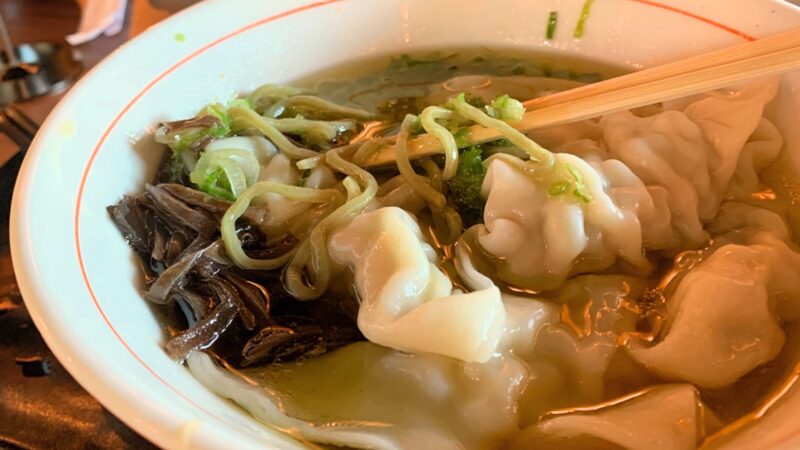
JINYA Ramen Bar offers kale noodles as a healthier alternative. Shannon Blair/UP
Here’s our advice on what to feel good about, and what to save for special occasions.
To help you along in your next ramen adventure, below are some healthier ordering options (our Eat This picks), as well as some indulgences (And That), when visiting Charlotte ramen shops. It’s okay every now and then to go for more decadent ingredients like fried additions, duck confit (cooked in its own fat), coconut milk or cream-based broths, and infused oils for flavor kicks. Just be aware that these preparations are typically going to be heavier in cholesterol, saturated and trans fats, added sugar, and sodium. Savor them as the treats they are. All in all, a healthy relationship with food steers away from good/bad labels and focuses more on enjoying reasonable choices, with the occasional indulgence thrown in.
Futo Buta (South End)
Eat This:
And That:
JINYA Ramen Bar, Uptown (with a SouthPark location coming early 2022)
Eat This:
And That:
Saru by Bow Ramen, Camp North End
Eat This:
And That:
Sheng Ramen, Ballantyne
Eat This:
And That:
Yume, South End
Eat This:
And That:
Stay tuned for the next edition of UP’s “Eat This and That” column, where I will examine a different dining out food focus. Have a request? Let me know in the comments.
Disclaimer: The information contained here is of a general nature to provide research-backed educational content. It is not intended to offer professional medical diagnosis and treatment. While a certified nutritionist produced this article, your specific needs may or may not apply. Consult your team of professional healthcare providers with health concerns or questions.