

June 2, 2022
Eat This and That: Italian Edition
Our resident nutritionist shares how to make healthier choices
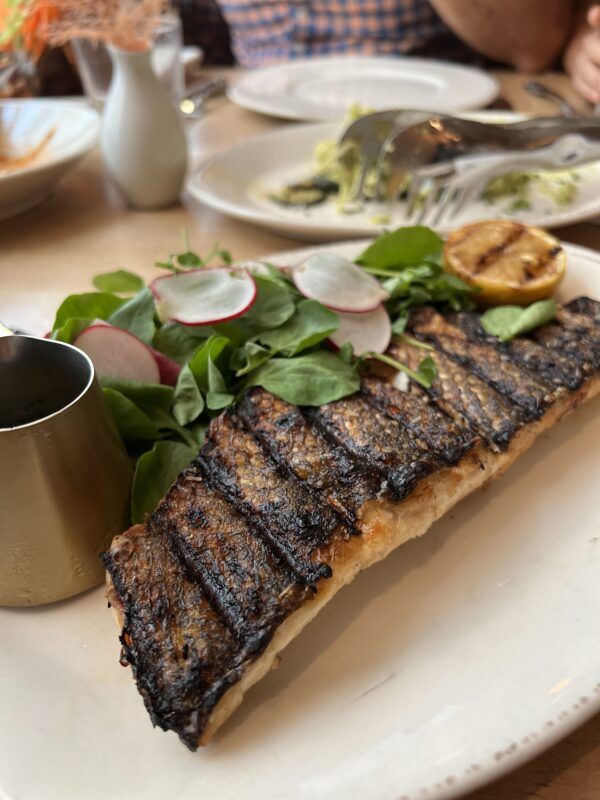
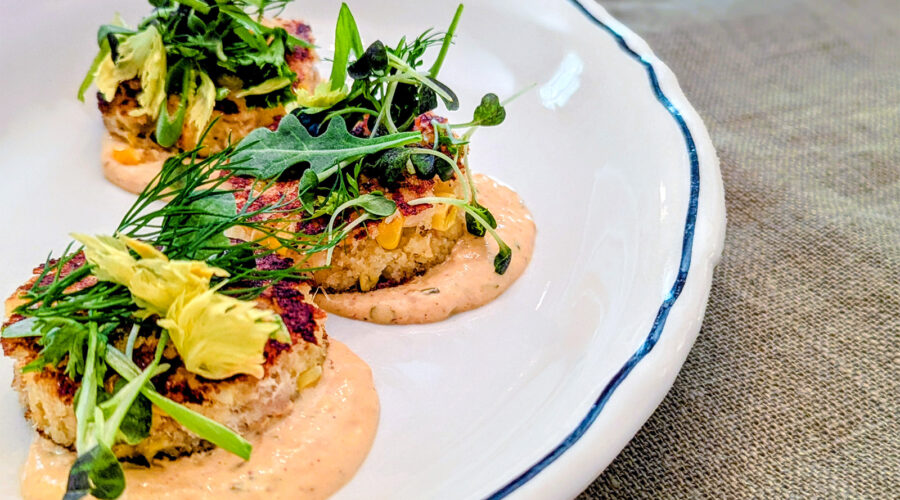
Branzino from Ever Andalo in NoDa/Photo Courtesy
By Shannon Blair
It’s easy to go overboard on carbs and fats while dining on Italian. After all, this fare is often served family-style with rich sauces, gooey cheeses, and overflowing plates of pasta. Still, the Mediterranean diet continues to be hailed as one of the few sustainable diets worth consideration.
Italian cuisine is at its healthiest when chefs showcase the fruits, vegetables, beans and legumes, lean protein like chicken and seafood, whole grains, and moderate use of olive oil inherent to many of Italy’s authentic dishes –– while downplaying the roles of beef and pork, heavy cream and cheeses, refined pastas and breads, and sugar, as well as battered and fried cooking methods.
Eating well, with a focus on wellness, is attainable with nearly every cuisine. It just requires moderation and a little nutrition savvy. As a certified nutritionist, I’ve learned that while caloric values matter, so do other considerations: sodium levels, added sugar, types and amounts of fat, cholesterol, vitamin and mineral content, and satiety for starters. The goal of “Eat This and That” is to help UP readers navigate the food and beverage scene in Charlotte from burgers to ramen, armed with enhanced dietary knowledge and confidence. We want to empower readers to attend to health goals while enjoying area restaurants with the input of a certified nutritionist (that’s me) and culinary professionals — in this case, executive chef Cory Owen of Ever Andalo, the Italian restaurant concept reinvigorating the space formerly known as Crêpe Cellar, in NoDa.
“Unfortunately, Italian food does have a bad reputation for being very heavy and unhealthy,” Owen says. “In actuality, though, Italian food is so much more than that. It is very pure and fairly light a majority of the time.”
Owen served as executive chef at Raleigh’s Barcelona Wine Bar before coming to Charlotte. He brings to Ever Andalo experience in high-volume Italian cuisine. His dishes are “about not what can we put in, but what can we take out,” Ever Andalo owner Jeff Tonidandel says.
“Italians are passionate and proud of their dishes and food made in their regions,” Owen says. “True Italian food extenuates the very essence of a specific region and highlights the produce that is in season and locally grown. Like Italian wines, you can get a true flavor of the food from its terroir.” Tonidandel and Owen aim to emphasize the D.O.P. (Denominazione di Origine Protetta, locally grown and packaged) Italian ingredients in their food service. The restaurant offerings lean away from cheese-laden pizzas toward more delicate seafood dishes, interesting charcuterie, and housemade pastas.
What might you order when you visit to eat with moderation in mind? At Ever Andalo, it’s important to adjust expectations of what healthy portions are and put the focus on being present in the moment’s dining experience. This is Owen’s advice: “I believe our dishes are very well-balanced and portioned properly. There is just enough food plated, but what’s there is jam-packed full of flavor. Most places tend to over portion the pasta, leaving people to take it home to finish at another time. We very much want you to enjoy the dish here in our restaurant and get the full effect of what we are trying to do –– transport you to Italy through our food and ambiance.”
There are other practical approaches to take. Here is our nutritionist’s Eat This and That guide to Italian.
- Grow your definition of “Italian” eats, and shrink your plate. Soups, seafood, and plant-based dishes may not be what comes to mind when you think of classic Italian, but they are indeed Italian meals. Steamed mussels, grilled octopus, minestrone, and broccolini romesco are more authentic than pizza.
- Skip the family-size upsize, and try sharing an over portioned pasta plate lady-and-the-tramp style.
- Allow cheese to serve as garnish. Parmesan crisps, melted mozzarella just on top, and lightened versions of ricotta are all ways to enjoy cheese less liberally.
- Steer toward red sauces. While some can have high levels of sugar, they tend to be more veggie heavy and leaner than cream and olive oil-based sauces. Pestos and piccatas can also have high levels of olive oil and butter, so enjoy them but in less heavy applications. No one will be upset if you discreetly scrape all that sauce to the side for a little dipping instead.
- Consume small amounts of healthy fats. Those pine nuts and olives can improve your brain, heart, and gut condition; however, too much of these can lead to weight gain since fats are calorie dense (about twice as many as proteins and carbs). Still, fats have their place in our protective health; we just need to learn how much we need. 44 to 77 grams of fat per day on a 2,000 calorie per day diet is a common recommendation for adults. What does that look like for common Italian ingredients? 5 grams of fat = 8 to 10 olives, 4 walnut halves, 16 pistachios, 1 teaspoon of olive oil, and 2 tablespoons of half and half. Learning how to translate menu descriptions also helps. “Breaded,” such as with eggplant or chicken parmigiana, typically involves frying in fat to finish.
To help you along in your next Italian adventure, here are healthier ordering options (our Eat This picks), as well as some indulgences (And That), when visiting some Italian establishments in Charlotte. It’s okay every now and then to go for more decadent ingredients. Just be aware that these preparations are typically going to be heavier in cholesterol, saturated and trans fats, added sugar, and sodium. Savor them as the treats they are. All in all, a healthy relationship with food steers away from good/bad labels and focuses more on enjoying reasonable choices, with the occasional indulgence thrown in. Here’s our advice on what to feel good about, and what to save for special occasions.
The Jimmy’s grilled octopus with marinated butter beans. Shannon Blair/UP
Ever Andalo, NoDa
Eat This: Branzino (European bass) with white balsamic mignonette, shaved fennel, and watercress. Note: If you don’t prefer fish, try requesting this dish prepared with chicken instead.
And That: Sunny Cavatelli with housemade pork sausage, broccolini, sundried tomato cream, and parmigiano reggiano
Osteria LuCa, Montford
Eat This: Pan-seared salmon with apple and celery root purée, pickled beets, fennel, and roasted carrots.
And That: Wild mushroom ravioli with ricotta, spinach, and marsala cream sauce
The Jimmy, Myers Park
Eat This: Grilled octopus with marinated butter beans paired with the local lettuce salad
And That: Grilled Joyce Farms pasture raised 18-ounce sirloin with arugula pesto and shallot agrodolce.
Little Mama’s, SouthPark
Eat This: Ziti al telefono with tomato, basil, Calabrian chili, and mozzarella
And That: Fettuccine with Italian butter and parmesan, Pugliese-style with truffled breadcrumbs, add sausage
Wondering about that glass of red with your meal? There remains debate as to whether the polyphenols (plant compounds found in the grapes) are significant enough to improve wellness. The health gains may derive more from responsible everyday consumption and pour amounts than what’s actually in the glass. “People who drink wine are more likely to do so as part of a healthy pattern, such as drinking a glass or two with a nice meal,” Dr. Kenneth Mukamal, an internist at Harvard-affiliated Beth Israel Deaconess Medical Center, says. “Those habits—rather than their choice of alcohol—may explain their heart health.”
Stay tuned for the next edition of UP’s “Eat This and That” column, where I will examine a different dining out food focus. Have a request? Let me know in the comments.
Disclaimer: The information contained here is of a general nature to provide research-backed educational content. It is not intended to offer professional medical diagnosis and treatment. While a certified nutritionist produced this article, your specific needs may or may not apply. Consult your team of professional healthcare providers with health concerns or questions.