


March 13, 2019
Cookbook review: Bruce Moffett Cooks
Two books in one, will we see a full memoir from Bruce?
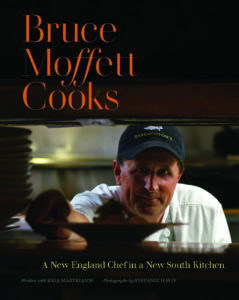
The cover of Bruce Moffett Cooks. Photo by Stefanie Haviv
When I read a cookbook, I follow four ritual steps. 1) I quickly scan the entire book, flipping through pages to see photos and the amount of words to get me excited. 2) I read the contents and introduction to get a feel for what type of cookbook I have in front of me. 3) After a day’s break, I come back to the book and begin reading the chapter descriptions and random anecdotes for recipes and personal stories. Finally, I read the recipes and pick a few standouts and make them. As a self-taught pastry chef who learned through reading cookbooks at home, I review cookbooks under a microscope to see how relatable and approachable they are for home cooks. I want to know if they encourage any cook, novice or professional, to expand their knowledge and feel comfortable trying something new.
(You can purchase Bruce Moffett Cooks at any of Bruce’s restaurants or here.)
When I was handed Bruce Moffett’s new cookbook, Bruce Moffett Cooks, and asked to review it, I followed the same format I do at home when reading cookbooks leisurely. At first glance, I thought the cookbook looked like a textbook, the photos and format were standard and I saw a lot of text. I was slightly intimidated and had a wave of post-college anxiety crash over me as I prepared to read. I did not hesitate to read the contents and introduction; I was not about to pass judgement on this cookbook until I really knew what type of book Bruce created. Flipping to the contents, I was stunned to see 11-plus chapters and 120 recipes. This book is loaded. Something unique that I have not seen in a cookbook is a callout in contents to sidebars, short personal stories from the author. Typically these stories are included in the chapter descriptions and scattered in the brief blurbs of recipes rather than their own separate pages. My first thought was, “what has Bruce done?”
After taking a day to digest the amount of recipes I was about to read, I opened the book and read cover to cover. I then read the book just for recipes. Then read just the sidebars. What Bruce has done is create two books in one: a collection of recipes from all three of his restaurants and a brief memoir documenting his chef journey establishing himself in Charlotte’s young culinary scene and the role he has played seeing it grow. Separately, I enjoyed both. But, I wanted to read more about Bruce’s life rather than read the recipes. As a chef and fellow New Englander and Bostonian that moved to Charlotte, I relate to his story and the evolution made when changing homes. As a cookbook, though, I could do without the added text and would rather get straight to the recipes and the backstory of their conception.
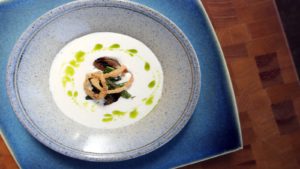
Creamy spring onion soup. Photo by Stefanie Haviv
There are a lot of recipes in this book. For a novice at home cook, there are recipes that are not intimidating, but they tend to be in the condiments, soup, salad, and dessert realm. The majority of the recipes are for readers that are comfortable in a kitchen and understand the method of reading a recipe and familiar with how to treat the required ingredients. There are a scattering of ingredients that an average reader would be unfamiliar with. You might need to rely on Google a few times. I love that Bruce gives his readers permission to mix and match his recipes, that once they feel comfortable that they should try and create their own versions from his book.
He also states clearly in the chapter How to Use This Book that the recipes are “chefy,” but he tried to approach them with clear steps. I agree, they are “chefy,” but I found some of the steps difficult to follow. Unlike separating each method of production with step 1, step 2, and so on, the directions are in paragraphs. In order to execute these recipes, you have to read the entire recipe first, make sure you fully understand the method before beginning. You could easily make an error by missing a step from the paragraph. It is more challenging and pushes the reader’s comfort level in the kitchen. But you need to know what you’re getting yourself into, or you’ll have a cookbook that just sits on your shelves, never used out of fear.
My favorite chapter is Pasta and Pizza. It has the most recipes and in my opinion is Bruce’s bread and butter in this cookbook. This is what readers will focus on and will earmark and make the pages dirty from floured fingerprints. I already have a list of which pastas I’m going to make the next month or so. After reading Bruce Moffett Cooks, all I want is more pasta recipes from Bruce and to hear more behind the scenes, the good and the ugly, of his journey as a chef establishing himself in Charlotte. —Justin Burke-Samson
Disclosure: The links above are affiliate links, which means Unpretentious Palate earns a commission on any sales of the items above. Since nearly everything is available on Amazon these days, this has no influence on deciding which items we feature.