


February 13, 2021
Chef Whitney Thomas on how a lack of diversity inspires her to work harder
In honor of Black History Month, we’re listening to Black industry professionals
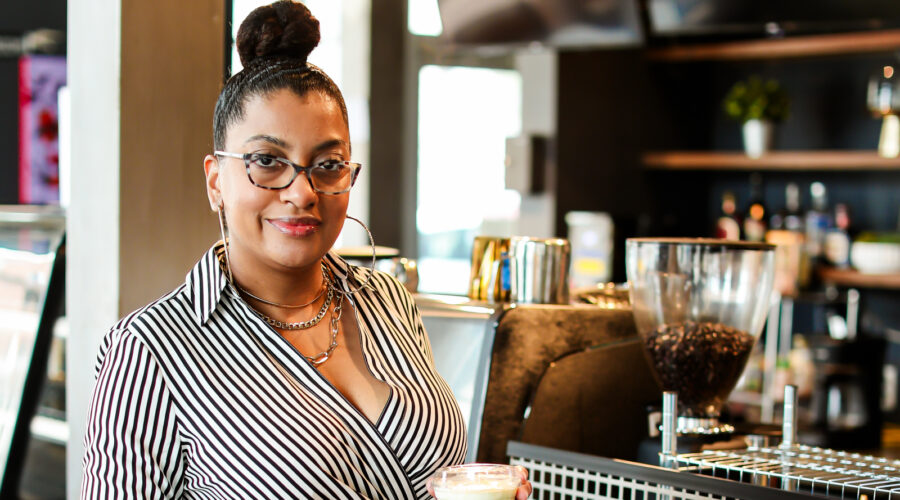
In honor of Black History Month, we’ll be interviewing a Black voice in Charlotte’s food and beverage industry each week in February. Today, we’re speaking with chef Whitney Thomas, chef de cuisine at Mico Restaurant in the Grand Bohemian Hotel in Uptown and former executive chef at 5Church.
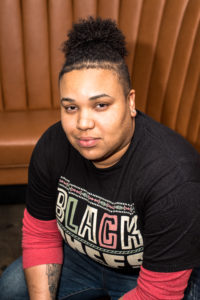
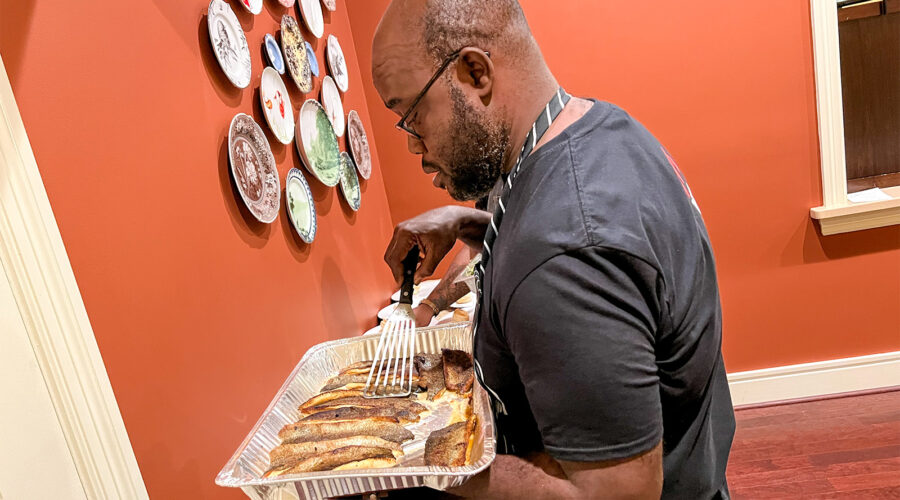
Chef Whitney Thomas of Mico in Uptown. Photo by Jonathan Cooper
Unpretentious Palate: When did you realize there weren’t many fine dining chefs that looked like you, and how did that change your path in the culinary industry?
Chef Whitney Thomas: I realized that almost immediately and honestly, even before I got in fine dining, when I was working in some corporate spots, coming up in casual dining. There aren’t a lot of Black people in management roles in general. It definitely made me want to be in that room, because I looked and thought, “Why not?” At first I was scared when I first got my first sous chef position back in Greensboro at Print Works Bistro. I had to work my way up there. I had to literally beg them for a chance. I saw there was a white guy who was a sous chef, who was above me. I felt like I could outwork him. I just began emulating him and what I could do better. And they took notice of me doing a better job than him. He had to step down and I assumed the role of sous chef there.
It definitely made me work harder to get in those positions because I feel like I deserved them. I’ve been in the industry for 13 years now and there’s not been much change, so it makes me want to work harder to see a change one day, and to provide inspiration for people coming up the ranks, whether they’re just starting out in culinary or they’ve been in the industry for a while and they have aspirations for making it to the top, but they don’t see many people like them at the top.
UP: What is one way that the restaurant industry can encourage diversity in kitchens?
WT: Honestly, by fostering growth and motivating us. I’ve been in positions where I’ve been told, “You’re not ready, you’re not ready.” Rather than telling me I’m not ready, tell me why I’m not ready. Show me how to get ready. It’s one thing to say “you’re not ready,” but how are you helping the next person get ready? How are you fostering growth for your company? If you can foster the growth from within, if you can promote from within, then you’re building your company and building morale because people see that it can be done. They become loyal to a company because they see that you actually are invested in them as a person, not just because they are working for you, but you’re invested in them and their future. You’re actually giving them a path to be better. Action plans and mentorship of promising culinary chefs, even giving them the ability to shoot for a goal of becoming a chef one day, that’s how you can do that.
UP: What are some ways that ensuring you have a diverse kitchen helps your restaurant be better?
WT: People’s upbringings and their environment have shaped how they handle situations, how they react, and the camaraderie in the kitchen. Right now [at Mico], we have a lot of women, we have a lot of Hispanic workers, we have some Black workers. You have some White workers. We have a very diverse kitchen and management team here. If it’s a situation where I’m not familiar, I can go to [other managers] Josh or Crystal and get their insight and vice versa. If they’re having issues, they can get my perspective. You have to be respectful of other people’s perspectives as well.
UP: What is one way your Black heritage shows through in your cooking?
WT: The way you were brought up influences your cooking style. We were brought up cooking in different ways. Braising is something in Black culture, from beans to greens and stuff. That comes through in my culture and in the way I cook because French cuisine is a lot of braises.
We’re doing South American food now, so Argentina has a lot of grilled food, so we’ve got a couple of guys that are Argentinean and Venezuelan and their heritage allows them to be able to offer suggestions and other things that we’re doing with food here. Even some of the other guys who aren’t from South America and Central America, it’s kind of all interwoven in the Hispanic culture. A guy from the Dominican Republic can relate to something they were cooking from Brazil, from Argentina. Backgrounds help you relate to food in different ways.
UP: What is one way that you personally are trying to make things better for future generations of chefs?
WT: Just by giving them a chance, honestly. A lot of people get sized up at the door and they don’t get the chance to be taken seriously in an interview. If I interview somebody, I really want to hear them out to get to see and hear the experiences.
The guys and girls that we have on now, if they have questions, they get answers. They want to know how to do something, we’ll teach them the things that we know, things that the things that I’m doing. I’ll come up with some off-the-wall type of specials sometimes, and they’re very inquisitive and want to know how to do that. I have a set of twin girls, two White girls, and they’re very green in the culinary industry. I hired them during pre-opening back last March. They only had Panera Bread experience, and the growth that I’ve seen in them from March to now, it’s kind of phenomenal. I didn’t think they were going to make it, honestly. I thought I was going to make them cry, I thought they were going to crumble. But they’ve risen to the challenge and they’ve learned two stations out of the four stations we have on the line. So it’s just about giving them a chance and correcting them when they’re wrong, but you have to also let them make the mistakes, too.
UP: How can diners can help encourage change?
WT: Honestly, dine in establishments where you see what you want to see. Be the change you want to see. Shop in establishments where you see that diversity, shop in establishments where you see a black chef or you see a black line staff. That’s it — your dollars, especially now with the pandemic and how tight money is, your dollars speak more than people really understand. So if you shop in those businesses, then your dollars are going to be heard, your voice is going to be heard, and people are going to understand that you want to see a change, you want to see more people of color in different positions.
UP: Who is one under the radar black chef in Charlotte people should know?
WT: There are so many so many that are under the radar that don’t get the recognition. I’d say Oscar Johnson [of Uptown Yolk and Jimmy Pearls.] Oscar does it all. His story is like mine, he’s been in a lot of establishments, and he still hasn’t made it to the top yet. And that’s why he’s kind of creating his own lane with Jimmy Peals on the side. He’s still working with Greg [Collier] and Greg’s fostering his growth. And you can see how Greg has affected Oscar and the growth that he’s had. But Oscar has been at the Kimpton, he’s been in other establishments. But nobody has ever given him the ability to to rise other than Greg. He’s definitely one that’s under the radar and he deserves to be at the top somewhere, but he’s not given the opportunity.