


October 5, 2026
THC drinks face December crackdown
Federal restrictions and proposed state legislation could reshape North Carolina’s beverage market
by TM Petaccia
For North Carolina restaurants, bars, and provisioners selling hemp-derived THC drinks, a small number could bring a big change: 0.4 milligrams.
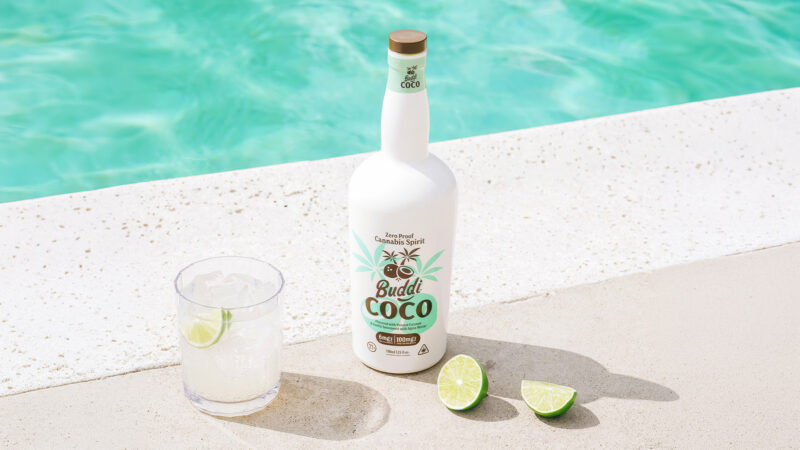
That is the maximum combined amount of THC and certain related intoxicating compounds a finished hemp product could contain per container under a federal law scheduled to take effect Dec. 11, 2026. The limit applies to the container, not each serving. Currently, bottles and cans contain somewhere between five and ten milligrams of THC which is 1,200-2,500% higher than the upcoming regulations. For consumers, that could mean favorite drinks disappearing or returning with substantially different formulas.
The federal change narrows the definition that separates hemp from marijuana under federal controlled-substance law. Beverages exceeding the new limit would lose the hemp exception. The issue traces back to the 2018 Farm Bill, which removed hemp from federal marijuana restrictions by defining it as cannabis containing no more than 0.3% delta-9 THC by dry weight. That percentage-based definition left room for products containing enough THC to produce a high while still qualifying as hemp, a gap commonly called the “hemp loophole.” Qualifying as hemp did not mean a drink met every federal food and drug requirement.
The new law adds a much tighter limit for finished products: no more than 0.4 milligrams of combined THC and certain related intoxicating compounds in an entire container. A can containing five milligrams of THC would exceed that limit regardless of its size or how many servings appear on its label, losing the hemp exception under federal controlled-substance law. The law also excludes cannabinoids synthesized or manufactured outside the cannabis plant, adding another consideration beyond the number of milligrams printed on a can.
Even before the regulations take effect, Charlotte businesses are taking preventative action.
1957 Hospitality, whose restaurants include Rosemont, The Crunkleton and Puerta, is in the process of removing THC beverages from its offerings. Ryan Hart, the company’s director of concept development, said its insurer notified the company that its liquor liability coverage no longer covers THC products. Continuing to serve them would require purchasing a separate policy, adding an insurance expense for a category facing impending federal restrictions.
“We have a commitment to our teams and investors to be compliant with all laws and regulations and to not put their livelihoods at risk, so the choice was simple,” he says. “This is regrettable as we have seen low-dose THC cocktails and seltzers to be a great alternative for our guests who do not wish to imbibe alcohol.”
The key federal deadline is Dec. 11, 2026. A short-term government funding law signed Sept. 2 postponed most of the new restrictions from Nov. 12. Products containing cannabinoids the cannabis plant cannot naturally produce remain subject to the original November deadline.
For businesses selling intoxicating hemp drinks, that amounts to a much larger change than adjusting a label.

Melissa Bruno Johnston, vice president of strategic development at Tryon Distributing, said the company is planning around the December deadline while advocating for legislation that would preserve a regulated market. Tryon began as a beer and wine wholesaler and would continue that business if it must stop selling hemp beverages. But Johnston said losing the category would leave what she described as a “$5 million hole in our budget.” The company has been broadening its portfolio with functional beverages, energy drinks, and other nonalcoholic options. Johnston worries more about businesses whose survival depends heavily on hemp sales, including breweries seeking revenue beyond beer.
“I can tell you that we have a lot of customers, wine shops, that their best seller is a hemp beverage,” she said.
North Carolina businesses also face a separate proposal in Raleigh. House Bill 328’s latest negotiated version mirrors the federal 0.4-milligram THC limit per container on finished hemp products intended to be consumed or inhaled. It would also exclude synthetic or chemically converted cannabinoids and prohibit selling hemp consumables to people under 21.
The 0.4mg provision was not included the original bill as we previously reported; however the N.C. Senate adopted the negotiated version 37–6 on July 2. The House has not yet approved it. The latest action listed in the official bill record is a July 30 referral to House Rules.
That distinction is central to Johnston’s advocacy of defined, yet reasonable regulation. A federal compromise would not necessarily resolve the state restrictions if North Carolina enacts its own law. Johnston spearheaded “Regulate, Don’t Ruin,” a campaign bringing together hemp businesses and customers to ask lawmakers for age limits and other safeguards while preserving access for adults. “We want regulation just as much as the legislators do,” she says. “But we think there’s a much better way to go about it than just saying, ‘Oh, we’re just going to ban everything’.”
The campaign grew partly from conversations with customers who had no idea the products they were buying faced restrictions, Johnston said. Materials placed near retail displays direct customers to a petition and help connect them with state and federal legislators. So far, the petition had collected just under 5,000 signatures. Advocates also gathered customer testimonials to take into lawmakers’ offices, met with representatives, and delivered petition signatures along with personal accounts from constituents. She emphasized the customer testimonials were particularly useful showing accounts from people living in the individual legislator’s district.
“I think all of our representatives were shocked,” Johnston says. “I don’t think they realized kind of the sleeping giant that they just woke up, but they found out.”
She says advocates have continued meeting with state and federal representatives, emphasizing that they support age restrictions and consumer protections proposed in HB 328. Their position is that lawmakers can address those concerns without eliminating a category that now reaches breweries, wine shops, restaurants and bars.
Her own conversations with customers helped inspire the campaign. At wine shows where Tryon was pouring hemp beverages, Johnston said, she repeatedly heard from older adults and women who had incorporated the drinks into their lives — customers she believes are often overlooked in the political discussion. “A lot of people immediately think of the stoner from high school with the shaggy hair,” she said. “It is elderly people and perimenopausal and menopausal women. Those are the folks who are driving this category.”
The legislative fight has also divided the broader alcohol industry.
Five major alcohol producer groups, including the Beer Institute, Distilled Spirits Council and Wine Institute, jointly urged Congress to address intoxicating hemp shortly before the original federal restrictions passed in November 2025. Their appeal emphasized unregulated products and consumer protection. Wine & Spirits Wholesalers of America took the opposite position on the provision, urging senators to remove it and warning that it would undermine investments distributors had made in hemp products.
Those competing positions reveal different business interests. Some alcohol producers supported restrictions on an emerging competitor; distributors such as Tryon see the same products as part of their future. The lobbying is documented, but the public record does not establish that protecting alcohol sales was the decisive reason lawmakers acted.
For now, Johnston is hoping for a legislative solution while preparing for the possibility that none arrives. Congress can still change the federal restrictions, but another extension or replacement framework is not guaranteed.
Johnston doubts that removing hemp drinks would simply send their customers back to previous preferences. “I would really hate to lose this because there is an impressive demand for it, and that demand has grown over the years. But at the end of the day, we may need to stop selling it, and bring in more functional beverages, energy drinks, and other non-alcoholic options to make our portfolio more broad.
“If you take this away, people aren’t just going to go back to drinking alcohol like they once did.”