

September 24, 2026
Sam Diminich continues to be a voice for hospitality mental health
Michelin chef discusses the struggles and provides resources
by Michelle Boudin
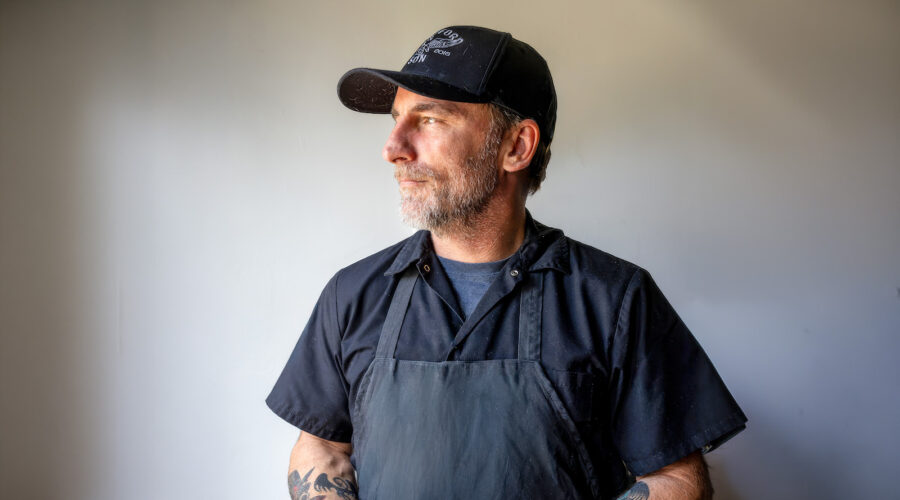
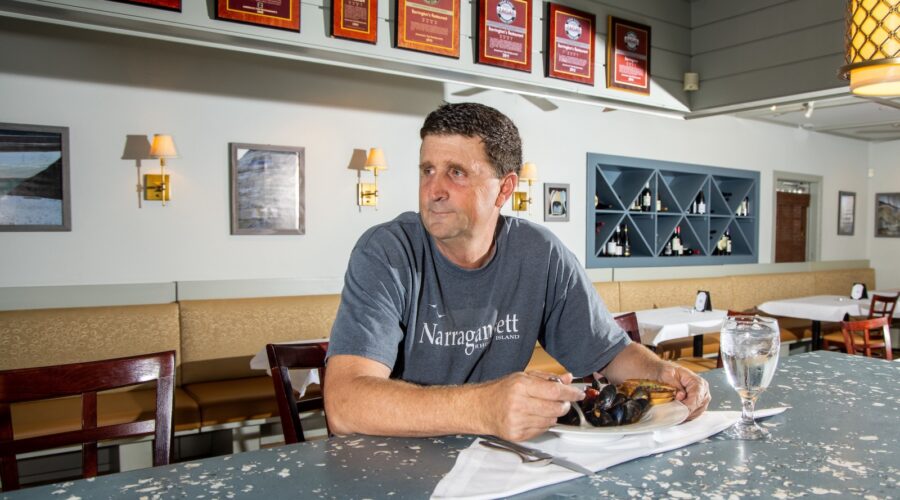
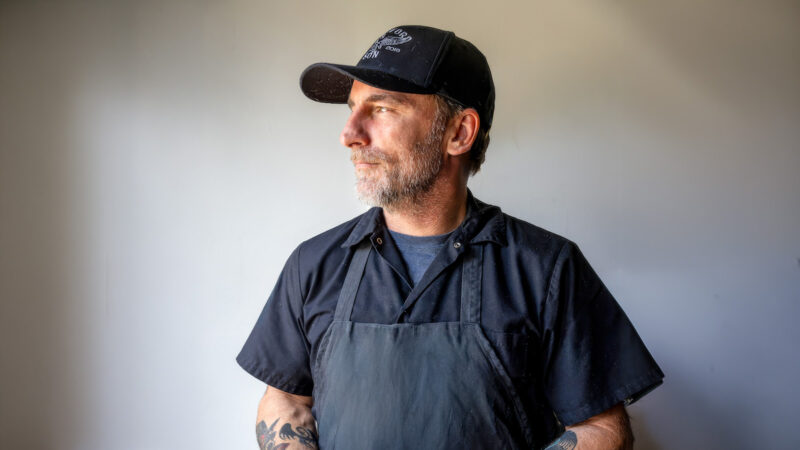
Sam Diminich was twelve years old the first time he stepped into a restaurant kitchen. It was his grandfather’s Italian spot in Myrtle Beach, S.C. That same family restaurant is also where he learned to drink.
“The same restaurants I grew up in, where I learned how to cook, and I was falling in love with hospitality are the same restaurants where I learned how to drink and use drugs,” Diminich, chef/owner of Your Farms Your Table Group, says. “Food and beverage was an easy place to hide out for an alcoholic or an addict. It still is.”
By the time he got sober in the fall of 2014, Diminich had spent a year and a half homeless, moving in and out of roughly a dozen different treatment centers. He remembers being told he wouldn’t be able to stay sober and work in restaurants, that the industry was too toxic. “You’re literally tripping, falling; land on a Michelob Light every night,” he says.
He’s spent every day since 2014 proving the naysayers wrong.
That’s why September, National Recovery Month and Suicide Prevention Awareness Month, means so much to him. “The numbers don’t lie,” he says. “It’s 30 to 40 percent, if not higher, of people who occupy food and beverage and hospitality spaces who either suffer from some form of mental health challenge, alcoholism, or addiction.” He blames the industry culture itself: late nights, high turnover, intense pressure. “You’re just a number to people. You’re not a human.”
Diminich is trying to change that math, one meal and one meeting at a time. His restaurant group now prepares roughly 350 meals a day, seven days a week, for HopeWay and McLeod Centers for Wellbeing, two Charlotte mental health treatment centers. He runs a café inside HopeWay’s campus, staffed by his own team, where the same hospitality standards used in his award-winning dining rooms — eye contact, warmth, genuine care — are applied to people in active treatment. “I was in about a dozen treatment centers before I could finally find sobriety,” he says. “I was served a meal in several places where I could look down and know that I wasn’t alone. That was integral to the healing process.”
That work has come full circle a number of times. One Monday morning at a Ben’s Friends meeting, the peer support group hosted weekly at his restaurant, Restaurant Constance, Diminich looked over and saw a new, unfamiliar face among the regulars: a young woman who seemed nervous to be there. He welcomed her and asked where he knew her from. “We met at HopeWay,” she told him. “You cooked for me.” She’d gone through treatment there, in the same café his team runs, and was now, on her own, in the industry and walking into a recovery meeting. “It brought a tear to my eye,” he says. “It’s just a reminder that no matter how hard it gets — and being in the restaurant business is really hard right now — what we’re doing is important.”
He tells a similar story about someone on his own staff. A woman in treatment in California messaged him on Facebook out of nowhere: she’d been following his story and wanted to come work for him when she got out. He didn’t think much of it at the time. Months later, an application landed with his name listed as her reference. He remembered her, and she went through the same rigorous hiring process as everyone else, starting as a server assistant. Today, she’s the personal assistant to his company’s CEO, and recently led a private event on her own. “Everybody gets the same fair shot,” Diminich says. “When we have success stories like that, it makes it extra sweet.”
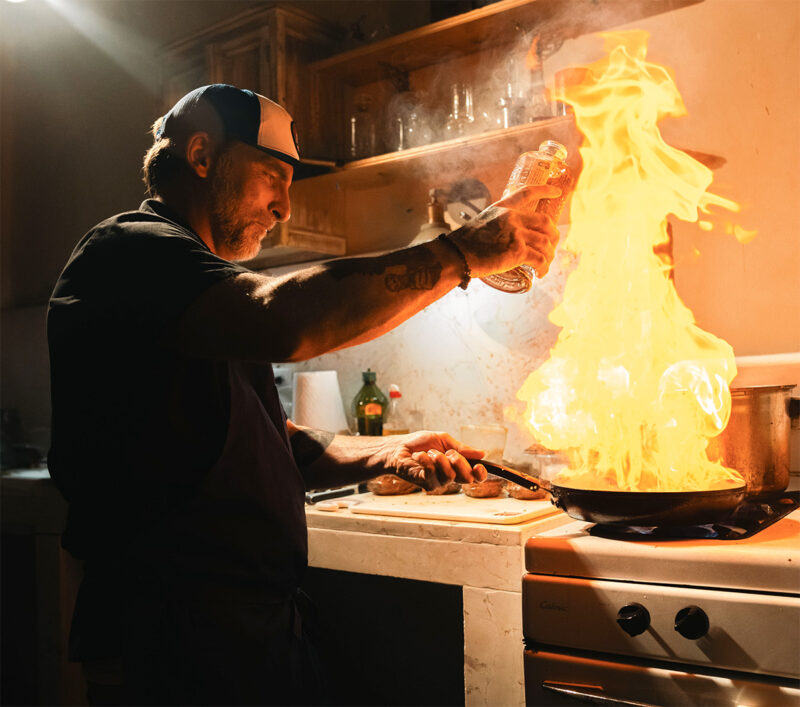
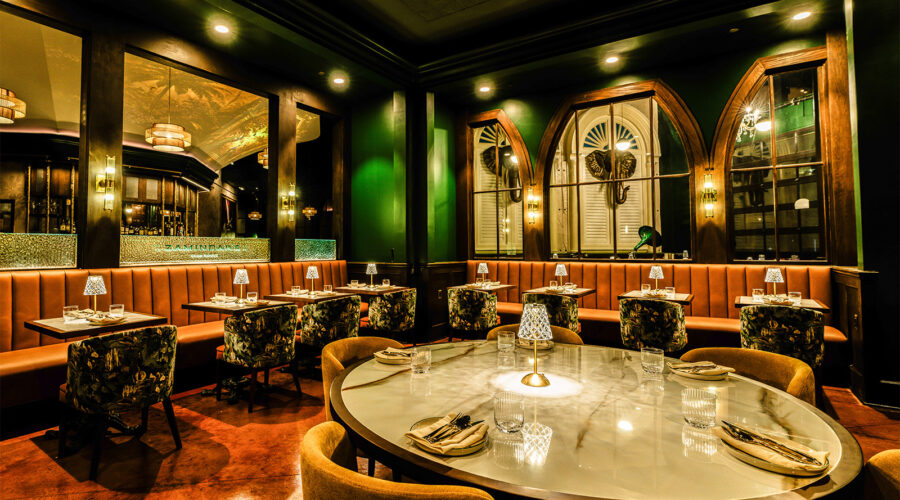
Every Monday morning the dining room at Restaurant Constance, the same room recognized by Michelin, turns into a meeting of Ben’s Friends, a peer support group for people in the restaurant and hospitality industry working toward or maintaining recovery. Diminich discovered the organization on Facebook in 2018 and brought a chapter to Charlotte.
Ben’s Friends was founded in 2016 by restaurant veterans Mickey Bakst and Steve Palmer after the death of a young cook named Ben Murray, who didn’t show up for a shift one day and was later found dead at the hotel where he’d been staying.
“We were just tired of how many people we were seeing who were destroying their lives or taking them,” says Bakst, the organization’s executive director. Unlike traditional 12-step programs, Ben’s Friends is built specifically around the realities of restaurant life — the late nights, holiday shifts, long hours — so that people in the industry can recognize themselves in the room. The group now meets in 24 cities nationwide, plus twice daily on Zoom, and it’s free, with no obligation to share. “Anybody who’s curious is welcome,” Bakst says. “That’s what we want. People to at least come and see.”
For restaurant owners and managers wanting to do more, Diminich’s advice is simple: raise the volume on the conversation, and make it normal to ask for help.
“As somebody who occupies space in a professional kitchen, the conversation has to be turned up, that you can do this,” he says. “If you’re struggling with drugs and alcohol, or depression, that we would frame is a mental health challenge, that you can get help. It’s okay to ask for help. And once you receive help, food and beverage is a safe place for you. And you can still do it on a high level.”
Another of the places Diminich partners with is Giving Kitchen, the Atlanta-founded nonprofit that offers free QPR (Question, Persuade, Refer) suicide prevention training, a crash course, similar to CPR, in recognizing warning signs and connecting a struggling coworker to help.
Diminich, who now employs several people in recovery on his own team, says his past has helped shape how he runs his restaurants. “Everything I’ve learned in recovery, I apply to my business,” he says. “It’s not two different lanes.”
Resources for restaurant workers and employers in Charlotte
Giving Kitchen
Free QPR suicide prevention training for restaurant teams
Ben’s Friends
Free peer support meetings for hospitality workers in recovery; Charlotte chapter meets Mondays at 11 a.m. at Your Farm Table
HopeWay
Mental health treatment center. HopeWay offers financial assistance to those who are in need and qualify.
McLeod Centers for Wellbeing
Substance use disorder treatment and recovery services. Grants are available to help with costs.