

November 30, 2018
Seven trends to watch in 2019, according to Kimpton
The hotel group surveyed industry professionals to learn what to expect next year

The Beet It, a vodka-based cocktail at Merchant & Trade, is made with Lenny Boy Beet Kombucha. Fermented ingredients are something you’ll likely see more of in 2019 on both drink and food menus. Photo courtesy.
For the past five years, Kimpton Hotels has surveyed their food and beverage staff to determine what trends will hit hospitality in the coming year. The responses come from executive chefs, general managers, sommeliers, and bartenders from Kimpton properties in the U.S., Europe, and Caribbean.
The resulting list gives some interesting insight into what may be big on menus in 2019. Among the 100-plus surveyed were Charlotte executive chef Robert Hoffman and lead bartender Henry Schmulling. Hoffman and Schmulling oversee both the Kimpton Uptown’s ground-floor restaurant, Angeline’s, and rooftop bar, Merchant + Trade.
Here are seven things that stood out to us.
We’ll see more plant-based foods
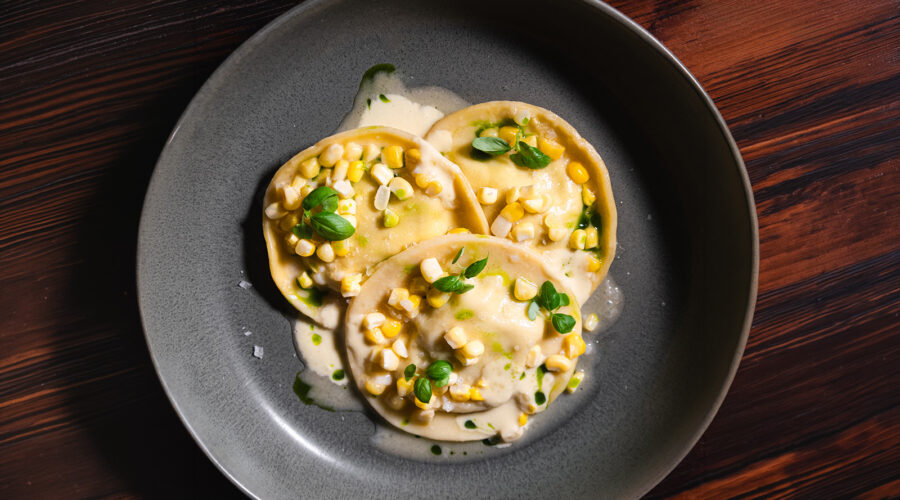
There are nights when I’m just not feeling meat, and apparently, I’m not the only one. More Americans are cutting meat out their diets, and it’s no longer the center of our dinner plates. Plant-based options will become even more popular next year, with 80 percent of chefs responding that they plan on featuring a vegan or raw dish on their menu. The increasing demand for vegetables is inspiring chefs to use more parts of vegetables, too.
…But when there’s meat, there will be more offal.
Just like chefs will use the whole vegetable, the push for whole-animal cooking will continue as well. Offal is a name encompassing edible parts of the animal that aren’t a prime cut, including the liver, heart, or sweetbreads. From pâtés to sausages, the Kimpton survey indicates we’ll see diners dabbling in more than just steaks next year.
Diners are digging new spices (and smoke)
We already love smoke here in the South, and that trend isn’t slowing down with the opening of several restaurants powered by wood-fired grills. In terms of seasoning, Israeli flavors, such as cumin and tahini, are gaining popularity, as are floral notes like lavender and rose. African spices are becoming more prevalent in dishes.
Fermented, probiotic, and other health-conscious ingredients are a plus
We want our food to work for us next year, and are looking to fermented beverages, probiotic-rich foods, and superfoods to help minimize the damage we do to our bodies. You’ll find these remedies in dishes and drinks alike next year.
We want our mocktails to be creative
A mixologist recently told me that they’re trying to move away from the term “mocktail,” which implies that a cocktail with no alcohol isn’t a real drink. “Zero-proof cocktail” is the preferred term, and drinkers want more of them so they can continue drinking socially for longer periods of time or more frequently, hangover-free.
… and our seltzers to have alcohol in them
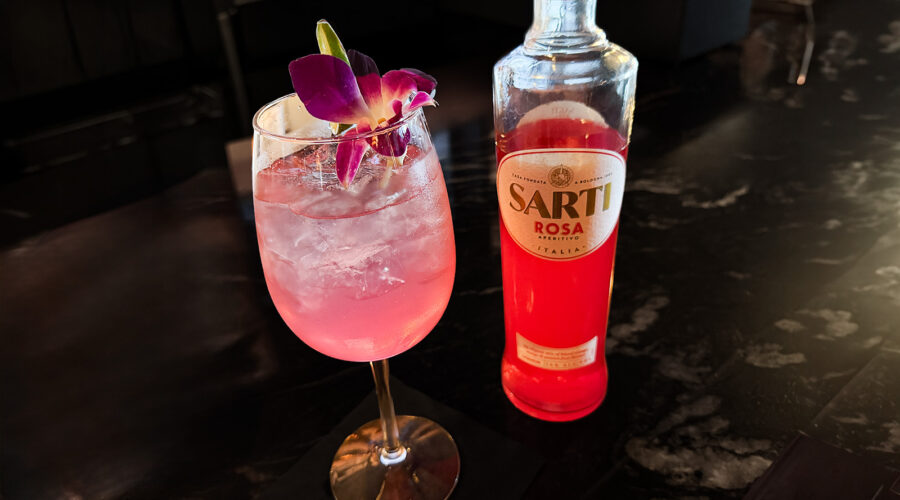
The sparkling water trend isn’t slowing down; we’re now seeking out alcoholic seltzers for a low-calorie booze option. Perhaps we’ll see NoDa Brewing’s new Brizo line on tap at a few bars?
We still care about local sourcing. Next year, we’ll also pay more attention to sustainability
The best chefs know good meals start with good ingredients, and to keep our farmers growing them, we need to keep the planet from burning up. Minimizing food waste, composting, and shopping hyperlocal will remain in the front of chefs’ minds in 2019, and restaurants and bars will work to adapt menus that reduce gas, heat, and water usage. —Kristen Wile