Hidden gem in Charlotte’s Oakhurst neighborhood where the menu is as creative as the food
Hidden gem in Charlotte’s Oakhurst neighborhood where the menu is as creative as the food


Outdoor dining remains in high demand
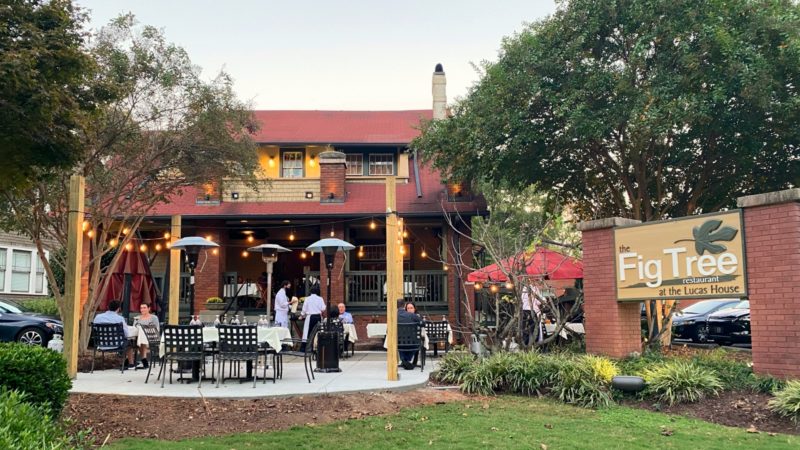
The Fig Tree will cover its lower patio with a pergola that matches the style of the historic house or can be easily removed. Kristen Wile/UP
When regulars arrived at The Fig Tree without a reservation recently, owners Greg and Sara Zanitsch didn’t have anywhere to seat them. Not wanting to turn away some of their most loyal customers, the staff quickly put together a space in the front yard of the historic home-turned-restaurant. The table was on the grass with no lighting, but the guests enjoyed the experience anyway. So the Zanitsches decided to make the space permanent, laying concrete at the foot of the building’s front porch to create a permanent lower patio. The space will add another 12 seats with social distancing, or 18 seats when tables can be placed closer than six feet apart.
The Elizabeth restaurant isn’t the only one looking to adapt to dining habits during a pandemic by creating heated outdoor spaces. Even with the events industry also in a near standstill, renting a tent large enough to cover a patio is a big, unexpected expense for restaurants struggling during the pandemic. At 300 East in Dilworth, owner and chef Ashley Boyd has been grappling with whether the expense would be worth it.
“The thing about tenting is it can be extremely expensive,” Boyd says. “And we don’t know how long we’re going to have to do this for, and we don’t know how many people are really going to want to sit outside if the weather’s that bad.”
While tenting is a solution for rain, for a restaurant like 300 East that’s popular for brunch and lunch, the tent would prevent sun from warming guests on nice days. It would also have to be open-sided to maintain the safety benefit of dining outside, which would make it harder to heat the area.
The Fig Tree, which is open only for dinner, plans to build a pergola with heating, as they don’t have the worry of needing sunshine during the day. Nearby at The Crunkleton, a permanent structure is in the works to replace the current tent, and will go up sometime this winter. That covering will have heaters hardwired in, and replace the small space heaters the restaurant is using now.
Before the pandemic, The Crunkleton had furniture on the patio, but the restaurant’s general manager, Hannah Smith, worked to reconfigure the patio with social distancing and dividers between tables. The Crunkleton experience, however, is hard to recreate outside, leading many diners to continue requesting indoor seating despite the pandemic.
“Because of the wall of spirits and watching the bartenders — and also our open kitchen — I still think that people prefer to be inside to kind of get the full Crunkleton experience,” Hart says. “But I think for people that are more hesitant, having a large amount of outdoor covered seating has been extremely beneficial to those guests as well.”
While all three of the restaurant owners have seen an increase in the number of guests looking to dine outside, there has been one positive: diners are stretching out dining hours.
“People have been much more flexible with eating times,” Boyd says. “They are wanting to come earlier or later than the standard meal time because they figure it will be less crowded.”
In the rush to heat outdoor spaces, however, restaurants are finding long waits and high prices for many heating units. The Fig Tree used Charlotte-based company Space-Ray, which is headquartered in South End, and only had a wait of 5 to 7 business days. According to Zanitsch, the hardwired heaters emit enough heat to enable the restaurant to use the dining space on the home’s front porch year-round. For those who are still wary to dine inside, Hart assures guests that they can feel safe.
“I’ve been working in food service for 20 years, and every winter my hands typically will split from how much I wash them,” he says. “With the cold weather, hopefully we’re going to see some people’s hands splitting from constant hand-washing. Personally, I hope there are trends towards better hygiene on the guest side, because I know that at most restaurants I’ve ever worked at, it’s beaten into you early on in your career to consistently wash your hands. Don’t touch your face. If you do touch your face, wash your hands again.”