


October 17, 2018
In season: Know your squashes and pumpkins
Learn what kinds are available from local farmers and how to use them
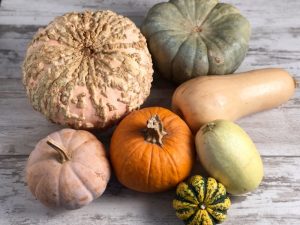
An array of squashes grown by local farmers. Clockwise from top left: Peanut pumpkin; jarrahdale pumpkin; butternut squash, spaghetti squash; pie pumpkin; and butterkin.
It’s squash season, that time of year where we take edible objects and use them for decoration. We get it, squash and pumpkins can be tough to cook if you don’t know what you’re doing. So we asked the team at Freshlist, a local organization connecting farmers and restaurants, what local farmers are picking right now and how to best use them. Have some in your centerpiece already? No worries — these hardy fruits will last through the Halloween season and maybe even to Thanksgiving.
Peanut pumpkin
This squash isn’t as pretty; it gets its name from the peanut-looking growths on its skin. The bumps are a result of excess sugars seeping out. Freshlist chef Matthew Martin, formerly of Fern, Flavors from the Garden, says he’s used it to make a purée for cocktails, since it has a bit more natural sweetness to it, but can be used in pies as well.
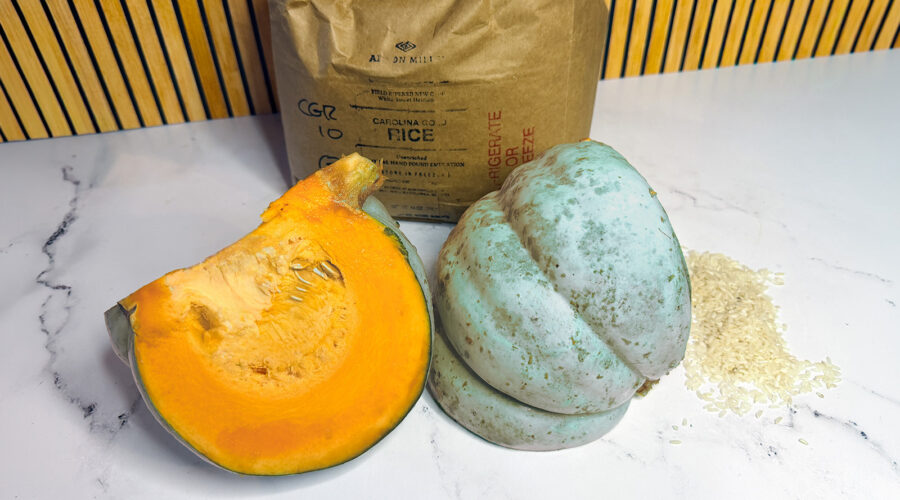
Jarrahdale
This green pumpkin is best for pies or any recipe calling for processed pumpkin. No need to bother with the canned junk. Cut one of these pumpkins in half vertically, scrape out the seeds, then roast it for an hour and 15 minutes or so. When it’s soft (as in a knife can pierce through it easily), scoop the insides into a blender. The processed pumpkin will be pie-ready.
Butternut
This one you’re likely familiar with. You can halve it and roast it, then make a butternut soup. You can also peel it, chop it, and roast it for a fall side dish.
Spaghetti squash
Another common one, spaghetti squash is cut in half lengthwise, then roasted. Its flesh becomes stringy (like spaghetti, hence the name) and is often used as a base instead of pasta for healthier eaters or special diets. Use a fork to pull out the flesh when it’s cool enough to touch.
Acorn squash
This cutie is all over fall displays, but it’s a tasty squash, too. Martin uses this one for a vegan shortrib, cutting it into wedges with the flesh on. He then roasts the wedges and glazes them, with the flesh acting as the bone holding it all together.
Pie pumpkin
A mini version of the classic carver, pie pumpkins are best for roasting and processing into purées, soups, or added into syrups.
Butterkin
A hybrid “butternut” and “pumpkin,” butterkins have an almost buttery texture. The flavor is that of a pumpkin with a bit more sweetness, and a much less stringy texture.
Ready to pick your pumpkin? Awesome! Cook them up using these recipes you can make at home — a pumpkin mocktail and pumpkin risotto. —Kristen Wile









The vegan short rib sounds delicious, can you get that recipe from the chef?