



June 11, 2020
How Covid-19 is changing the local food supply
Restaurants are the most visible, but they’re only one part of the local food ecosystem
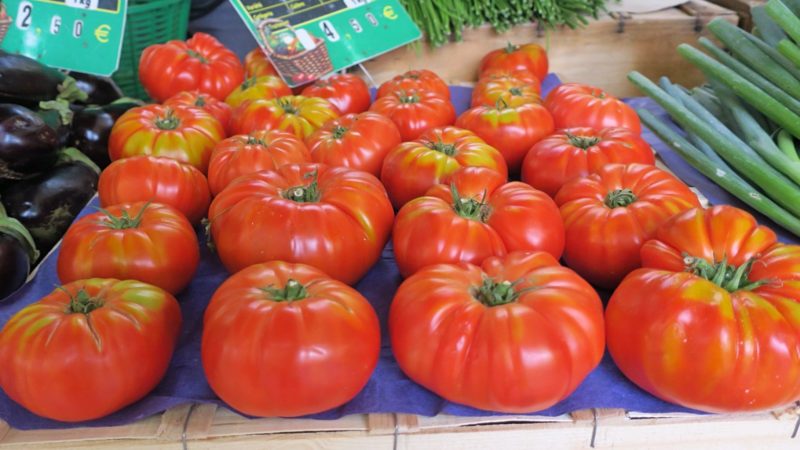
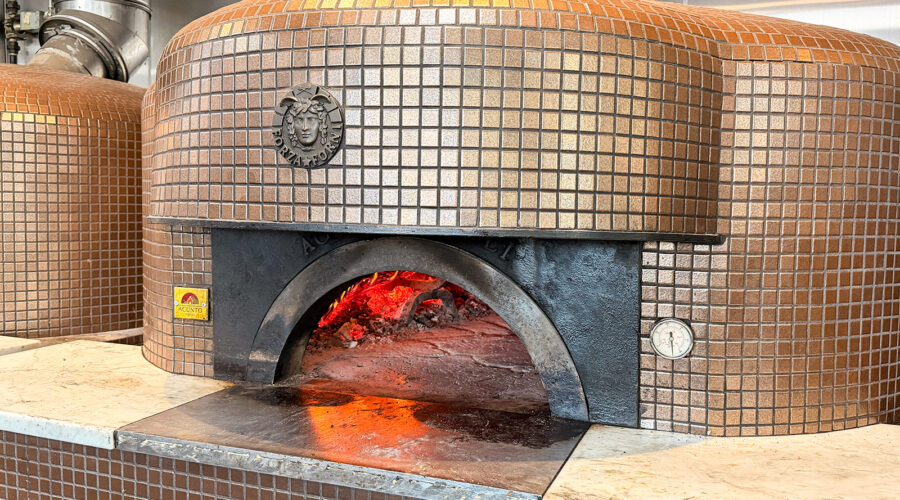
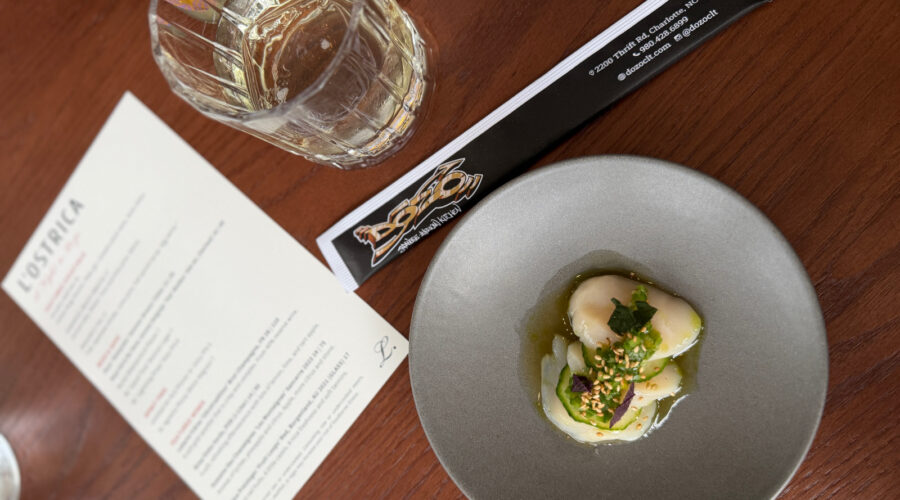
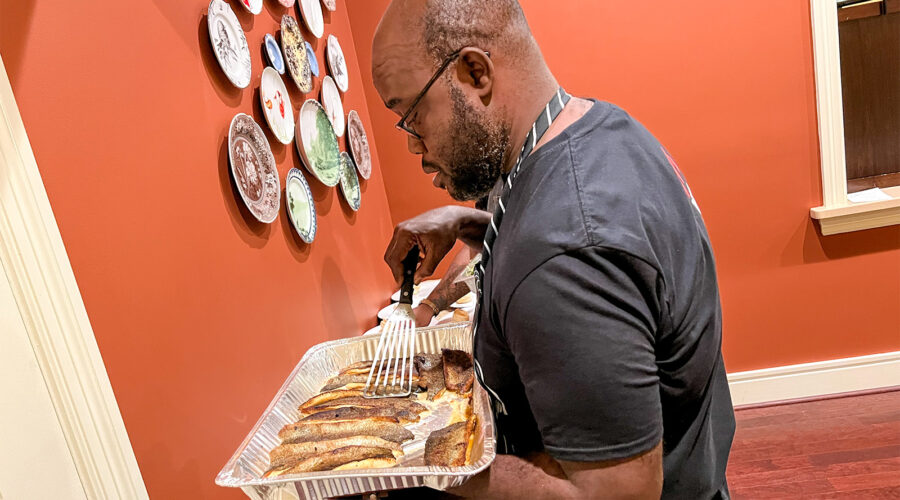
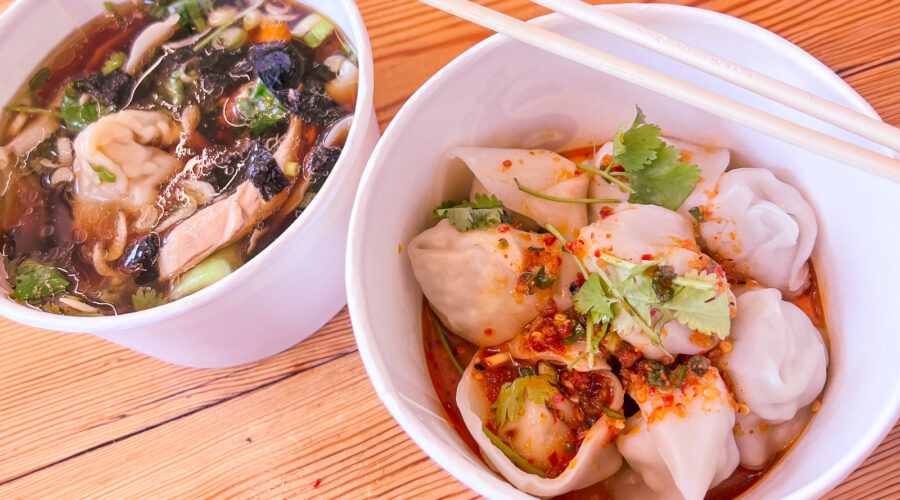
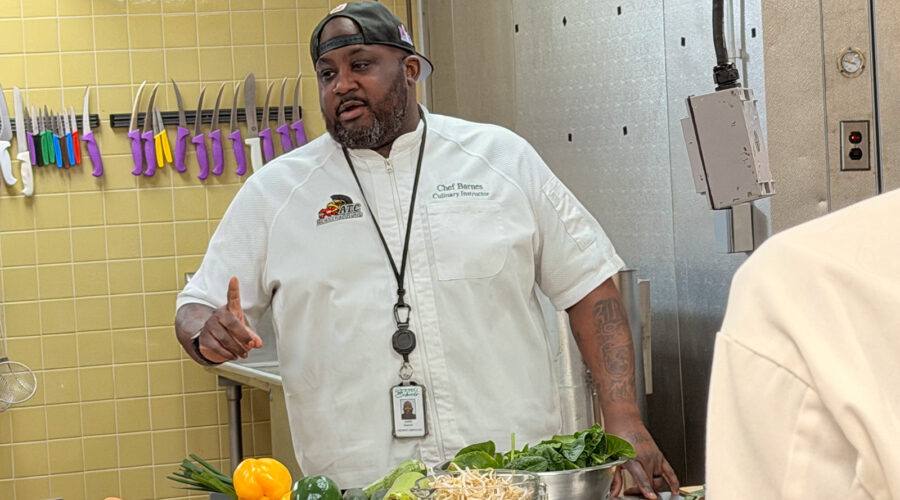
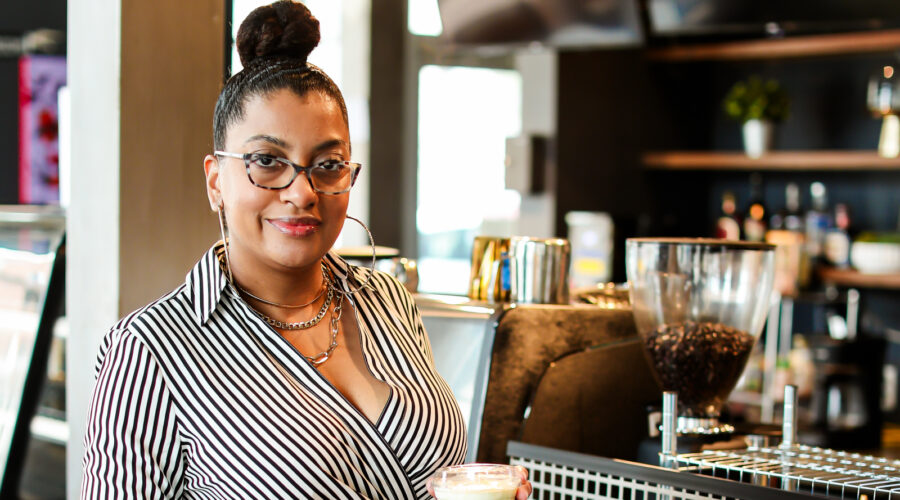
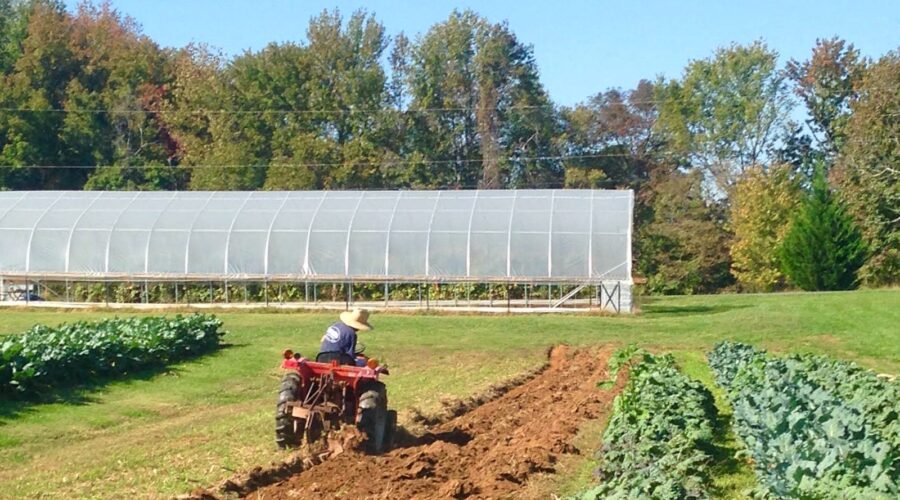
Restaurants are just one piece of the local food ecosystem in Charlotte; farmers, distributors, and diners all play a role. Kristen Wile/UP
Restaurants have been the most visible victims of the economic upheaval caused by Covid-19, as we’re learning more and more places will close for good. The ecosystem supporting them, however, goes beyond the people you see in kitchens and dining rooms. Farmers, processors, distributors, and consumers also play a role. The shutdowns had wide-spread implications on farm planning, product availability, and menu planning.
Farmers not only had to deal with the loss of revenue from restaurant sales, but many days of rain, which hampered their ability to plant. Some farms, like Tega Hills, which specializes in micro greens, and Urban Gourmet Farms, a mushroom farm, previously sold 60 to 80 percent of their products to restaurants. They had to move quickly to realign sales to retail markets so they could stay in business. Mindy Robinson of Tega Hills cut way back on micro green production, ramped up lettuce production, and decided to plant more home cook favorites, like carrots, radishes, cucumbers. She invested in an online ordering store, and expanded her farm stand presence. With so many people eating at home and supporting local growers, she and others have seen increased retail sales while maintaining some deliveries to restaurants making food for take out and delivery.
The distribution of food is essential for restaurant access to local products. Freshlist is a local distributor that buys wholesale from local farms, warehouses the products, then distributes it to local businesses. The company’s farm manager, Erin Bradley, has been working with her farmers to package products for retail sales rather than bulk sales. Freshlist set up a hybrid CSA for retail customers, allowing them to order online and pick up at various locations in the area. According to Bradley, many farmers opted not to plant many restaurant-specific products, like chicory and specialty greens. Instead, they planted products that have strong retail appeal. These changes have helped farmers and Freshlist to maintain a positive level of sales, although packing food for retail sales is more costly than for wholesale.
As restaurants reopen, chefs are focusing on fewer menu offerings, using fresh products in multiple items to cut down on inventory, making more casual and family-focused meals, and using a sharp pencil to keep costs under tight control.
For chefs and owners, being closed for more than two months has been painful financially and emotionally. Even very successful restaurant operators like Bruce Moffett and Chris Coleman have found it challenging to stay positive and inspired while losing half of their seating capacity.
“I am looking to the next four months as a guide on how to proceed with the ‘new normal,'” says Moffett, chef and owner of Barrington’s, Stagioni, Good Food on Montford, and N.C. Red. “We are going to expand outside seating wherever possible to salvage seating capacity and make guests feel comfortable.”
Chefs understand that many people have lost income, so making food affordable while still enjoyable, creative, and safe is their goal. Feeding people in their homes will remain a big piece of revenue.
“Take out and delivery will continue to be a major part of The Goodyear House business model, even as I am concerned by all the waste that take out generates,” Coleman says.
Chefs who have been leaders in the farm-to-fork movement are more committed than ever to keep purchases local in order to strengthen the availability of local food. They expect their menus to change weekly in order to use what is seasonally available.
Delays at meat processing facilities has impacted large and small farms. Sammy Koenigsberg of New Town Farms raises heritage hogs, turkeys, and chickens, as well as produce; his scheduled processing date for hogs is the end of July, after a four-month delay. Some of the processors are impacted by a labor shortage, others by reduced staff due to illness. Some facilities in the Carolinas have closed, leaving the remaining processors overwhelmed. It is a difficult business, with a lot of regulations.
The impact on restaurants is real: according to Stoke executive chef Tim Groody, meals at his restaurant will have to include more creative uses of protein combined with the textures, colors, and flavors of produce to maintain a realistic profit margin.
Brooks Mixon of Sun Raised Farms works with lamb farms throughout the state. He has also seen a delay at processors, but lamb processors are specialized in small animals and are not as backed up as hog and beef processors. He suggests that consumers should buy local, eat a bit less meat and purchase the highest quality product that fits their budget.
Overall, chefs, restaurant owners, and farmers are upbeat, creative, resilient, and adapting quickly. They are all in businesses that run on razor thin margins — any major disruption can take them down quickly. This pandemic has certainly been a huge disruption, with no sure end in sight. The silver lining for many of the farmers and chefs who value buying local is that consumers have become more aware of the importance of having local food available, the positive health impact of buying local, and the value of keeping the financial resources in our community, from seed to stomach.
“I really want to be part of the restaurant recovery,” says Koenigsberg. “We are already business kinsman in doing hard work with little margin, but we are also Big Love businesses, so I am hopeful.”—Anita Skogland








Thanks for this article!