



May 6, 2024
How Charlotte’s wine tastes are shifting
What people are drinking in Charlotte today, and how that’s changed
by Jacqueline Pennington
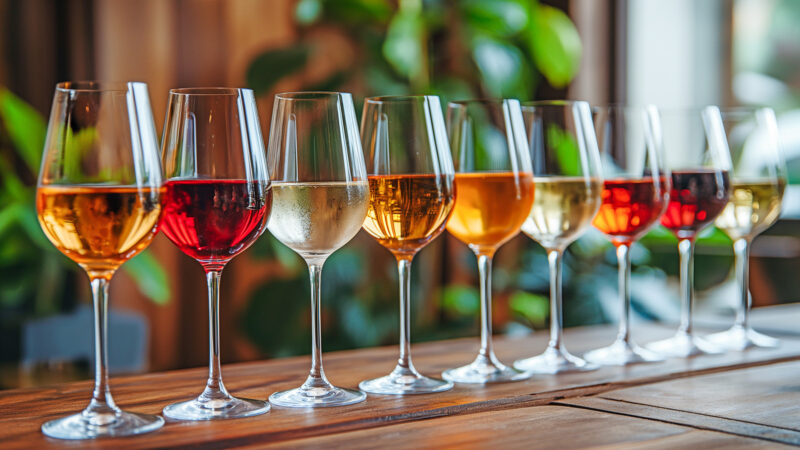
Restaurants and wine bars with impressive and unique wine selections were few in our city 10 years ago. They were also mostly reserved for the wealthier corners of Charlotte. Since then, the wine scene has slowly and steadily expanded. Charlotte is still a city dominated by breweries, but consumers are increasingly seeking wine menus that don’t reflect the aisles of the grocery store wine section.
How far have our tastes changed, and what is Charlotte drinking? How will it change in the future?
We asked a few industry experts to share what they’ve seen and what Charlotte’s wine future looks like:
- Greg Zanitsch of The Fig Tree, who has been serving top tier wines at his restaurant since 2005.
- Josh Villapando, who opened Assorted Table Wine & Shop in 7th Street Market in 2012.
- Quinn Kielbasa, who used to run the beverage program at Kindred and now curates the wine selection at Mere’s.
Here’s what they had to say.
What we used to drink
To start, they all had a very common theme for what our city historically has been drinking. Charlotte was a California cabernet sauvignon and chardonnay city. New world, oaky wines have soothed our palates for the last five to ten years. Fast forward to present day and we are seeing consumers become fatigued with these options while these wines simultaneously go up in price. Producing wine in California has become increasingly expensive and the effect of climate change has influenced how much of these grapes are grown and the cost associated with production. This has pushed Charlotte’s wine drinkers in a new direction.
What we’re drinking now
“We’re getting a little bit lighter, more esoteric, and more international,” Kielbasa says. Zanitsch, Villapando, and Kielbasa all quickly mentioned Sancerre as a wine they have seen become increasingly popular. Sancerre is a region in the Loire Valley that produces sauvignon blanc. Both Villapando and Kielbasa mentioned Loire Valley wines in general becoming a more common choice for Charlotte. “The Loire Valley’s really starting to get its due,” Kielbasa says.
Zanitsch also mentioned that New Zealand sauvignon blanc has grown in popularity. Sauvignon blanc is a grape that is much more aromatic and refreshing than chardonnay when made in the typical oaked California style reflecting a significant shift in Charlotte’s white grape of choice.
Overall, all three wine pros have seen more people ordering or purchasing old world wines. According to Zanitsch, ten years ago people were ordering 80 percent new world wines; now, we are on the way to 50 percent new world and 50 percent old world. “Charlotte is experimenting a little bit more and being more open to traditional Western European offerings,” Villapando says.
There is also a continuing shift from United States cabernet sauvignon to pinot noir — specifically, Oregon and Sonoma pinot noirs. Sparkling wine was also called out as a popular choice for Charlotte wine drinkers. “I can’t keep it on the shelf,” says Villapando, who has seen bottles like prosecco and dry lambrusco grow in popularity.
“I think people are willing to spend a little bit more for nicer wines,” Zanitsch says. “They also try things outside the box a little more than they used to. Rather than just going to the big names like Silver Oak and Cakebread, they’re willing to take chances and try smaller boutique wines.”
What we’ll drink next
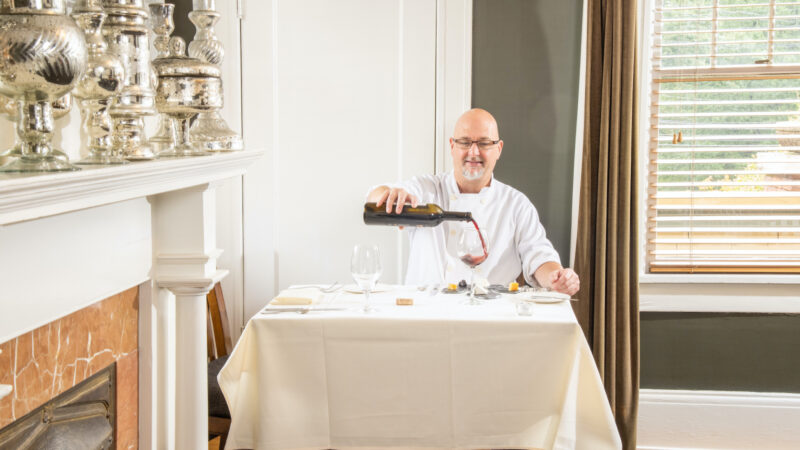
When looking towards the future, all three touched on the unavoidable effects of climate change. The grapes that certain regions have been able to grow are shifting. “A lot of Napa growers are growing southern Italian varietals, like sangiovese, for instance, which grows a little bit better in a warmer climate,” Kielbasa noted. Additionally, the economics of producing wine in some of these regions with new climate related challenges is pushing prices up. Tragedies like the wildfires in California and Australia are having detrimental effects on the wines that we know and love. We, as consumers, will have no choice but to pivot as the landscape changes.
Consumers are also considering sustainability when purchasing wines, something Villapando is seeing at his shop. Sustainable practices, packaging, and smaller producers in general are becoming more desirable and we’re seeing that reflected in our city.
Unexpectedly, Mexico, Virginia, and even North Carolina’s Yadkin Valley were mentioned as up-and-coming wine regions to watch. It’s exciting to think of what can come from these newer wine regions as they develop. According to Zanitsch, chardonnay from Oregon wasn’t much to talk about when he tried them back in 2005.
“Now I think their chardonnays taste more like Burgundy than Burgundy does,” he says. North Carolina has the opportunity to follow a similar trajectory as it matures as a wine growing state and refines its wine producing capabilities.
Villapando notes the newer generations are looking to experiment — something that’s reflective of what’s to come for Charlotte. And those younger generations have great resources to guide them: the wine professionals in this city at places like The Fig Tree, Assorted Table Wine & Shop, Mere’s, and so many other wonderful wine-focused establishments.









LOVE this story. Great to hear what people are seeing. I also believe North Carolina wines have a terrific window to find a larger following. I talked to a wine pro in DC a month ago, and she said that her customers are choosing wines that have more sustainable bottling–the weight of the bottle makes a difference in the carbon footprint of freight and shipping. Some winemakers are using lighter bottles and still maintaining quality without breakage. Not sure that trend is being widely seen in Charlotte, yet, but I bet some savvy consumers are thinking about these things.