


May 12, 2022
Haymaker gets approval for canning, pickling
The restaurant will be able to serve warm-weather flavors year-round
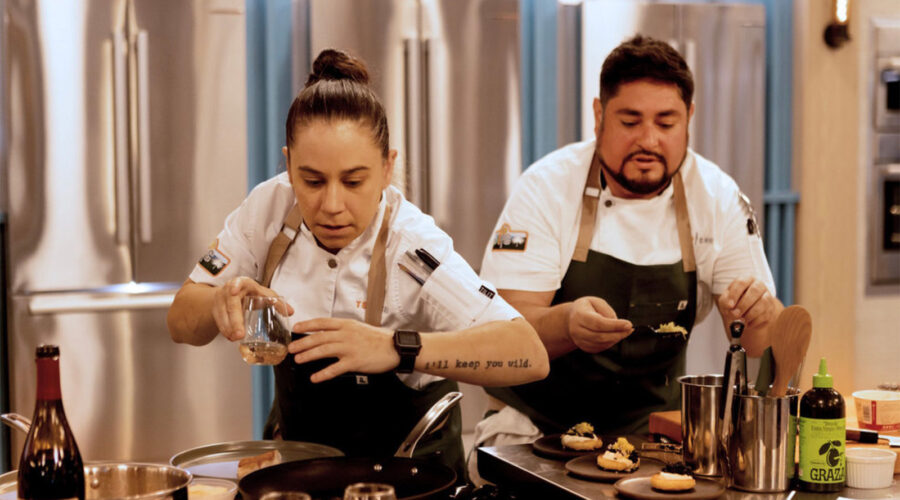
After 12 years, William Dissen of Haymaker has received approval from the state to begin preserving produce at the restaurant. Dissen’s Hazard Analysis and Critical Control Points, or HACCP, plan got the green light from the state. The approval means Haymaker can now pickle, ferment, sous vide, and can products legally. While many restaurants use these practices in their kitchens currently, most instances actually require state approval — and a lengthy application process — that few have. Dissen used some of the pandemic downtime to finally nail down their plan, which has been approved and disapproved over the years, he says.
“For me, it’s such a win because those are all techniques that I can use for flavor — but it’s also also preservation techniques that can help me create consistency in the midst of a market where labor can be challenging,” he says.
The purpose of a HACCP plan is to ensure the food’s safety, eliminating possible contamination or temperature variables that could cause food-borne illnesses.
“Pickling and fermenting and canning are techniques that people have been doing since the beginning of time — maybe not canning, but the pickling and fermenting,” Dissen says. “We’re in the business of hospitality, but we’re also in the business of food safety and we want to make sure that we’re operating a super clean kitchen, being as hygienic as possible, but also having standardized practices in place that allow us to put food out as safely as possible.”
Haymaker’s menu is centered around local produce, as well as Dissen’s Appalachian heritage. The HACCP approval will allow him to expand the seasonality of ingredients, but wasn’t an easy thing to achieve. Dissen says North Carolina’s process is volunteer-based, meaning the folks who need to understand and approve his methods of production have day jobs elsewhere. There are also few applications due to how busy restaurant owners are now, so when complex ones do come in, it takes longer for the state to issue a decision. Over the past decade, Dissen’s plans have been approved and unapproved before getting the final green light this year.
To Dissen, the HACCP plan’s approval not only introduces a new way to ensure there’s consistency in the kitchen, but allows the restaurant to continue to draw on Dissen’s culinary heritage.
“These are things that my grandparents did, and they did it not because it was the Brooklyn hipster, DIY trend of the moment,” Dissen says. “They did it because that’s how you sustain your family and feed them delicious and healthy food over the winter months. You pop open a can of sunshine, so to speak, in the winter, and you taste the bounty of the summer. So for me it’s flavor and in my heritage, but it’s also a way to preserve and to make delicious food in the months where our farms aren’t providing.”
Next, Dissen is working on getting approval to serve charcuterie from the USDA.