

November 2, 2023
At Camp North End, Dia de los Muertos celebrates life
As Charlotte’s Hispanic population grows, so does this annual festival
By Jared Misner
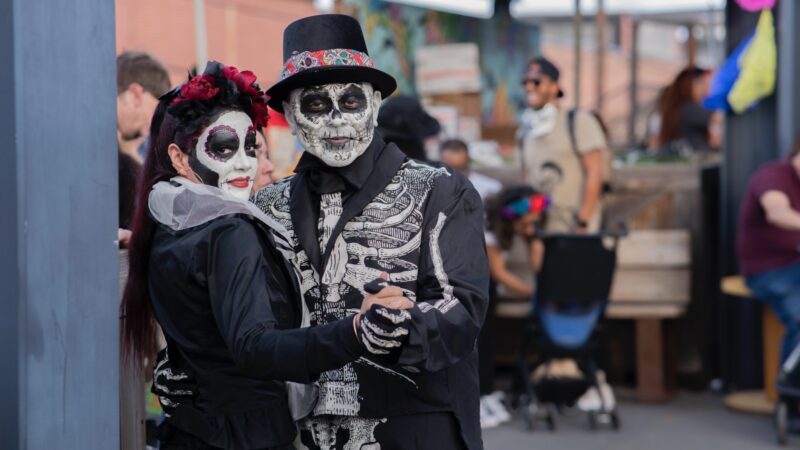
The annual Dia de Muertos festival celebration takes place Nov. 4 at Camp North End. Photo by The Moka House
Like many children, Soyrada Diaz Leon loved going on picnics with her family. But for her, these childhood trips weren’t at a park; they were at a cemetery.
Diaz Leon made the graveyard jaunts in Michocan, Mexico, with her family each year to celebrate Dia de los Muertos, Day of the Dead. The holiday, which largely began in Mexico and is still widely celebrated there and among many Hispanic cultures, is a time to celebrate the dead and life itself, Diaz Leon says.
“It’s not a sad day or scary day; it’s a day of celebration. You only live once, you only have one life, and you have to take advantage of that,” says Diaz Leon, who works as the Latin American Coalition’s partnerships and membership program manager.
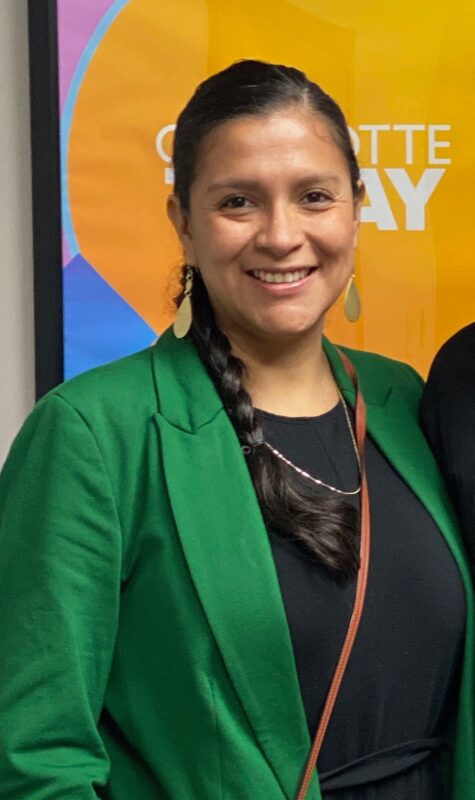
Soyrada Diaz Leon of the Latin American Coalition. Photo courtesy
Every November as a young girl in Mexico, when her family gathered by the gravesites of loved ones who had died, Diaz Leon’s grandmother would tell stories of people Diaz Leon had never met. Through these stories – the one about her great-grandfather going to sell guitars in Mexico City and never returning, of her great-grandmother taking her grandmother and her great uncle on a five-hour trip on the back of a donkey to the nearest doctor’s office – she connects generations together.
“That’s the beauty of it; it’s transmitted through generations,” she says. “That’s how you keep the memory of these people alive.”
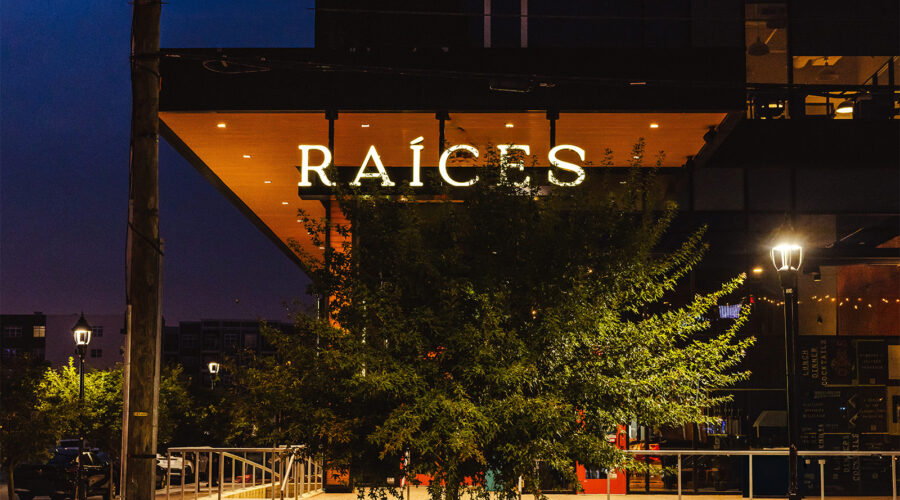
As Charlotte’s Hispanic population continues to grow, so, too, does its Dia de los Muertos celebrations. Beginning as a small community gathering in 2004 at the Levine Museum of the New South, the festival now draws about 5,000 people. This year’s free celebration will be on Nov. 4 at Camp North End from noon until 8 p.m.
For a festival celebrating the dead, it might come as a surprise to Americans less familiar with the holiday that the event will be so…lively.
The festival will feature traditional dancing; face-painting; a bilingual screening of the Disney movie that centers around Dia de los Muertos, Coco; live mariachi music; traditional Mexican food like pan de muertos, a traditional sweet bread, pozole, a hominy stew, and tamales and tacos; and ofrendas, or altars, to the dead.
Diaz Leon said the celebration this year will include about two dozen altars, an increase from the 15 displayed last year, and will include tributes to deceased loved ones from Bolivia and as far away as Asia.
Decorating an altar with fruit and some of that loved one’s favorite foods when he or she was living is one of the most popular ways to celebrate Dia de los Muertos. Diaz Leon creates one each year at own home, helping to ensure her American-born son retains the cultural traditions so important to her and to ensure – just like Diaz Leon did on her graveyard visits with her family – connections with ancestors he never knew.
“Even though my son has never been in Mexico for this celebration, I try to pass it on to him,” she says. “I tell him about my grandma and the people I’m remembering.”
Continuing to celebrate Dia de los Muertos in America, where the holiday is less known, is crucial to Diaz Leon.
“Having the celebration here, it’s helping our generations of new immigrants, it’s helping us share those traditions here,” she says.
While the holiday commemorates the dead, Diaz Leon says it’s also about the living.
“We can die anytime. Everyone’s going to die. We’re alive now and we gotta really celebrate that.”